Introduction
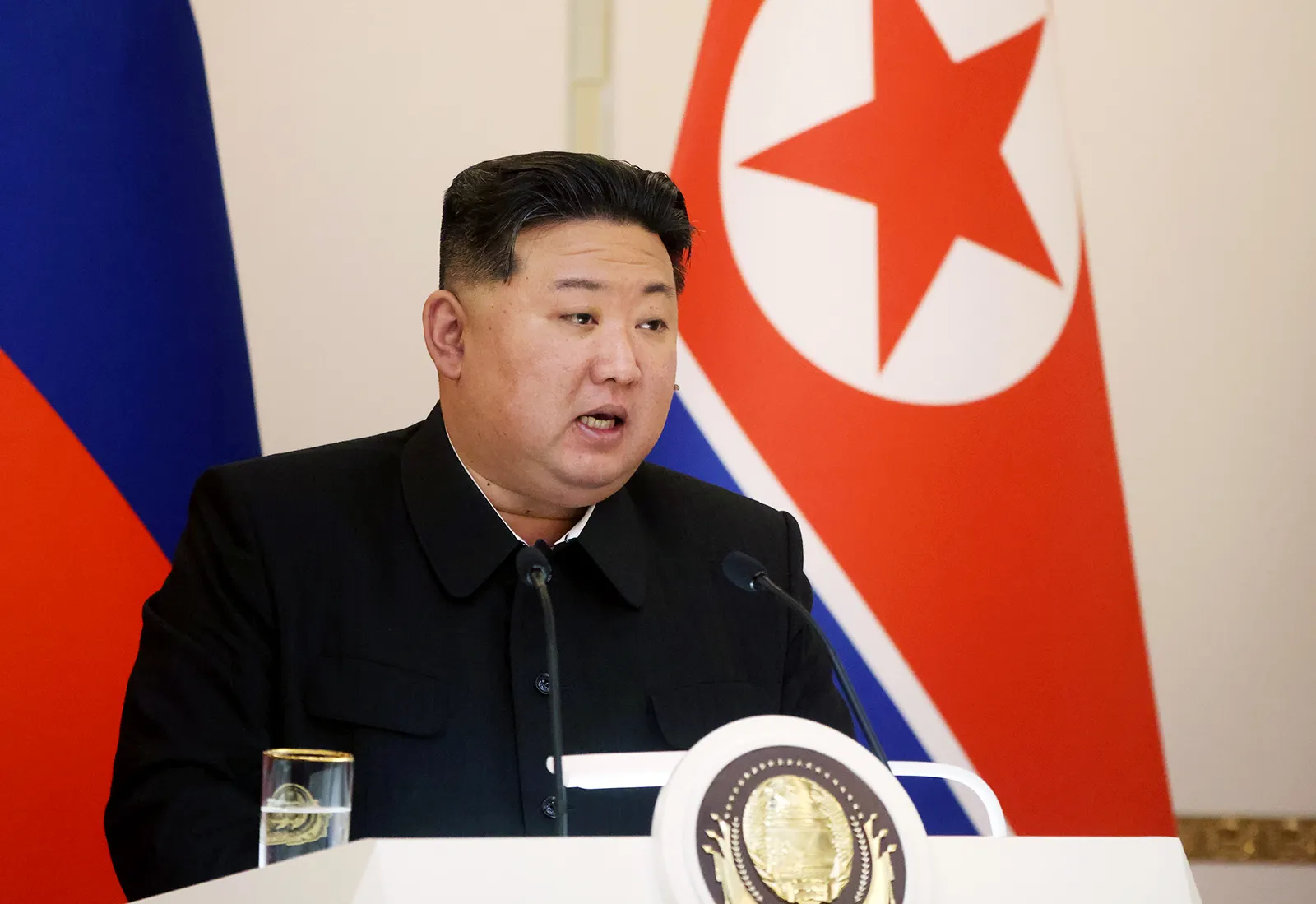
Kim Jong Un, the Supreme Leader of North Korea, remains a pivotal figure on the global stage. His leadership and decisions continue to impact regional stability, international relations, and nuclear diplomacy. As tensions in the Korean Peninsula persist, understanding Kim Jong Un’s strategic moves is essential for policymakers and citizens alike.
Recent Developments
In recent months, Kim Jong Un has made headlines with a series of provocative missile tests, signaling a clear message to both domestic and international audiences. After a period of relative quiet concerning missile activity, North Korea resumed testing by launching short-range ballistic missiles on multiple occasions in early 2023. These tests have drawn swift condemnation from neighboring countries and the United States, which consider them a violation of United Nations sanctions.
The Kim administration appears to be leveraging these missile tests as a means to bolster national pride and demonstrate military capabilities, especially in light of ongoing economic challenges within the country. Experts suggest that the timing of these tests is also strategic, aimed at gaining leverage in potential negotiations with the U.S. and South Korea.
On the international front, North Korea continues to navigate a complex landscape marked by economic sanctions and the need for foreign aid. Kim’s recent meetings with Chinese officials underscore the importance of maintaining strong ties with Beijing, North Korea’s largest trading partner and military ally. However, Kim has also expressed interest in expanding diplomatic outreach, particularly in light of global shifts following Russia’s invasion of Ukraine.
Implications for the Future
The persistence of missile tests and the focus on military advancements signal that Kim Jong Un is committed to enhancing North Korea’s defensive capabilities. This trajectory raises concerns about an arms race in the region and further complicates diplomatic engagements. As nations monitor North Korea’s developments, analysts emphasize the need for a balanced approach that addresses security concerns while fostering dialogue.
Looking ahead, the world will be watching closely as Kim Jong Un navigates these challenging waters. The potential for diplomatic breakthroughs remains, but with each missile launch, the stakes rise, making the landscape increasingly volatile.
Conclusion
In summary, the leadership of Kim Jong Un is characterized by a blend of military assertiveness and strategic diplomacy. For citizens and leaders worldwide, staying informed about Kim’s actions is crucial, as they hold significant implications not just for the Korean Peninsula, but for global peace and security. The forthcoming months will be telling, and the international community will need to remain engaged to mitigate tensions and foster cooperative solutions.