Introduction
Stanley Kubrick, one of the most influential filmmakers in cinematic history, is renowned for his distinct visual style and groundbreaking storytelling techniques. His work spans multiple genres, from horror to science fiction, and has left an indelible mark on filmmaking that continues to inspire directors and audiences alike. As we celebrate his contributions to cinema, it is essential to explore the importance of his films and how they have shaped the landscape of modern filmmaking.
Kubrick’s Innovative Approach
Kubrick’s meticulous attention to detail and innovative techniques set him apart from his contemporaries. Films such as 2001: A Space Odyssey (1968) showcased his visionary approach to storytelling and special effects, predicting technological advancements and exploring existential themes long before they permeated popular culture. His use of classical music and pioneering cinematography transformed the art of visual storytelling, captivating audiences and critics alike.
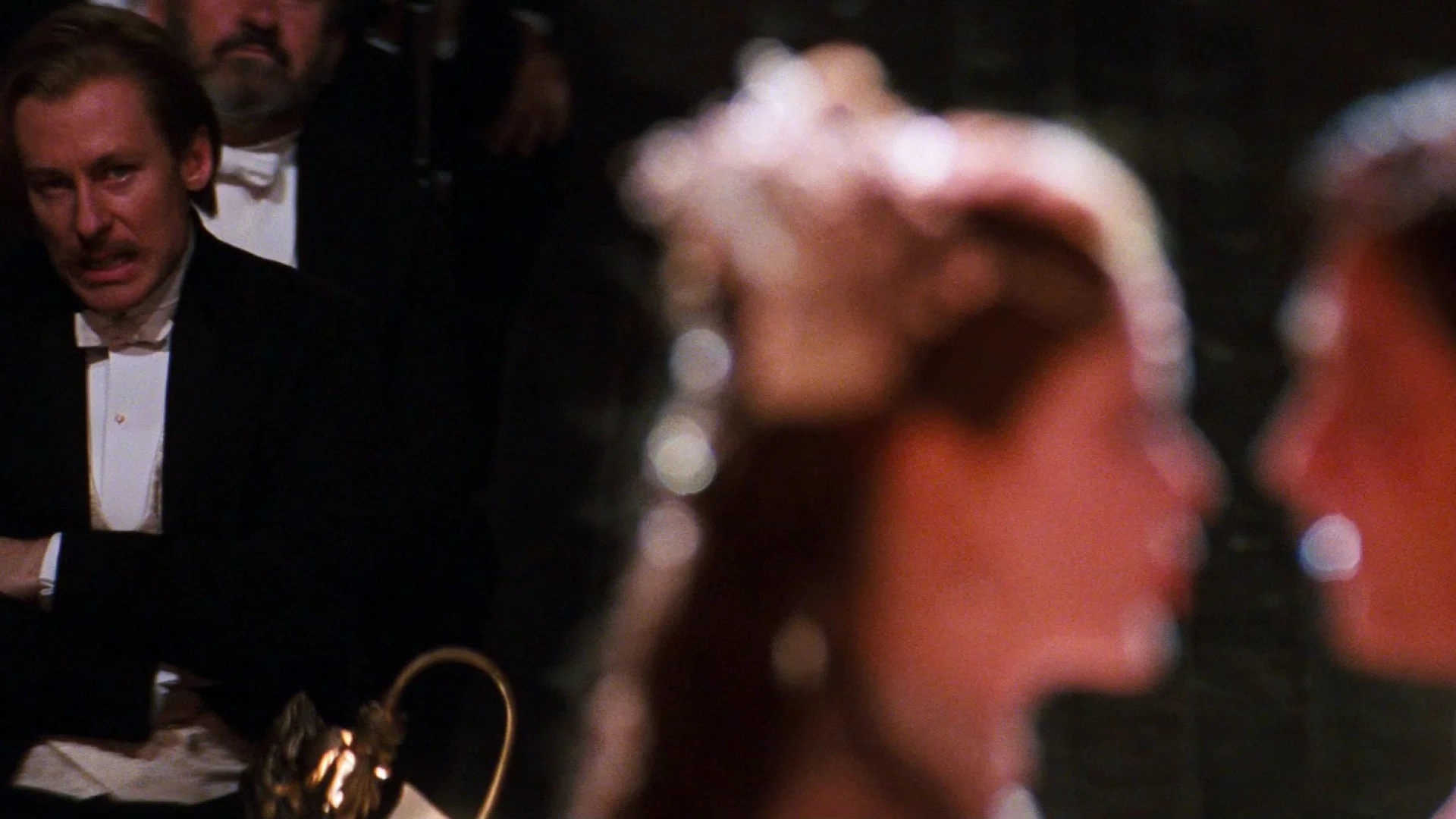
Moreover, his commitment to authenticity and realism in films like Full Metal Jacket (1987) and The Shining (1980) pushed the boundaries of how stories were told on screen, setting new standards in the industry. Kubrick’s techniques, such as the use of long takes, the unique framing of shots, and innovative lighting, continue to be studied and emulated by film students and professionals worldwide.
Impact on Modern Filmmaking
The cultural significance of Kubrick’s work resonates strongly in today’s film industry. Many contemporary filmmakers cite him as a primary influence, as his fearless pursuit of artistic vision has paved the way for introspective and multifaceted storytelling. Directors like Christopher Nolan, Quentin Tarantino, and Ridley Scott have all acknowledged Kubrick’s impact on their work, whether through thematic exploration or technical expertise.
Moreover, the resurgence of interest in his films in recent years has sparked discussions about their relevance in today’s society. Cultural critiques of films like A Clockwork Orange (1971) and Dr. Strangelove (1964) underscore timeless themes such as violence, governance, and morality, retaining their significance as political and social narratives in a rapidly changing world.
Conclusion
Stanley Kubrick’s legacy is one of innovation, creativity, and a relentless quest for cinematic excellence. As new generations of filmmakers absorb and reinterpret his techniques, the enduring influence of his body of work ensures that Kubrick remains a pivotal figure in the history of film. His films are not merely entertainment; they are a lens into the complexities of humanity, inviting viewers to engage with their intricate narratives and profound themes. As we look to the future of cinema, it is crucial to acknowledge and celebrate the contributions of Stanley Kubrick, whose work will undoubtedly continue to shape the art of filmmaking for decades to come.