Introduction
The Bugonia movie has created quite a stir in the film industry since its recent release. This film, helmed by a visionary director, merges stunning visuals with deep, thought-provoking themes. Its unique narrative structure and artistic approach have captured the attention of both critics and audiences alike, making it a significant topic of discussion in contemporary cinema circles.
Plot Overview and Artistic Elements
Set in a whimsical yet dystopian realm, Bugonia challenges viewers with its rich narrative that intertwines elements of fantasy and reality. The story follows the journey of a young protagonist who learns about identity and belonging in a world that is both enchanting and terrifying. The film is characterized by its vibrant cinematography, featuring lush landscapes that serve as a backdrop to the emotional odyssey of the characters.
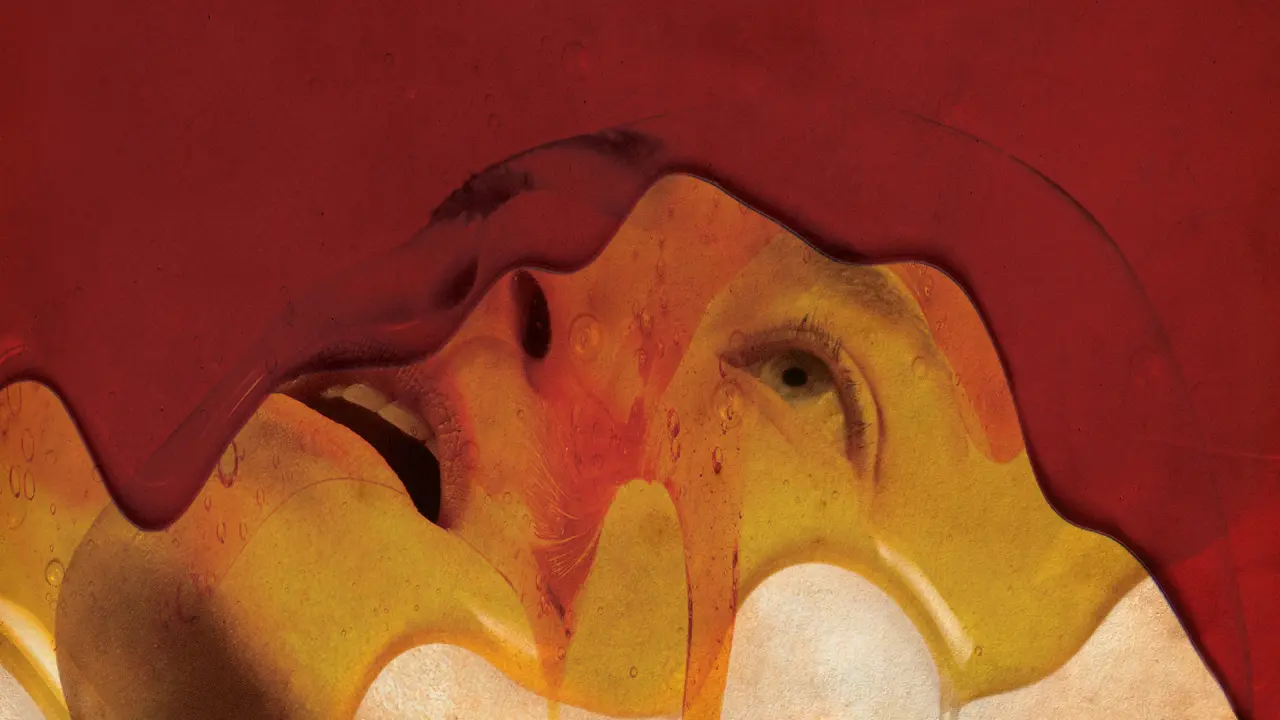
The film’s director, known for pushing artistic boundaries, employs a blend of animation and live-action, creating a visually arresting experience. Each scene is carefully crafted to evoke strong emotional responses, with particular attention paid to color palettes and sound design that complement the unfolding narrative.
Critical Reception and Audience Reaction
Since its premiere at various international film festivals, Bugonia has received a plethora of accolades and nominations. Critics have praised its originality and the bold thematic explorations it undertakes, such as the nature of self-discovery and the impact of societal expectations. Audience reactions have also been overwhelmingly positive, with many viewers expressing how the film resonated with their personal experiences.
Social media platforms have been abuzz with discussions about Bugonia, with fans sharing their interpretations and theories regarding the film’s deeper meanings. This level of engagement speaks to the film’s success in creating a dialogue and fostering connections among its audience.
Conclusion and Significance
As Bugonia continues to gain traction in theaters and streaming platforms, its significance in the cinematic landscape becomes increasingly evident. The film not only showcases the creative talents of its makers but also demonstrates the evolving nature of storytelling in film. For viewers, Bugonia presents an opportunity to reflect on their own journeys while engaging with a narrative that is both fantastical and relatable.
As we look ahead, Bugonia’s impact on conversations surrounding art in cinema is likely to inspire future filmmakers and audiences to explore the depths of human experience through innovative storytelling. The film is poised to become a touchstone in contemporary cinema, and its themes will likely resonate for years to come.