Introduction
Benin, a small country located in West Africa, plays a crucial role in the region’s culture and history. Known for its vibrant traditions and the birthplace of the Vodun religion, Benin holds significant historical roots as part of the ancient Kingdom of Dahomey. With a diverse landscape and economy, understanding Benin is essential for recognizing its impact on African heritage and contemporary growth.
Historical Context
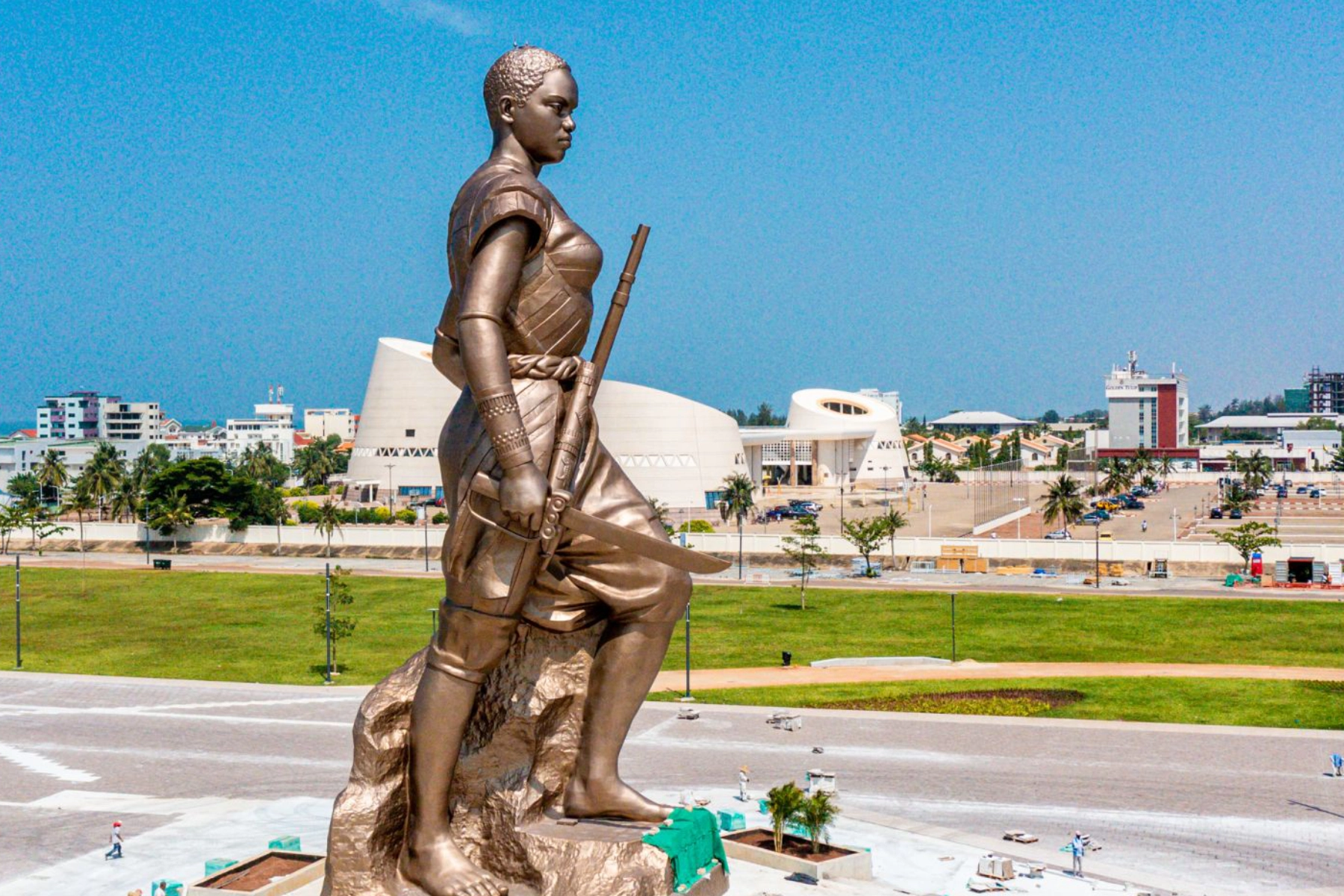
Historically, Benin was a significant player in the transatlantic slave trade, where millions of Africans were captured and sold. The Kingdom of Dahomey, established in the 17th century, was known for its strong military and economic power, as well as the infamous Amazon warriors. Today, remnants of this rich history can be explored through numerous cultural sites, including the Royal Palaces of Abomey, recognized as a UNESCO World Heritage Site.
Cultural Significance
Benin’s culture is marked by its unique traditions, art, and music. Festivals such as the Voodoo Festival attract thousands of tourists eager to witness the vibrant ceremonies honoring the spirits. The country is also renowned for its craftsmanship, particularly in textile production and bronze casting. The diverse ethnic groups, including the Fon and Yoruba, contribute to Benin’s cultural mosaic, making it a fascinating destination for those interested in African heritage.
Current Economic Landscape
In contemporary times, Benin’s economy is primarily based on agriculture, with cotton being a leading cash crop. The government has been working towards boosting economic development through infrastructure improvements and international trade agreements. In recent years, the port of Cotonou has emerged as a critical hub for regional trade, enhancing Benin’s accessibility to global markets. However, challenges such as political instability and economic dependency on agriculture remain persistent obstacles to growth.
Conclusion
As Benin continues to evolve, its historical and cultural significance remains a vital aspect of its identity. The country’s efforts to modernize its economy while maintaining its rich traditions present a unique juxtaposition for observers. By investing in its cultural heritage and economic potential, Benin is poised to enhance its role as a key player in West Africa. For tourists and investors alike, understanding Benin’s complex narrative is essential to appreciating its current developments and future prospects.