Introduction to the World’s Tallest Buildings
The quest for height has captivated architects and urban planners across the globe, as the world’s tallest buildings not only showcase engineering marvels but also reflect a city’s ambition and economic power. As of 2023, the landscape of skyscrapers remains dynamic, with new developments pushing the boundaries of architectural design and innovation.
Current Rankings
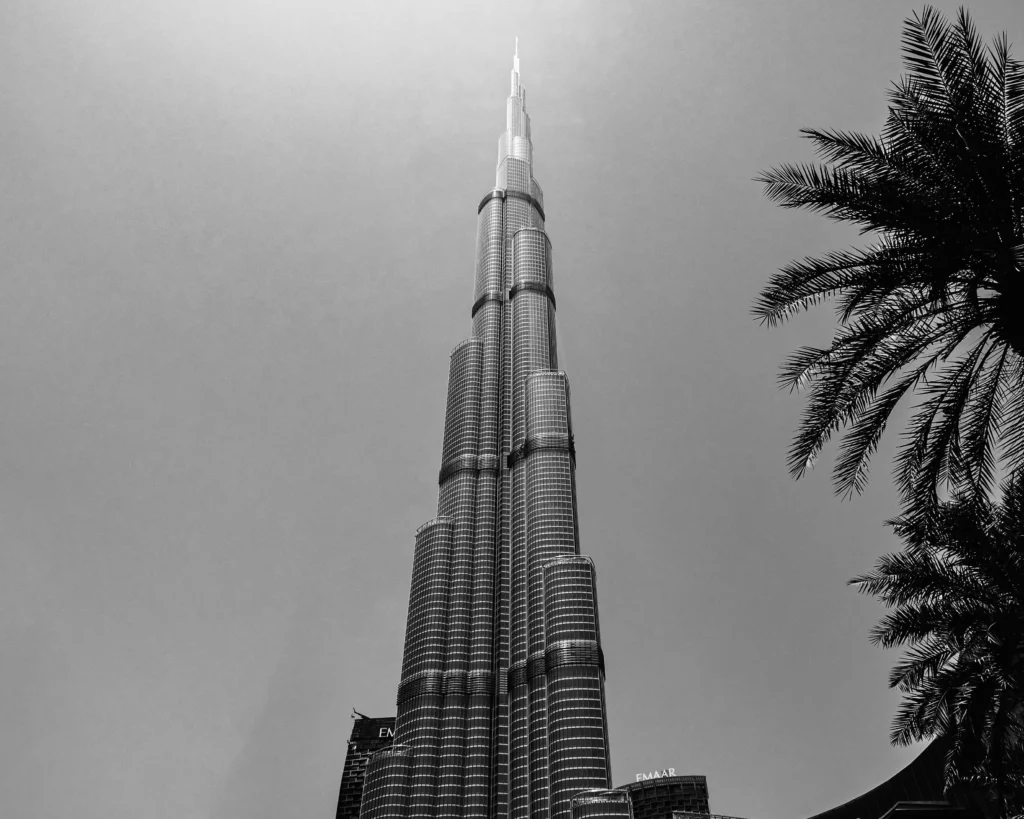
As of October 2023, the Burj Khalifa in Dubai retains its title as the tallest building in the world, standing at an impressive 828 meters (2,717 feet) tall. It has held this record since its completion in 2010. Following closely is the Shanghai Tower in China, which reaches 632 meters (2,073 feet) and features a unique twisting design that reduces wind load.
Other notable skyscrapers include the Abraj Al Bait Clock Tower in Mecca, Saudi Arabia (601 meters), and the Ping An Finance Centre in Shenzhen, China (599 meters). These structures not only serve as commercial and residential spaces but also feature observation decks that attract millions of visitors each year.
Recent Developments
The race for height is still on, with several ambitious projects underway. The Jeddah Tower in Saudi Arabia aims to surpass the Burj Khalifa, targeting a height of over 1,000 meters (3,281 feet) upon its completion. Although construction has faced delays, it is expected to be a significant addition to the skyline once finished.
In addition, the One World Trade Center in New York City remains a cultural symbol, standing at 541 meters (1,776 feet) tall. Its completion in 2014 marked an important milestone in post-9/11 recovery and redevelopment efforts.
Significance for Urban Development
The construction of these towering structures has profound implications for urban development. They symbolize economic growth, modernization, and innovation. Cities invest in such projects to attract tourism, boost local economies, and enhance their global presence. However, these developments also raise questions about sustainability and urban planning, as cities grapple with issues like congestion and environmental impact.
Conclusion
As we look toward the future, the trend of constructing the world’s tallest buildings seems set to continue. These skyscrapers not only provide us with architectural marvels but also serve as a reflection of human ambition and technological advancements. With ongoing projects aiming to push the limits of height and design, the skyline of tomorrow promises to be even more impressive, making it a fascinating area to watch for architecture enthusiasts and urban planners alike.