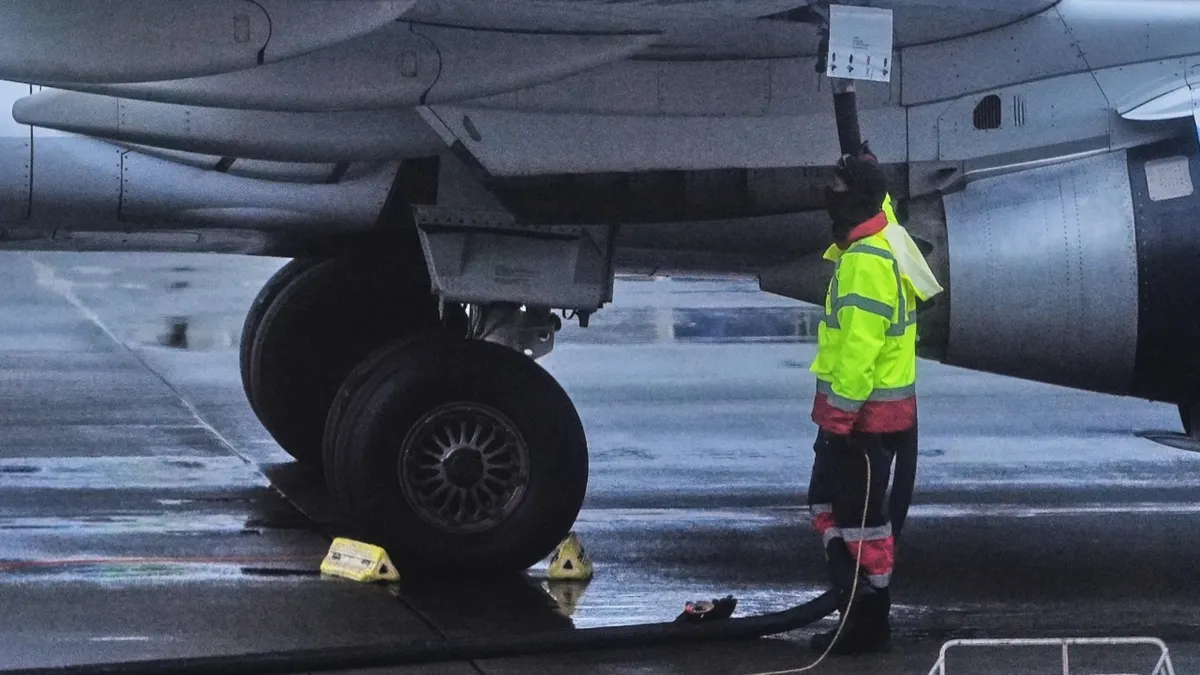
“The longer this drags on, the higher the price of jet fuel is going to go,” stated Eric Rosen, highlighting the escalating concerns surrounding fuel prices amid the ongoing conflict in the Middle East. The war, particularly the tensions involving the U.S. and Israel with Iran, has disrupted fuel supply chains, leading to significant price increases that are expected to affect various sectors globally.
As the conflict continues, fuel prices are projected to rise, with jet fuel costs already increasing. Airlines, facing higher operational costs, are contemplating raising fuel surcharges on tickets. This situation comes at a time when the aviation industry is still recovering from the financial impacts of the COVID-19 pandemic.
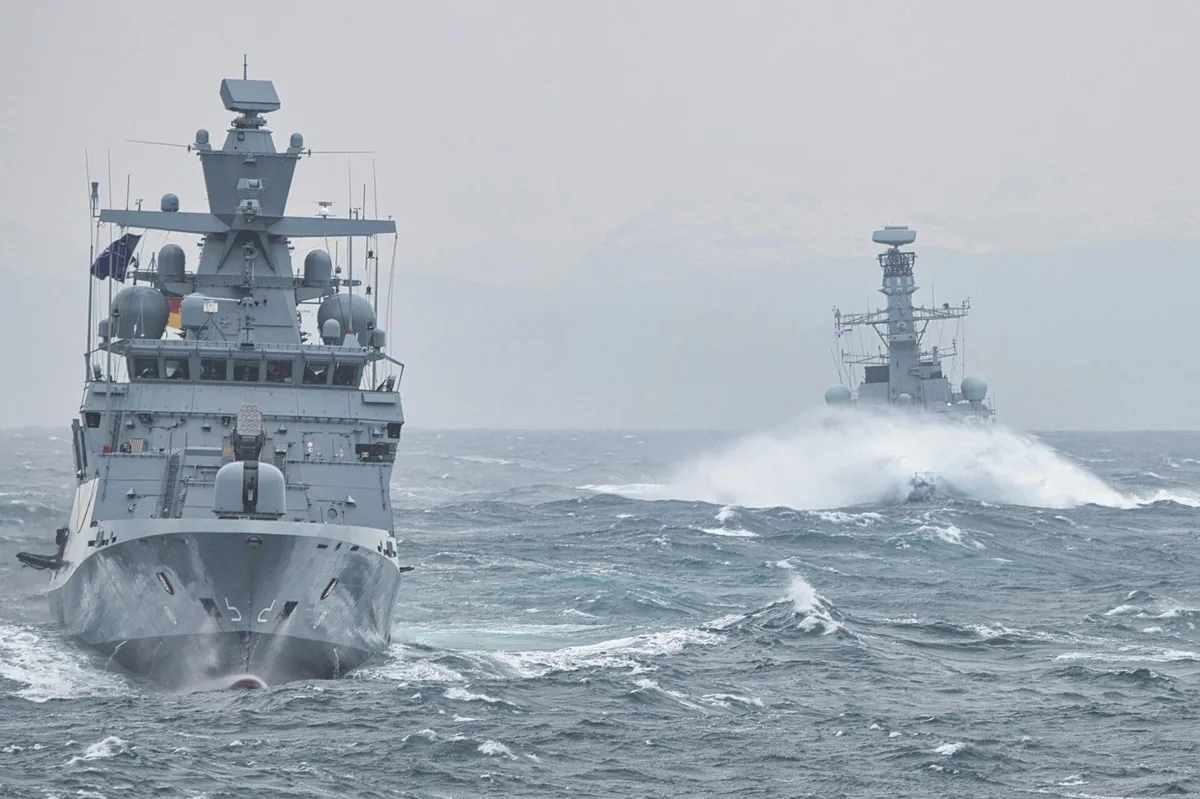
The Global Maritime Fuel Tanker Insurance Market, valued at approximately USD 7.2 billion in 2025, is also feeling the effects. It is projected to grow to nearly USD 13.8 billion by 2032, with Asia-Pacific accounting for around 39% of the market share in 2026. Marine shipping companies, which represent about 48% of this market, are particularly vulnerable to fluctuations in fuel prices, as crude oil tankers make up about 34% of the market.
The humanitarian impact of the conflict is severe, with approximately 3.2 million people displaced by the current conflict in Iran and 800,000 in Lebanon. The situation is dire, as 874,000 people in Lebanon and 1.6 million in Gaza are facing extreme hunger. If the conflict persists, an estimated 45 million people could be pushed into extreme hunger, exacerbating an already critical humanitarian crisis.
Ed Bastian, CEO of Delta Air Lines, expressed concern over the economic impact on individuals, stating, “These people missed paychecks just a few months ago, they’re missing paychecks again, it’s outrageous.” This sentiment reflects the broader economic challenges faced by many as fuel prices rise and the conflict continues to disrupt livelihoods.
As the situation evolves, the global economy remains on edge, with fuel prices likely to continue their upward trajectory. The implications for airlines and shipping industries are significant, as they grapple with increased operational costs and the potential for reduced consumer demand.
What observers say
Experts in the field are closely monitoring the developments in the Middle East, as the ongoing conflict poses risks not only to fuel prices but also to global food security and economic stability. The interconnectedness of these issues underscores the need for a resolution to the conflict, which could alleviate some of the pressures on fuel prices and improve the humanitarian situation.