How it unfolded
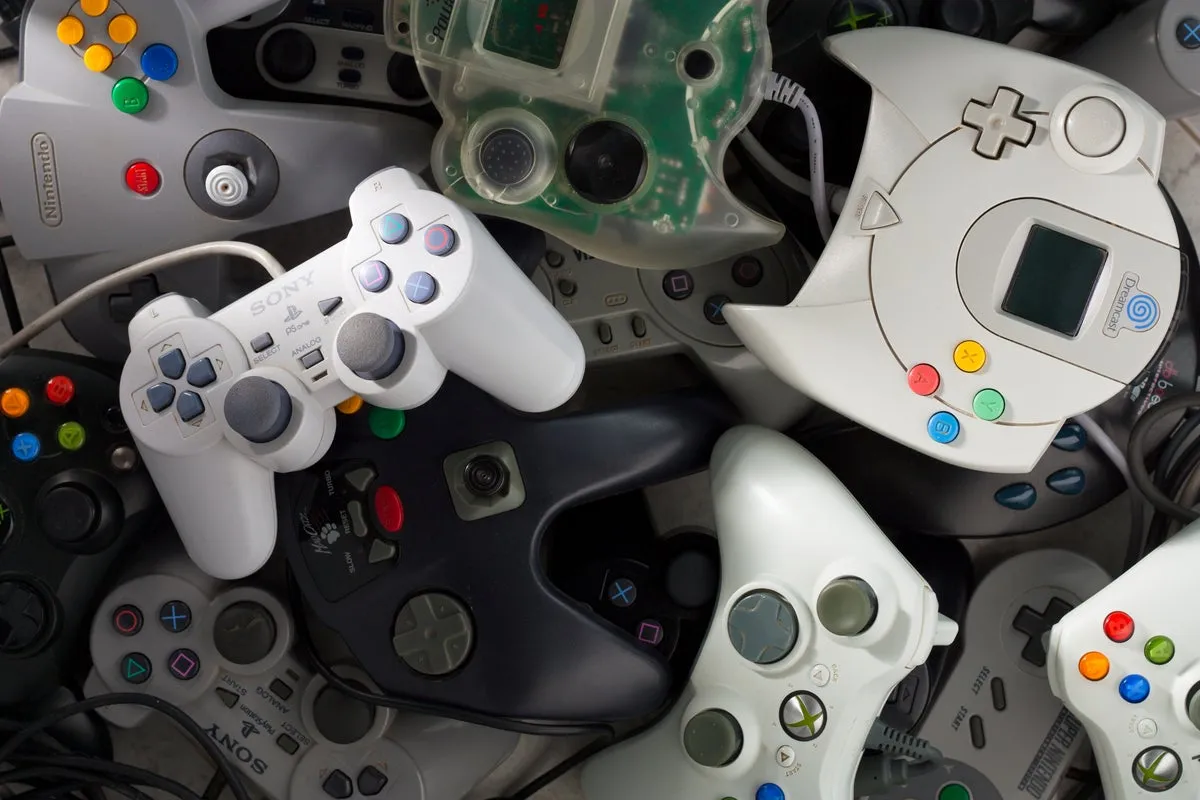
On March 17, 2026, GameStop made a notable announcement that the PlayStation 3, Xbox 360, and Nintendo Wii U are now classified as retro consoles. This declaration comes at a time when the gaming landscape is rapidly evolving, and many consumers are looking back at the systems that shaped their gaming experiences.
The classification was reached after GameStop conducted a thorough analysis of various indicators. Among these were the presence of component cables and the absence of popular contemporary games like Fortnite. GameStop humorously noted that these consoles were launched during the presidency of George W. Bush, further emphasizing their historical significance.
In conjunction with this announcement, GameStop is offering a Retro Trade-In Bonus that runs until March 21, 2026. Customers who bring in their retro consoles, games, or accessories can receive an additional 10% trade-in credit. This initiative aims to encourage gamers to part with their old systems while also providing them with a financial incentive.
Interestingly, GameStop has stated that even defective retro consoles can be traded in, as long as they can power on. This policy reflects the company’s commitment to valuing these systems, which they have referred to as “historic artifacts.” GameStop reassured customers that owning these consoles at launch does not make them old, aiming to maintain a positive sentiment among nostalgic gamers.
However, the announcement comes amidst challenging times for GameStop, which has closed nearly 500 locations across the country recently. By the end of January 2026, the company had already shut down 470 locations, and last year saw the closure of 580 U.S. stores. Currently, GameStop operates with fewer than 2,000 locations left, highlighting the pressures the retail chain faces in the current market.
The classification of these consoles as retro is significant not only for GameStop but also for the gaming community. It marks a shift in how older gaming systems are perceived, potentially influencing collectors and enthusiasts to revisit these platforms. GameStop’s playful acknowledgment of the consoles as historic artifacts may resonate with many who grew up playing these systems.
As the gaming industry continues to evolve, the recognition of these consoles as retro could lead to increased interest in vintage gaming. This could also spark a renewed appreciation for the games and experiences that defined an earlier era of gaming. The implications of this classification extend beyond mere nostalgia; they could reshape how future generations view the history of video games.
In summary, GameStop’s declaration of the PlayStation 3, Xbox 360, and Nintendo Wii U as retro consoles represents a significant moment in gaming history. With the Retro Trade-In Bonus in effect, gamers have a unique opportunity to engage with their past while navigating the current landscape of the gaming industry.