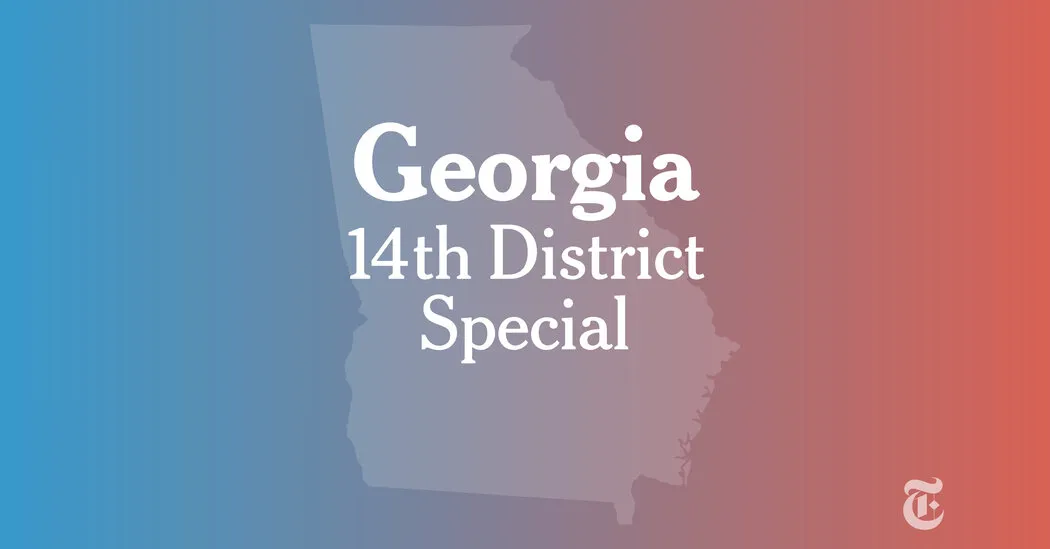
Georgia Special Election: Key Developments and Stakes
The upcoming Georgia special election on March 10, 2026, carries significant implications for both the Republican and Democratic parties, particularly as it seeks to fill the vacancy left by former Congresswoman Marjorie Taylor Greene. Greene’s resignation in January 2026 followed a public dispute with former President Trump, which has set the stage for a contentious race.
With 17 candidates vying for the position—12 Republicans, 3 Democrats, 1 Libertarian, and 1 independent—the election is characterized by a diverse field. Clay Fuller, a Republican endorsed by Trump, is currently viewed as the front-runner. His support from the former president could be pivotal in shaping the outcome of the election.
On the Democratic side, Shawn Harris, a retired Army brigadier general who previously lost to Greene, has raised over $4.3 million for his campaign. This financial backing positions him as a serious contender, especially given the election’s focus on pressing economic issues such as inflation and affordability.
The stakes are high, as the election is seen as a test of Trump’s enduring influence within the Republican Party. In the 2024 election, Trump secured 68% of the vote in the 14th Congressional District, indicating strong Republican support in the area. Currently, Republicans hold 218 House seats compared to the Democrats’ 214, making this election critical for both parties.
To win outright and avoid a runoff, a candidate must secure more than 50% of the vote. If no candidate achieves this threshold, a runoff election will take place on April 7, 2026. This possibility adds an extra layer of urgency to the campaigns as candidates mobilize their resources and supporters.
As the election approaches, various opinions are emerging regarding the candidates and their viability. “I think that, you know, we have an unusual situation here,” noted David Guldenschuh, reflecting on the unique dynamics of the race. Meanwhile, Vincent Mendes emphasized the need for concerted efforts should Fuller reach a runoff, stating, “We will have to work our butts off to make him win if he gets to a runoff.”
Questions remain about the overall impact of Trump’s endorsement and whether he still holds the same influence within the party as he did in 2024. Fin Gómez posed a critical question: “Does the president still have the influence that he did back in 2024?”
As candidates continue to campaign and voters prepare to cast their ballots, the outcome of the Georgia special election remains uncertain. Details remain unconfirmed regarding the final voter turnout and the potential for unexpected shifts in support among the candidates.