Introduction
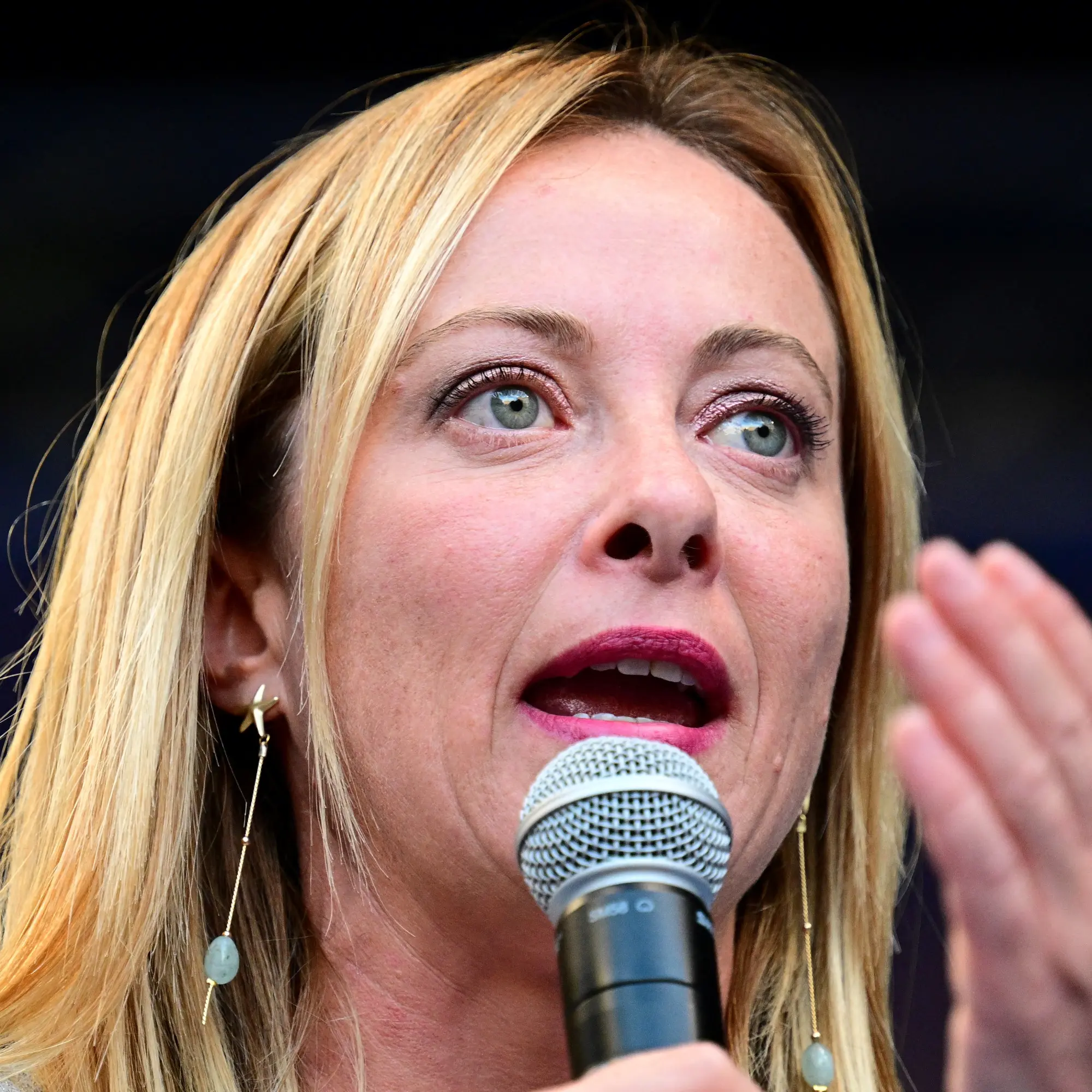
Giorgia Meloni has made history as Italy’s first female Prime Minister, a landmark achievement that highlights not only her personal career milestones but also the shifting dynamics of Italian politics. As the leader of the Brothers of Italy party, Meloni has garnered attention for her strong stances on issues ranging from immigration to family values, becoming a pivotal figure in the European political landscape.
Background
Giorgia Meloni, born on January 15, 1977, in Rome, began her political career at a young age, joining the Youth Front of the National Alliance in 1996. She quickly rose through the ranks, becoming Italy’s youngest minister at the age of 31 when she took over the Ministry of Youth under Prime Minister Silvio Berlusconi. Meloni’s party, Brothers of Italy, is rooted in post-fascist ideologies but has evolved, focusing on national identity and traditional family values.
Political Rise
In the 2022 general elections, Meloni’s party surged in popularity, securing a significant portion of the electorate with a platform that resonated with many Italians concerned about economic stability, immigration, and social cohesion. As Italy grappled with the aftermath of the COVID-19 pandemic and rising energy costs exacerbated by geopolitical tensions, voters shifted towards Meloni, finding in her a promise of strong leadership.
Policies and Impact
Since taking office in October 2022, Meloni has focused on economic reforms, advocating for policies that aim to reduce taxation and support families amid growing inflation. Her administration has also faced challenges, particularly regarding immigration, as Italy continues to receive a substantial number of migrants from North Africa. Moreover, her foreign policy has stirred discussions, particularly regarding Italy’s stance toward the European Union and Ukraine amidst the ongoing war with Russia.
Conclusion
Giorgia Meloni’s leadership marks a significant turning point in Italian politics, not just as a female Prime Minister but also as an influential voice for the right in Europe. As her government navigates complex national and international issues, observers will be closely watching how her policies are received by both the citizenry and European allies. The long-term implications of her leadership will likely shape Italy’s trajectory in the coming years, reinforcing her role as a key figure in the ongoing evolution of European politics.