GLP-1 receptor agonists are making a significant impact in the management of weight loss and type 2 diabetes, with many patients achieving normal or near-normal glucose levels. These medications are particularly noteworthy because they allow individuals to manage their diabetes effectively while also promoting weight loss.
Type 2 diabetes, a chronic metabolic disease, can enter remission but is not considered curable. Current medical guidelines define remission as maintaining an A1C level below 6.5 percent for at least three months without the use of glucose-lowering medications. This is a crucial benchmark for patients aiming to improve their health outcomes.
Despite the improvements in blood sugar levels, insulin resistance and excess adiposity often persist in patients with type 2 diabetes. This highlights the complexity of the disease and the need for ongoing management strategies beyond just medication.
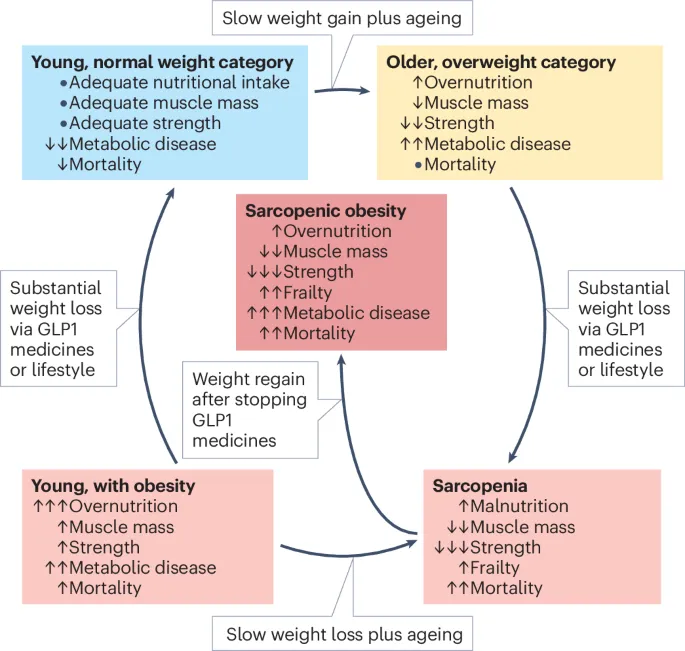
Research indicates that weight loss achieved through GLP-1 receptor agonists does not lead to a disproportionate loss of muscle mass or function in obese individuals. This is particularly important for maintaining overall health and mobility, especially in older adults.
Frailty, which can affect multi-morbid patients, is characterized by specific biomarker patterns that reflect inflammation or muscle catabolism. As patients age, they may experience diminished muscle re-growth and a reduction in myogenic precursor cell expansion following periods of immobility-induced atrophy.
The use of GLP-1 receptor agonists represents a promising avenue for addressing both weight management and diabetes control. However, while many patients experience significant benefits, the persistence of insulin resistance and other metabolic issues remains a concern.
As the medical community continues to explore the full potential of GLP-1 receptor agonists, further studies are expected to clarify their long-term effects and benefits. Details remain unconfirmed regarding the optimal duration and combination of treatments for sustained health improvements.