Government Shutdown Causes Significant Delays at Major Airports
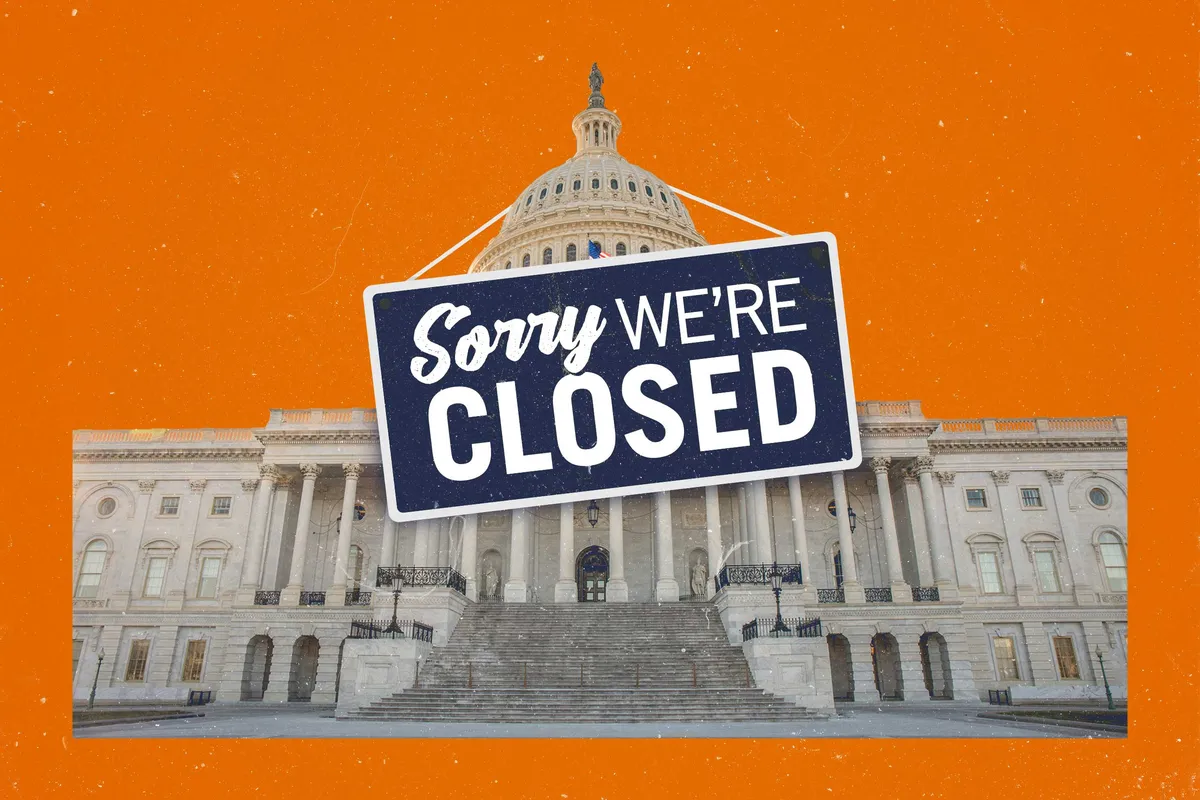
The partial government shutdown, which began on February 14, 2026, is causing extensive delays at major airports across the United States, including Louis Armstrong New Orleans International Airport, O’Hare International Airport in Chicago, and airports in Houston.
As a result of the shutdown, Transportation Security Administration (TSA) agents have been working without pay, leading to long security lines. Travelers at Houston reported waiting up to three hours to get through security, while officials at New Orleans advised passengers to arrive at least three hours before their flights.
At O’Hare, customs processing lines stretched almost the length of Terminal 5, further exacerbating the travel chaos. The Department of Homeland Security (DHS) is currently not funded due to the shutdown, which has led to an increase in sick calls from TSA agents.
In New Orleans, the long lines and wait times have caused some travelers to miss their flights. Airport officials have been proactive in warning travelers of the delays, advising them to arrive early to avoid complications.
Travelers in Houston were warned to arrive five hours ahead of their flights, highlighting the severity of the situation. The ongoing shutdown has sparked a blame game between Democrats and the federal government over the funding issues, complicating the resolution of the crisis.
One traveler in New Orleans expressed frustration, stating, “I think that it makes me feel really depressed when it affects people that want to come to this amazing city, and they just want to have fun, and they want to end their trip on a good note.” This sentiment reflects the broader impact of the shutdown on tourism and travel experiences.
The partial government shutdown is affecting multiple airports and causing significant delays, with travelers facing unprecedented challenges as they navigate the current situation.
Details remain unconfirmed regarding the potential resolution of the funding issues that have led to this crisis, leaving many travelers anxious about their upcoming journeys.