Market Overview
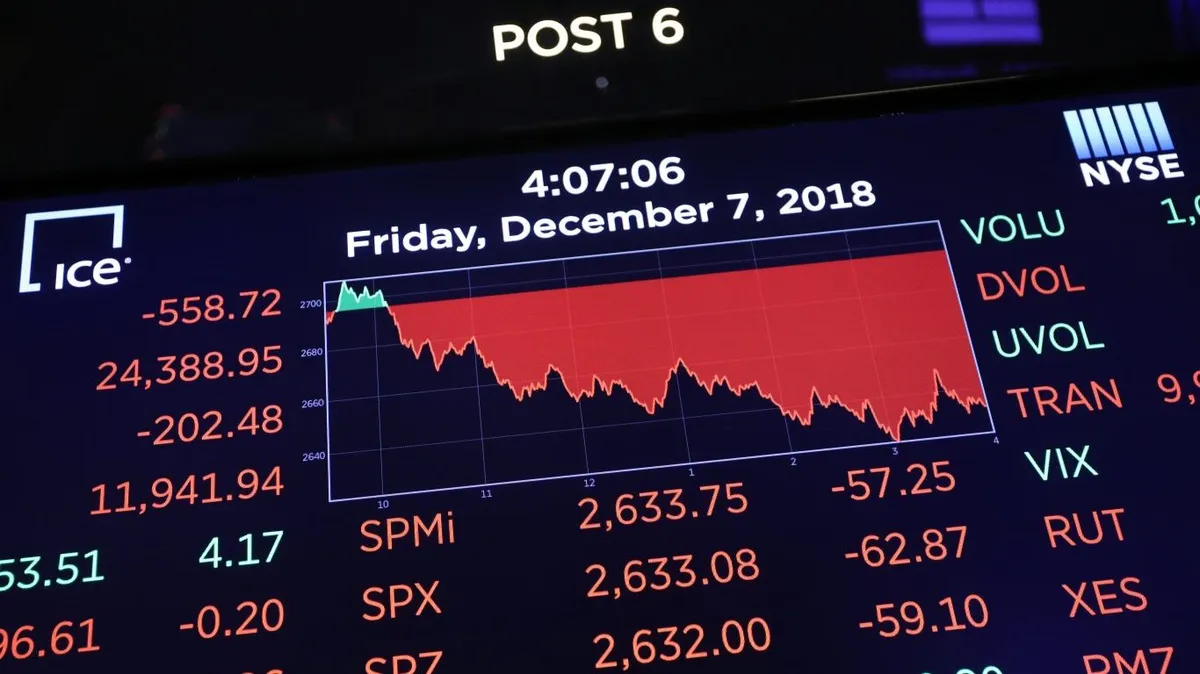
As of March 9, 2026, the financial markets are witnessing a notable decline, with the SPDR S&P 500 ETF (SPY) down by 1.17%, or $7.88. This drop is part of a broader trend affecting major indices, including the S&P 500, which has decreased by 1.05%, or 71 points, the Dow, down 1.11% or 528 points, and the NASDAQ, which fell by 1.16%, or 287 points.
Impact of Rising Gas Prices
This downturn coincides with rising gasoline prices, which have reached an average of $3.48 a gallon, according to data from AAA. The ongoing U.S.-Iran conflict is contributing to fluctuations in oil production and prices, further influencing investor sentiment and market stability.
SPY’s Performance and Characteristics
The SPDR S&P 500 ETF, launched in 1993, holds 503 stocks and has been a significant player in the market, with an average trading volume of nearly 81 million as of March 3, 2026. The ETF has an expense ratio of 0.09%, making it a cost-effective option for investors. As of February 27, 2026, SPY’s one-year return stands at 17.3%, demonstrating its historical performance despite current market challenges.
Comparison with Vanguard S&P 500 ETF
In comparison, the Vanguard S&P 500 ETF (VOO) offers a lower expense ratio of 0.03% and has higher assets under management. However, SPY is recognized for its unmatched trading liquidity and longer track record, which can be advantageous for investors looking for stability in uncertain times.
Current State of the Market
At this moment, the market’s volatility raises concerns for investors, particularly those holding spy stocks. The declines in major indices reflect broader economic uncertainties, and the rising gasoline prices add another layer of complexity to the investment landscape.
Significance of These Developments
The sequence of events is critical for those involved in the market, as it highlights the interconnectedness of geopolitical factors and financial performance. Investors in SPY and similar ETFs must navigate these fluctuations carefully, considering both the historical performance and the current economic climate.
As the situation evolves, investors will need to stay informed about market trends and external influences affecting stock performance. The current state of the SPY stock serves as a reminder of the dynamic nature of the financial markets and the importance of strategic investment decisions.