The International Energy Agency (IEA) was formed in the wake of the oil crisis of the 1970s to protect the interests of oil consumers. Since its inception, the IEA has played a crucial role in coordinating responses to oil supply disruptions and ensuring energy security among its member countries.
Recent Developments
On March 11, 2026, the IEA agreed to release 400 million barrels of oil from its members’ emergency reserves. This release is the largest volume of emergency oil reserves in IEA history, surpassing the previous record of 182.7 million barrels released in 2022 in response to Russia’s invasion of Ukraine.
Reasons for the Release
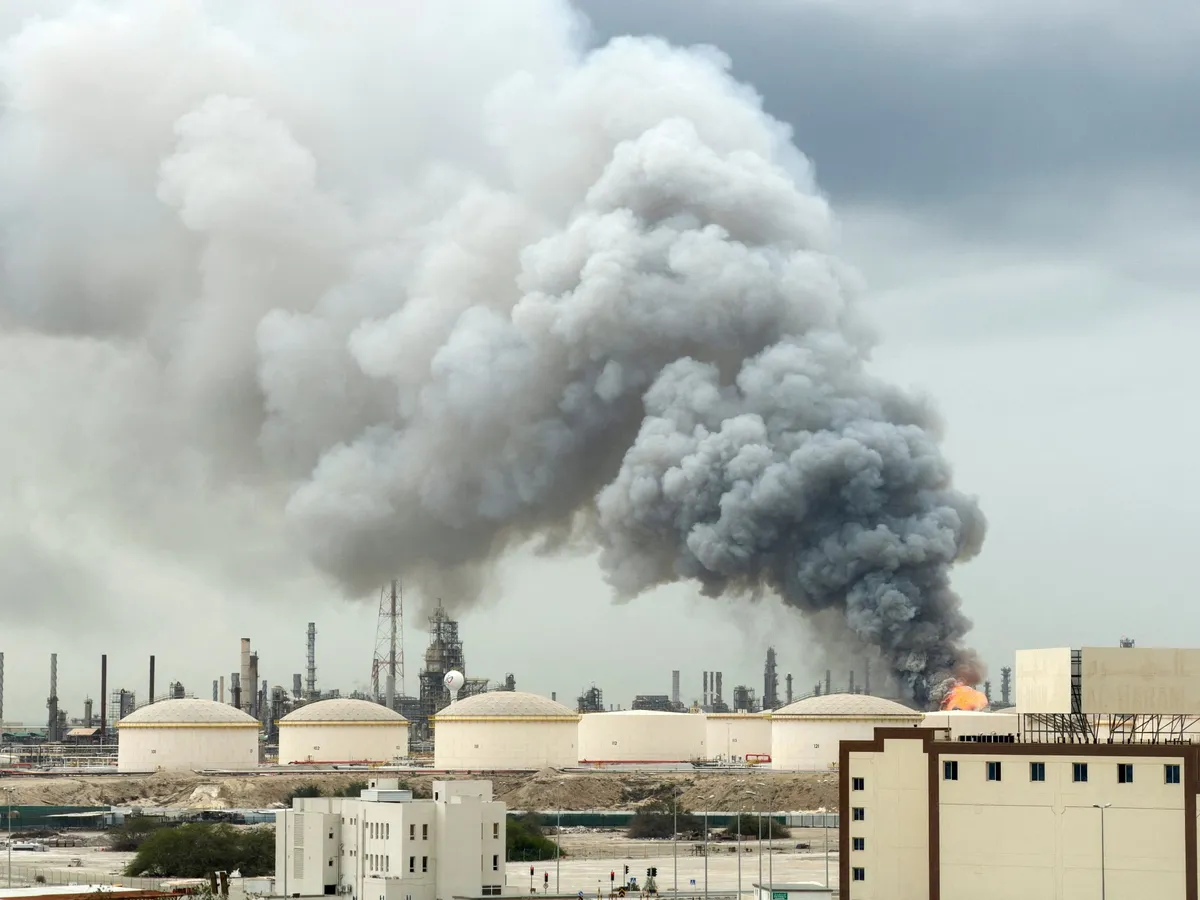
The decision to release these reserves comes amid significant disruptions in the oil market, primarily due to Iran’s effective closure of the Strait of Hormuz, a crucial shipping route for oil. This closure has raised concerns over the stability of oil supplies, as approximately 15 million barrels per day of crude oil and an additional 5 million barrels per day of oil products typically pass through this vital corridor.
International Response
In light of the situation, the G7 energy ministers convened to discuss strategies to mitigate rising oil prices and ensure market stability. Following the IEA’s request, Germany, Austria, and Japan announced their plans to release parts of their oil reserves, contributing to the collective effort to address the crisis.
Statements from Key Officials
Fatih Birol, the Executive Director of the IEA, emphasized the unprecedented scale of the oil market challenges, stating, “The oil market challenges we are facing are unprecedented in scale, therefore I am very glad that IEA member countries have responded with an emergency collective action of unprecedented size.” He further noted, “This is a major action aiming to alleviate the immediate impacts of the disruption in markets.” Birol also highlighted that Middle East oil producers have started to reduce production due to insufficient routes to market and lack of available storage.
Future Implications
Observers are closely monitoring the situation, as the closure of the Strait of Hormuz remains a significant concern. Angie Gildea, an energy analyst, remarked, “There is simply no substitute for restoring access through the Strait of Hormuz.” The IEA reserves, established in 1974 following the Arab oil embargo, now hold over 1.2 billion barrels of public emergency oil stocks, providing a buffer against such crises.
The IEA’s historic decision to release 400 million barrels of oil underscores the urgency of the current energy crisis and the need for coordinated international action to stabilize the market. As the situation develops, further responses from member countries and key stakeholders will be critical in addressing the ongoing challenges in the global oil market.