How it unfolded
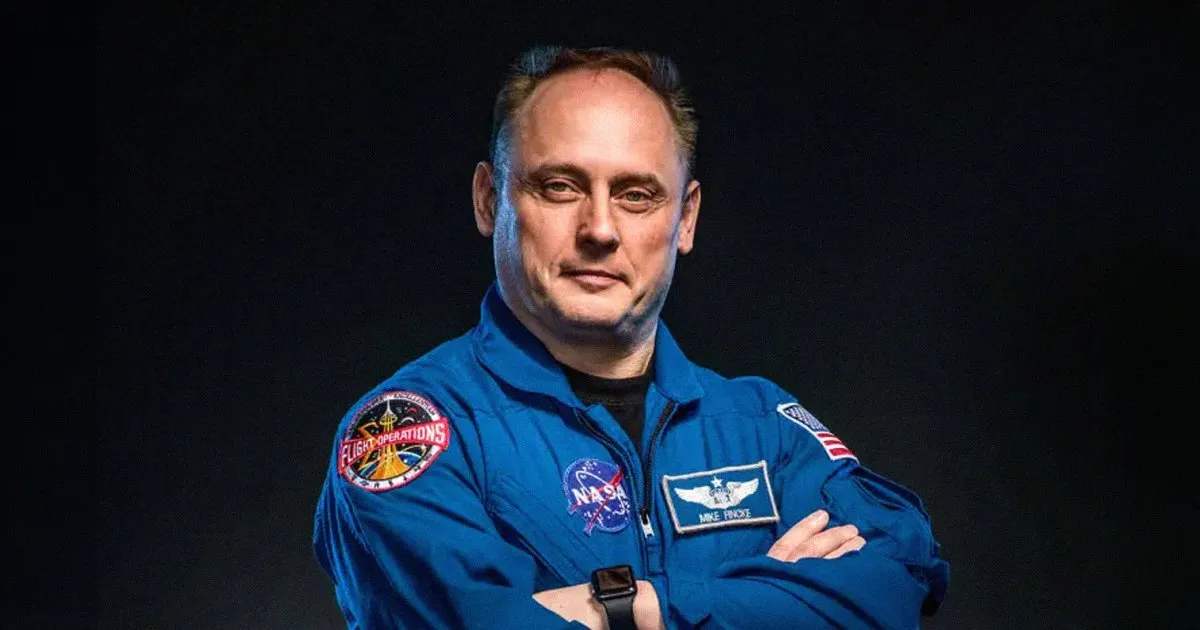
On March 27, 2026, the International Space Station (ISS) faced a significant event in its 25-year history of continuous human occupation. NASA announced the first-ever medical evacuation, a development that underscores the complexities and challenges of long-duration space missions. The incident was triggered by a medical emergency involving astronaut Mike Fincke, who experienced a sudden health issue during dinner.
Just before the evacuation, Fincke was unable to speak for approximately 20 minutes, prompting immediate concern among his fellow crew members. This alarming situation led to the decision to evacuate him from the ISS, marking a historic moment for the space agency. Fincke has spent a remarkable 549 days in space over his career, making this incident particularly noteworthy given his extensive experience.
The crew of four astronauts successfully splashed down in the Pacific Ocean on January 15, following the medical incident. The evacuation highlights the ongoing health risks associated with space travel, an area that NASA has been actively studying for years. “It was completely out of the blue,” Fincke remarked, reflecting on the unexpected nature of his medical emergency.
As NASA navigates this unprecedented situation, it is also facing broader challenges regarding the future of the ISS. The agency has been struggling to find a commercial replacement for the aging space station, which is critical for ongoing research and international collaboration in low-Earth orbit. Dana Weigel, a NASA official, noted, “We’re on a path that’s not leading us where we thought it would,” indicating the uncertainty surrounding the station’s future.
In response to these challenges, NASA has proposed that private companies collaborate directly with them to develop modules that could dock with the ISS. This initiative aims to foster innovation and ensure that the ISS remains a hub for scientific research and exploration. However, the uncertainty surrounding the future of commercial activity in low-Earth orbit continues to loom large, as expressed by Dave Cavossa, who stated, “It is sowing concern—and really sowing confusion—among the commercial space companies I represent.”
Amid these developments, NASA astronauts also completed U.S. spacewalk 94 on March 18, preparing for future solar array installations that will enhance the station’s capabilities. Additionally, the Northrop Grumman Commercial Resupply Services 24 mission is scheduled to lift off on April 8, which will deliver vital research materials to the ISS, including a module aimed at advancing quantum science.
The medical incident involving Fincke raises critical questions about the health and safety of astronauts in space. Details remain unconfirmed regarding the exact cause of his inability to speak, leaving both NASA and the medical community seeking answers. As the ISS continues to operate, the implications of this event will likely resonate throughout the space community, emphasizing the need for ongoing research into the health effects of space travel on the human body.