Introduction
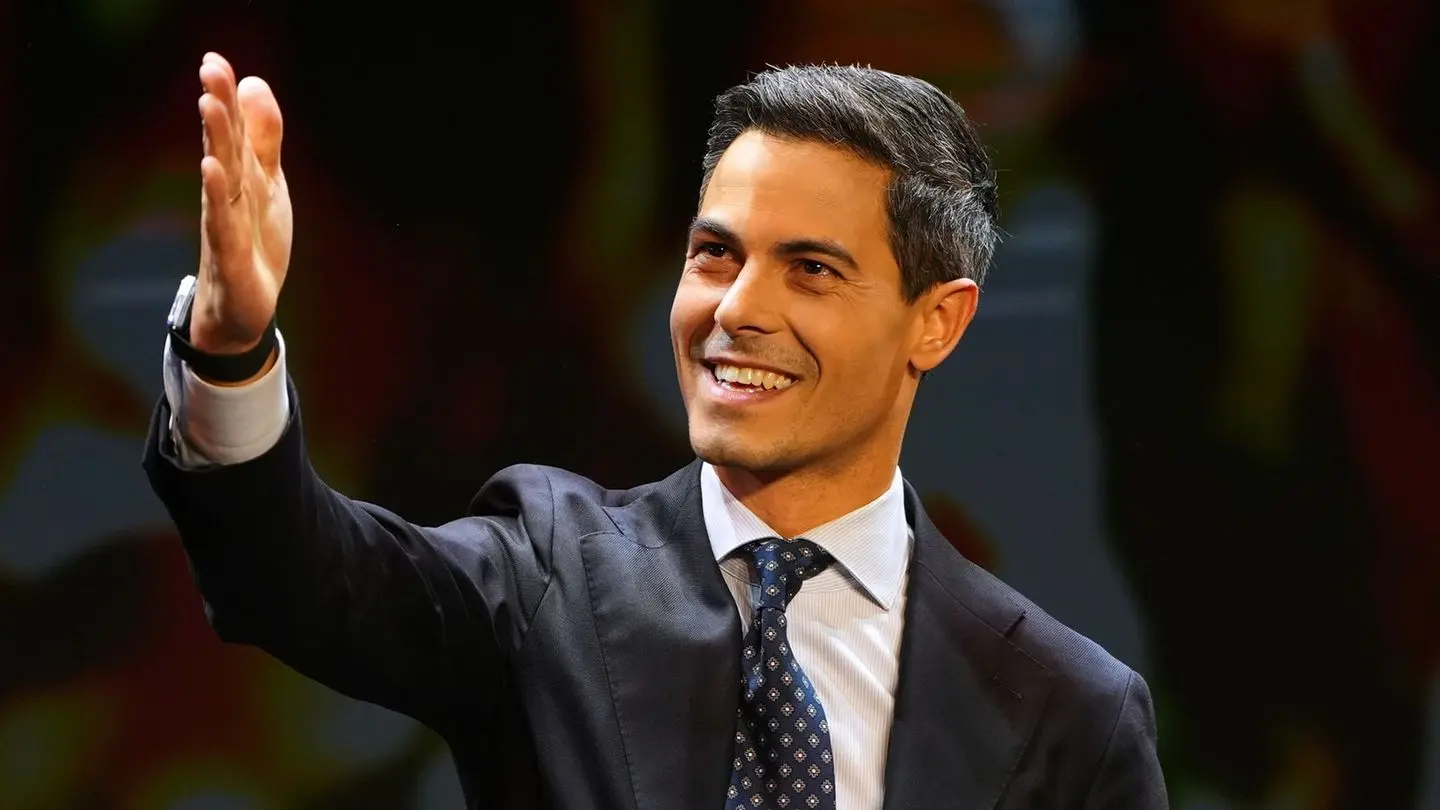
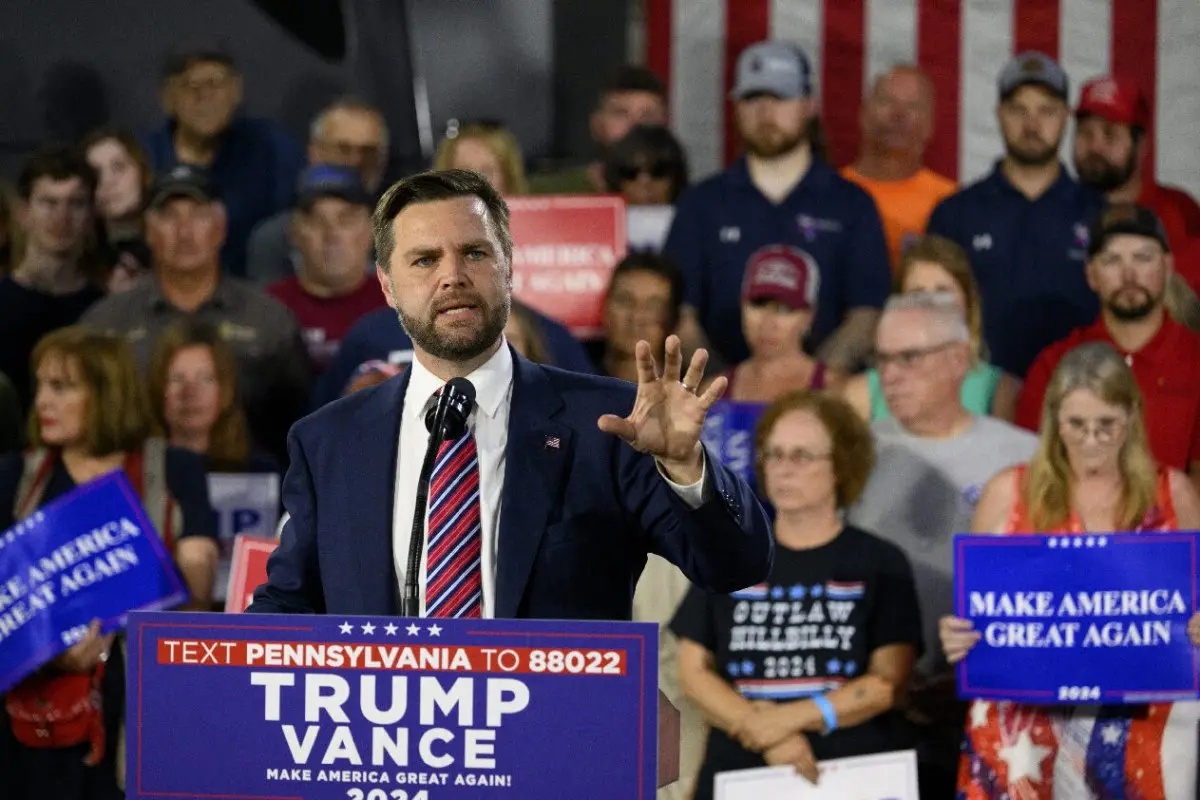
JD Vance, the Ohio senator and author, recently encountered a wave of boos during his public appearance in Milan, Italy, an event that highlights growing political tensions both in the United States and abroad. This incident brings to light the impact of international perceptions on American politicians and their domestic policies, particularly as Vance advocates for specific political agendas that may not resonate globally.
The Incident
On October 12, 2023, Vance spoke at a business conference aimed at discussing transatlantic relations and the future of U.S.-European partnerships. However, as he began addressing topics related to immigration and his staunch nationalist views, an audience of primarily international attendees responded with negative remarks and boos. Reports indicate that audience members were particularly taken aback by Vance’s rhetoric, which some perceived as out-of-touch with the more liberal sentiments often held in European circles.
Reactions
The backlash has been notable, especially considering that Vance is a prominent figure in American politics who champions policies aimed at nationalism and cultural conservatism. Political analysts suggest that reactions like this serve as a reminder of the polarized opinions surrounding American politicians, especially those who take strong right-wing stances. The event saw not only boos but also criticism from social media platforms, where users condemned Vance’s approach and called for a more nuanced understanding of global issues.
Wider Implications
This incident raises broader questions about how American political figures are perceived on the world stage. As the U.S. grapples with its domestic challenges, including shifting demographics and social movements, the international community’s response can be indicative of larger trends in global politics. Analysts argue that incidents like Vance’s booing could foreshadow growing isolation for extreme right-wing politicians as they face increased scrutiny from both domestic audiences and international stakeholders.
Conclusion
JD Vance’s booing in Milan serves as a critical reminder of the complexities of political engagement in a globally interconnected world. As U.S. politicians navigate international forums, they must be aware of varied cultural perceptions and the potential backlash they could encounter when promoting controversial views. The incident underscores the need for political leaders to foster diplomacy and mutual understanding, especially in an era marked by increasing polarization both at home and abroad.