Introduction
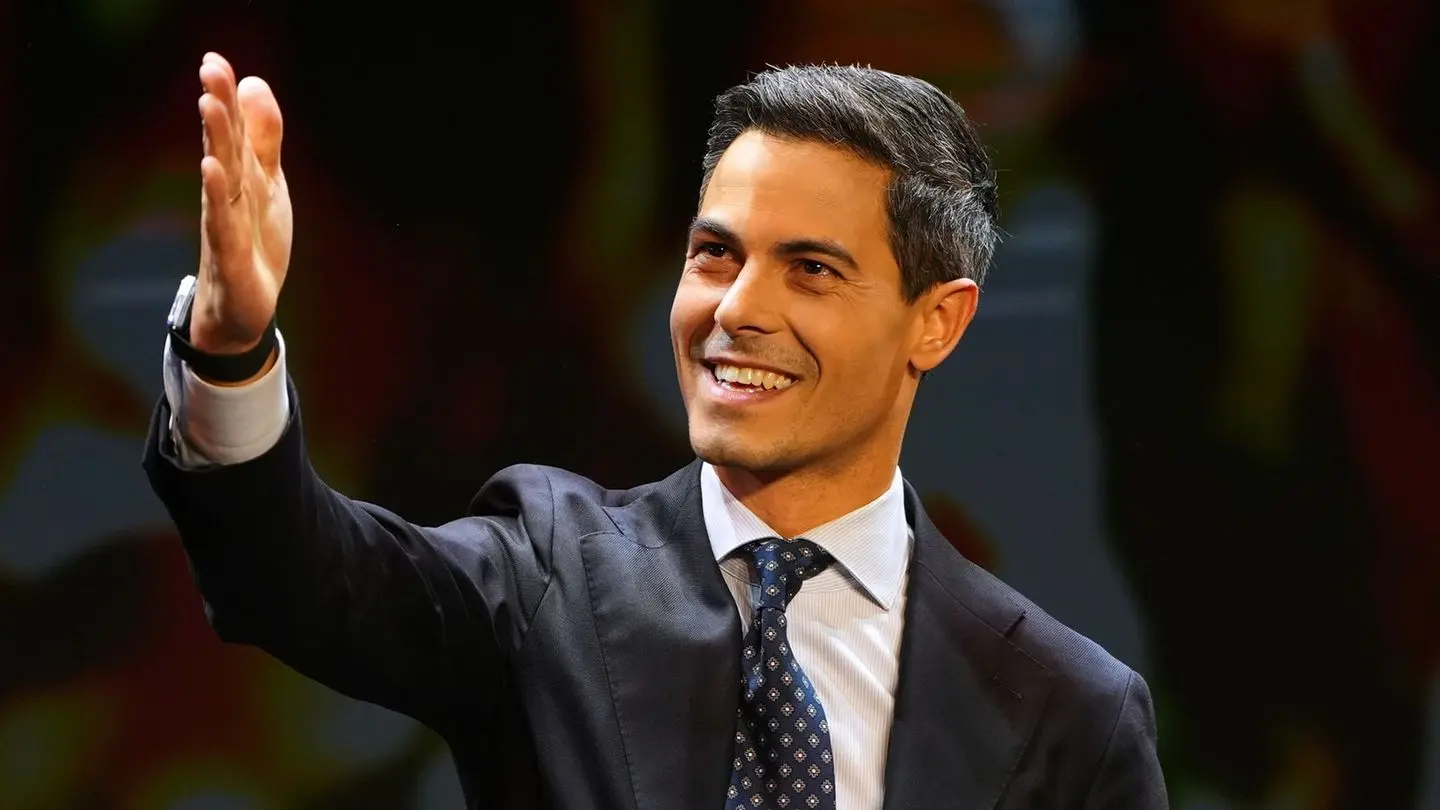
Rob Jetten, a notable figure in contemporary Dutch politics, has made significant contributions to the realm of climate advocacy and environmental policy. As the Minister for Climate and Energy in the cabinet led by Prime Minister Mark Rutte, Jetten’s role has become increasingly important as the Netherlands grapples with urgent climate challenges. His work not only impacts national environmental policies but also resonates on a global scale, underscoring the necessity for collective action against climate change.
Political Background
Born on March 25, 1987, in the Dutch city of Oss, Rob Jetten has been active in politics since his university days. He is a member of the Democrats 66 (D66) party, which emphasizes progressive values and sustainable development. Jetten was first elected to the Dutch House of Representatives in 2017, where he served as the party’s spokesperson on climate and energy issues. His ascent to the position of Minister for Climate and Energy in 2019 marked a pivotal moment in his career.
Significant Achievements
During his tenure as Minister, Jetten has championed various essential initiatives aimed at reducing greenhouse gas emissions and promoting renewable energy. The Dutch Climate Agreement, which seeks to cut national CO2 emissions by 49% by 2030, is one of his key projects. Furthermore, he has worked on expanding the use of wind and solar energy, making notable strides in the implementation of sustainable energy solutions across the Netherlands.
Jetten has also played a pivotal role in international climate discussions, representing the Netherlands at various global forums, including the COP26 in Glasgow. His advocacy for stronger EU climate policies and support for developing nations in their climate efforts has garnered attention and appreciation both domestically and abroad.
Recent Developments and Future Directions
As the world continues to experience the dire impacts of climate change, Jetten’s work remains critical. In recent months, he has responded to calls for urgent action, emphasizing the need to integrate climate strategies into recovery plans following the COVID-19 pandemic. Moreover, he has been pivotal in advocating for the European Green Deal, which aims to make Europe the first climate-neutral continent by 2050.
Conclusion
Rob Jetten’s influence as a climate advocate positions him as a crucial player in shaping both national and international environmental policies. As countries face mounting environmental challenges, his commitment to sustainability will be vital for forging pathways towards a more resilient and eco-friendly future. Observers anticipate that he will continue to be at the forefront of key climate initiatives, driving discussions that could redefine how nations approach their environmental responsibilities.