Introduction
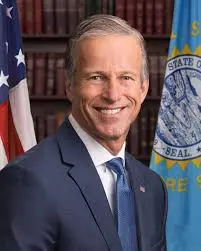
John Thune, a significant figure in American politics, has established himself as a leading voice in the U.S. Senate. As a Republican representing South Dakota, Thune’s career has been marked by his commitment to key legislative issues such as agriculture, healthcare, and national security. His influence in legislative matters and party dynamics makes understanding his role essential for those following current political trends.
Early Life and Political Ascent
Born on January 17, 1961, in Pierre, South Dakota, John Thune grew up on a cattle ranch. He earned his degree in economics from Biola University in 1983 and subsequently began his political journey as an intern for U.S. Senator Jim Abdnor. Thune served in the U.S. House of Representatives from 2002 to 2004, before winning a Senate seat in 2004 when he defeated incumbent Tom Daschle.
Tenure in the U.S. Senate
Since joining the Senate, Thune has focused on various legislative initiatives, particularly those impacting agriculture and rural communities, which resonate deeply in his home state. As the current Senate Minority Whip, he plays a crucial role in shaping party strategy and legislative priorities. Thune has been an advocate for tax reform, healthcare improvements, and national security measures, often collaborating with both Republican and Democratic senators to achieve bipartisan support on critical issues.
Notably, Thune’s leadership in the negotiations around the recent infrastructure bill underscored his ability to unite different factions within the Senate. His efforts contributed to an agreement that allocated substantial funding for transportation and broadband access, addressing long-standing needs in rural America.
Recent Developments
Recently, Thune has been vocal about the challenges facing the nation, including inflation concerns and economic recovery post-COVID-19. He has proposed various measures aimed at stabilizing prices and supporting small businesses. His insights into these pressing issues are invaluable as the Senate navigates a shifting political landscape.
Conclusion
John Thune’s enduring influence in U.S. politics stems from his deep understanding of both local and national issues, as well as his ability to forge meaningful compromises. As we look toward the future, Thune’s role in shaping policies will likely continue to evolve, making him a key figure to watch in the coming years. For voters and political observers alike, Thune’s legislative actions and party strategy will undoubtedly play a crucial part in the future direction of American governance.