Introduction
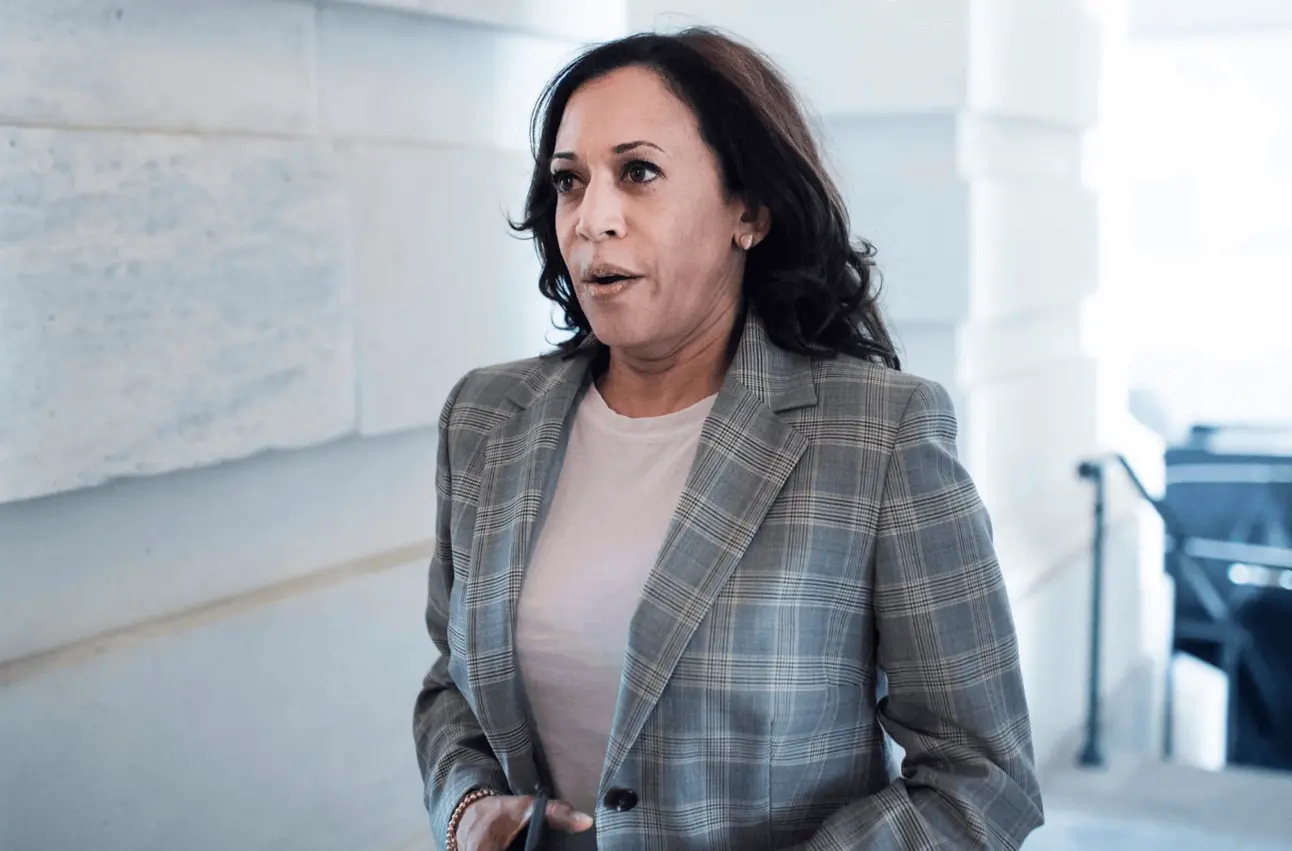
Kamala Harris, the first woman, first Black woman, and first person of South Asian descent to serve as Vice President of the United States, has made headlines since her election in 2020. Her ascent in U.S. politics is not only significant in terms of representation but also resonates deeply with ongoing discussions about equality, justice, and America’s future. As America navigates through complex social and political landscapes, Harris’s leadership is increasingly relevant.
Background and Career
Born on October 20, 1964, in Oakland, California, Kamala Harris is the daughter of immigrants—her father from Jamaica and her mother from India. Harris attended Howard University, an historically Black college, before obtaining her law degree from the University of California, Hastings College of the Law. Her career began in the Alameda County District Attorney’s Office before she gained prominence as the District Attorney of San Francisco and subsequently as the Attorney General of California.
Vice Presidency and Initiatives
As Vice President, Harris has focused on a range of issues, including immigration, climate change, and economic inequality. She has been an advocate for policies aimed at reducing poverty and increasing access to healthcare, education, and housing. Notably, she played a significant role in the Biden Administration’s push for the American Rescue Plan, which provided critical economic relief amid the COVID-19 pandemic.
Harris’s diplomatic efforts have also been noteworthy, particularly her role in strengthening relationships with Central American countries to address the root causes of migration. Her efforts emphasize her commitment to a holistic approach in resolving issues that affect vulnerable populations.
Recent Developments
As of 2023, Kamala Harris continues to be a prominent figure within the Democratic Party and is often seen as a potential candidate for the presidency in future elections. She has been actively addressing pressing issues like reproductive rights, especially in light of the recent Supreme Court decisions affecting them, and advocating for policies to combat climate change. Additionally, she has taken part in discussions about voting rights, emphasizing the importance of access to the ballot amidst various state-level restrictions.
Conclusion
Kamala Harris’s journey from her roots in California to the second-highest office in the United States serves as an inspiration to many. As she continues to tackle critical issues affecting Americans, her leadership and policy initiatives will likely shape the future of the Democratic Party and the nation. With her tenure still in its early stages, many are watching closely to see how her role will evolve in the coming years and what legacy she will ultimately leave behind.