Major Delays Reported
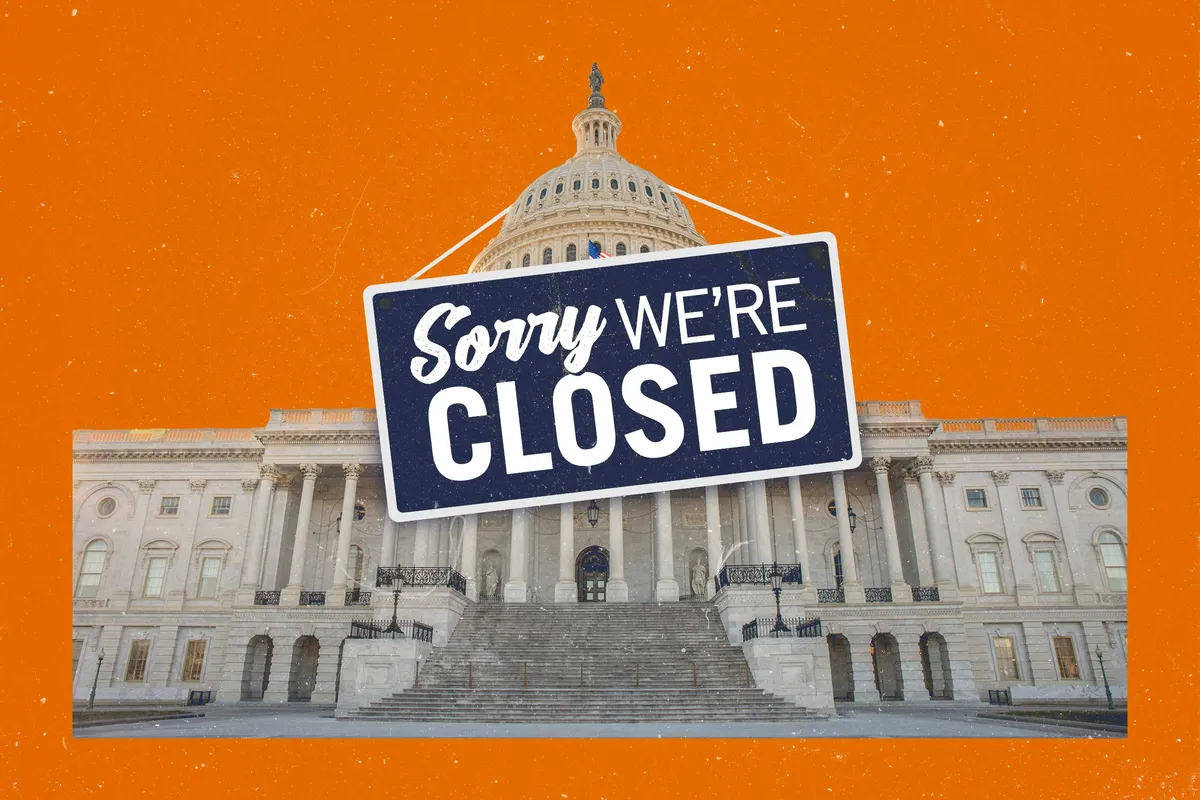
The partial government shutdown, which began on February 14, 2026, has resulted in significant disruptions at major airports, particularly affecting travelers in New Orleans, Houston, and Chicago.
At Louis Armstrong New Orleans International Airport, travelers have faced extreme delays, with airport officials advising passengers to arrive at least three hours before their scheduled departures. Reports indicate that some travelers have missed their flights due to the lengthy wait times.
In Houston, the situation is similarly dire, with travelers reporting waits of up to three hours to get through security lines. Some have been warned to arrive five hours ahead of their flights to avoid missing their departures.
Impact on Travelers
The Transportation Security Administration (TSA) agents have been working without pay since the shutdown began, contributing to the long security lines. New Orleans Mayor Helena Moreno has stated that the delays stem from a lack of funding for the Department of Homeland Security (DHS).
In Chicago, customs processing lines at O’Hare International Airport have stretched nearly the entire length of Terminal 5, further complicating travel plans for many. The ongoing delays have drawn frustration from travelers, with one New Orleans visitor expressing feelings of depression over the impact on their trip.
Political Blame Game
The DHS has placed blame on Democrats for not agreeing to funding bills, while Democrats counter that the federal government has failed to reach consensus on immigration enforcement policy reforms. This political impasse has left many travelers caught in the crossfire.
As the shutdown continues, the effects on air travel are becoming increasingly pronounced, with long lines and missed flights becoming a common experience for those attempting to travel during this period.
Details remain unconfirmed regarding the potential for resolution, but the situation remains fluid as both sides of the political spectrum continue to negotiate funding and policy reforms.