Introduction
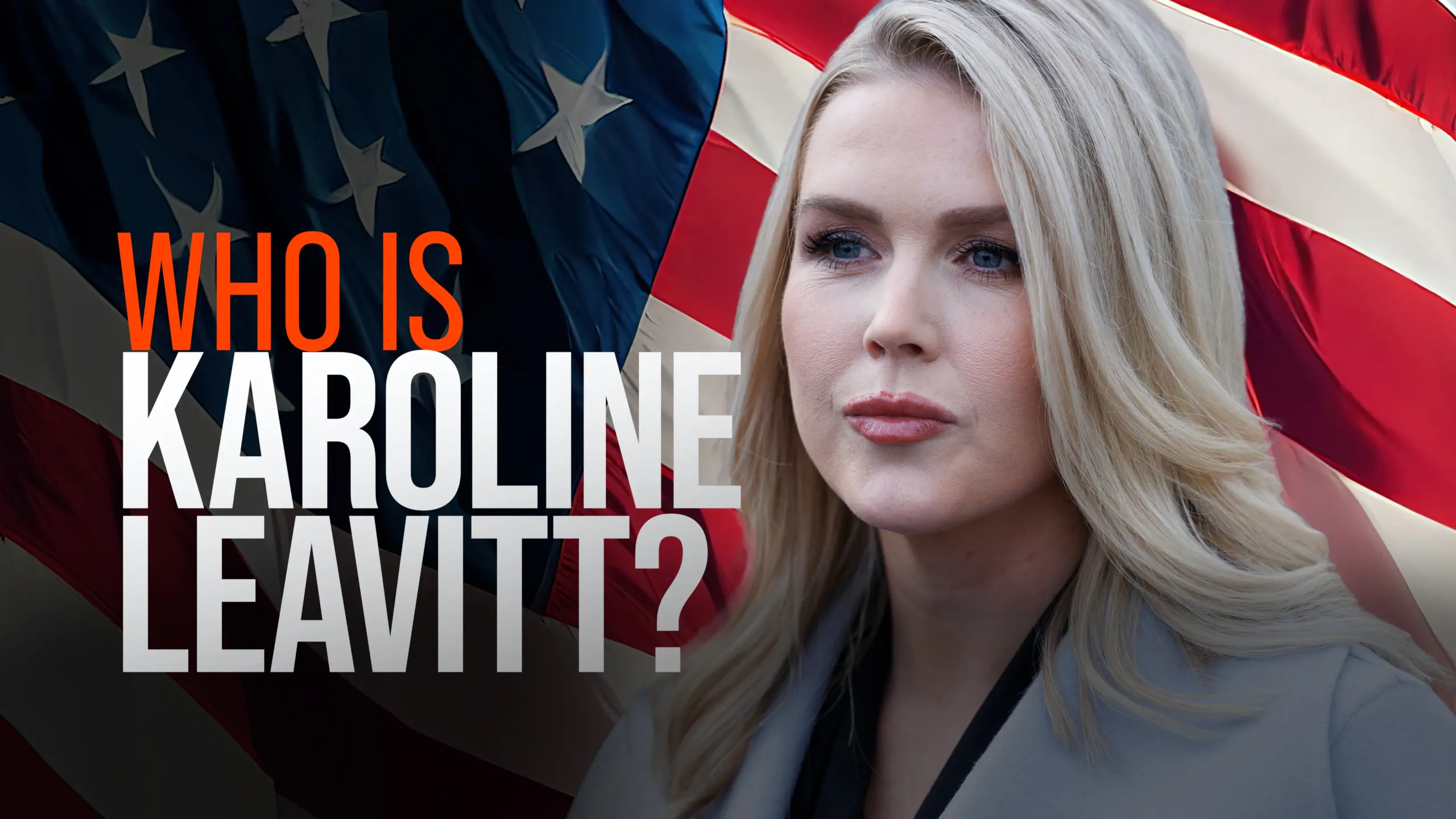
In recent years, Karoline Leavitt has emerged as a significant figure in New Hampshire’s political landscape. As a young conservative leader, her rise in politics represents not just her personal journey but also the shifting dynamics of the Republican Party in the state. As the youngest female candidate to run for Congress from New Hampshire, her aspirations reflect a growing trend of youth involvement in politics, making her story one that resonates with both young voters and seasoned political observers alike.
Background and Political Career
Leavitt, a graduate of the University of New Hampshire, began her political career working as a press secretary for the former President Donald Trump. This role not only offered her a platform to understand the intricacies of political communication but also to connect with influential figures within the GOP. In 2020, she stepped into the political ring herself, running for New Hampshire’s 1st Congressional District seat.
Although she narrowly lost the election, her campaign notably galvanized younger conservatives and highlighted key issues affecting her constituents, such as the economy, health care, and education. Leavitt’s message of fiscal responsibility and personal liberty resonated with many voters, establishing her as a key player to watch in future elections.
Recent Developments
In the wake of her congressional campaign, Leavitt has continued to engage with the community through various initiatives, including hosting town halls and engaging in grassroots movements across New Hampshire. Recently, she joined forces with other young Republican leaders to promote a platform focused on revitalizing the state’s economy and combating rising inflation. Her efforts have caught the attention of national Republican figures, and there are speculations about her potential candidacy for future office.
Impact and Significance
Karoline Leavitt’s influence in New Hampshire politics exemplifies a new generation of leaders who are passionate about engaging younger voters and addressing their concerns directly. By focusing on local issues and utilizing social media to connect with constituents, she has shown that traditional political methods can be adapted to resonate with the current electorate.
Conclusion
As Karoline Leavitt continues her journey in politics, her story serves as an inspiration for other young leaders looking to break into the political arena. With upcoming electoral processes, her impact on New Hampshire’s political scene could pave the way for further involvement of young conservatives in shaping the agenda of the Republican Party. The significance of her rise is clear: she symbolizes a shift towards a more inclusive, youth-oriented political dialogue that aims to address the issues facing today’s voters.