Introduction
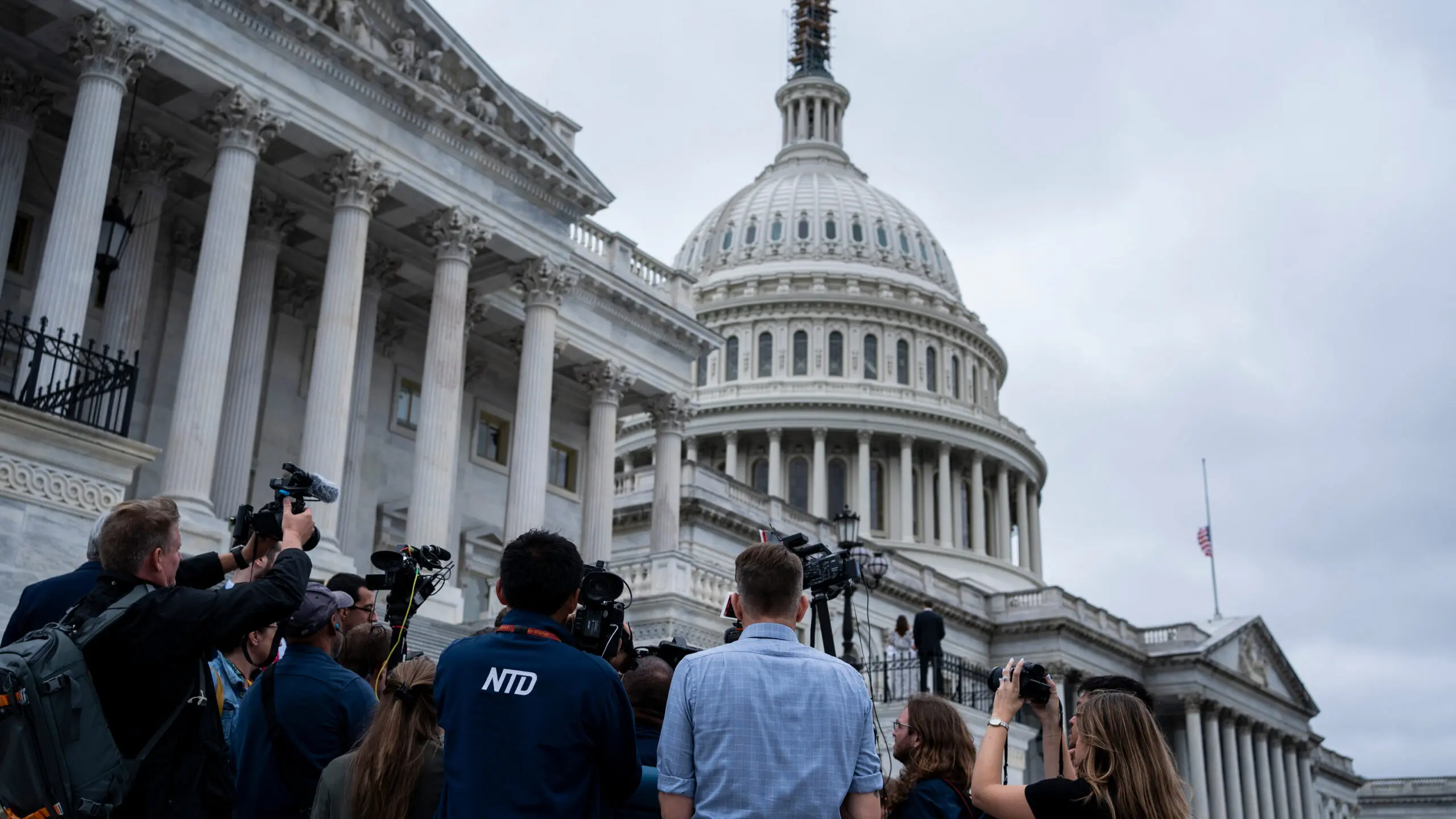
The prospect of a government shutdown in 2026 has become a topic of significant concern for citizens, lawmakers, and the economy alike. A government shutdown occurs when Congress fails to pass funding legislation for the federal government, leading to a halt in non-essential services. With potential implications on federal operations, employees, and economic stability, understanding the state of affairs regarding a possible shutdown is crucial.
Recent Developments
As of October 2023, Congress is grappling with a myriad of budgetary issues and partisan disagreements that raise questions about the federal budget for the upcoming fiscal year in 2026. The Democratic-controlled Senate and the Republican-led House have yet to reach a consensus on key issues, including appropriations levels and funding for programs, with critical deadlines approaching as the end of the year nears.
The National Association of Federal Employees has raised concerns over the potential impact on federal employees, noting that a government shutdown could affect over 2 million workers if essential services are scaled back. Additionally, previous government shutdowns have disrupted various sectors, raising economic alarm.
Moreover, the tensions between the two parties are reflected in their contrasting approaches to issues such as defense spending, healthcare, and social programs. While the Democrats advocate for increased funding for domestic programs, Republicans are calling for cuts, reflective of their fiscal policy priorities. Without a bipartisan solution, the risk of a government shutdown looms larger.
Implications for the Public
A government shutdown can have far-reaching consequences. Services like national parks, federal courts, and various agencies could face a temporary closure, impacting millions of Americans who rely on these services. Moreover, the economic ramifications extend beyond government employees, as businesses that depend on federal contracts and tourism will also feel the strain.
Conclusion
The government shutdown in 2026 is a pressing matter that requires immediate attention from lawmakers and citizens alike. With budgets still under negotiation and deadlines looming, it is imperative for both parties to engage in constructive dialogue to avoid a shutdown. As the situation develops, stakeholders from federal employees to everyday citizens must prepare for the potential ramifications. The coming months will be critical in determining whether the U.S. can avert another shutdown, affecting not only the government landscape but also the economy and public trust in federal institutions.