Introduction
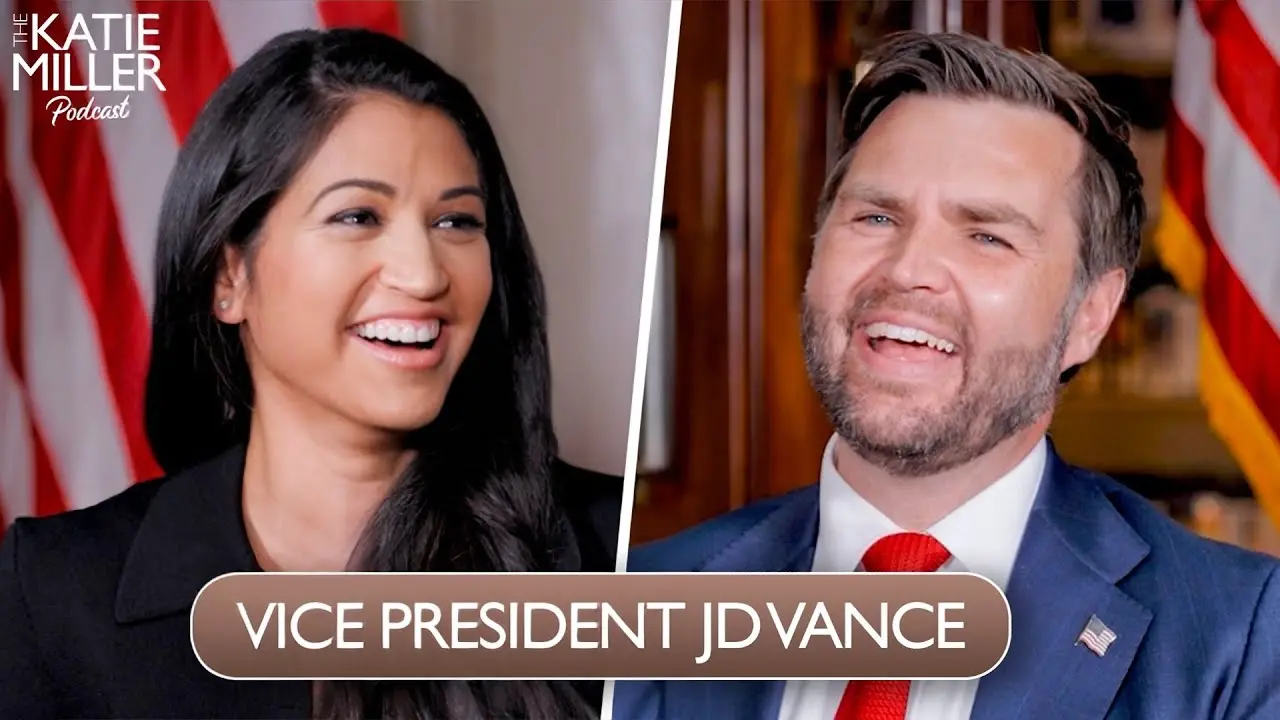
Katie Miller, known for her pivotal role in political communications, has increasingly become a significant figure in the Republican Party. With her background in strategic messaging and public affairs, Miller’s influence is being felt across various platforms and within key political circles. This article examines her rise, contributions, and the implications of her work in today’s political landscape.
Background and Career
Katie Miller was born and raised in Virginia and graduated from the University of Arizona with a degree in communication. She began her political career as a press assistant and quickly climbed the ranks due to her dedication and ability to craft compelling narratives. Most notably, she served as the Deputy Press Secretary for the Trump administration, where she was recognized for her skills in handling tough questions while promoting the administration’s policies. After the administration ended, Miller continued her work in political communication, taking on roles in various Republican campaigns.
Recent Developments
As of late 2023, Miller has actively contributed to multiple political campaigns, most notably as a consultant and advisor for Republican candidates leading into the mid-term elections. Her strategies focusing on social media engagement and grassroots mobilization have gained attention and are seen as vital components for success in the current political environment. Additionally, she has been involved in training emerging political communicators, emphasizing the importance of transparency and authenticity.
Significance of Katie Miller’s Work
Katie Miller’s approach to political communication represents a shift towards more relatable and direct interactions with voters. With the increased reliance on digital media for campaign strategies, her influence can shape the way future political figures engage with the public. Her emphasis on using platforms like Twitter and Instagram reflects changing dynamics in voter communication, especially among younger demographics. Moreover, Miller’s participation in key discussions on policy and strategy underscores her growing importance in the ongoing narrative of American politics.
Conclusion
As America approaches significant elections, Katie Miller’s role will likely continue to evolve. Her ability to adapt to the fast-paced political climate and her strategic insights position her as a vital player in shaping not just political campaigns, but also the broader dialogue around Republican values and messaging. Observers will be keen to see how her influence unfolds in the coming months and what it may mean for the future of political communications.