Introduction
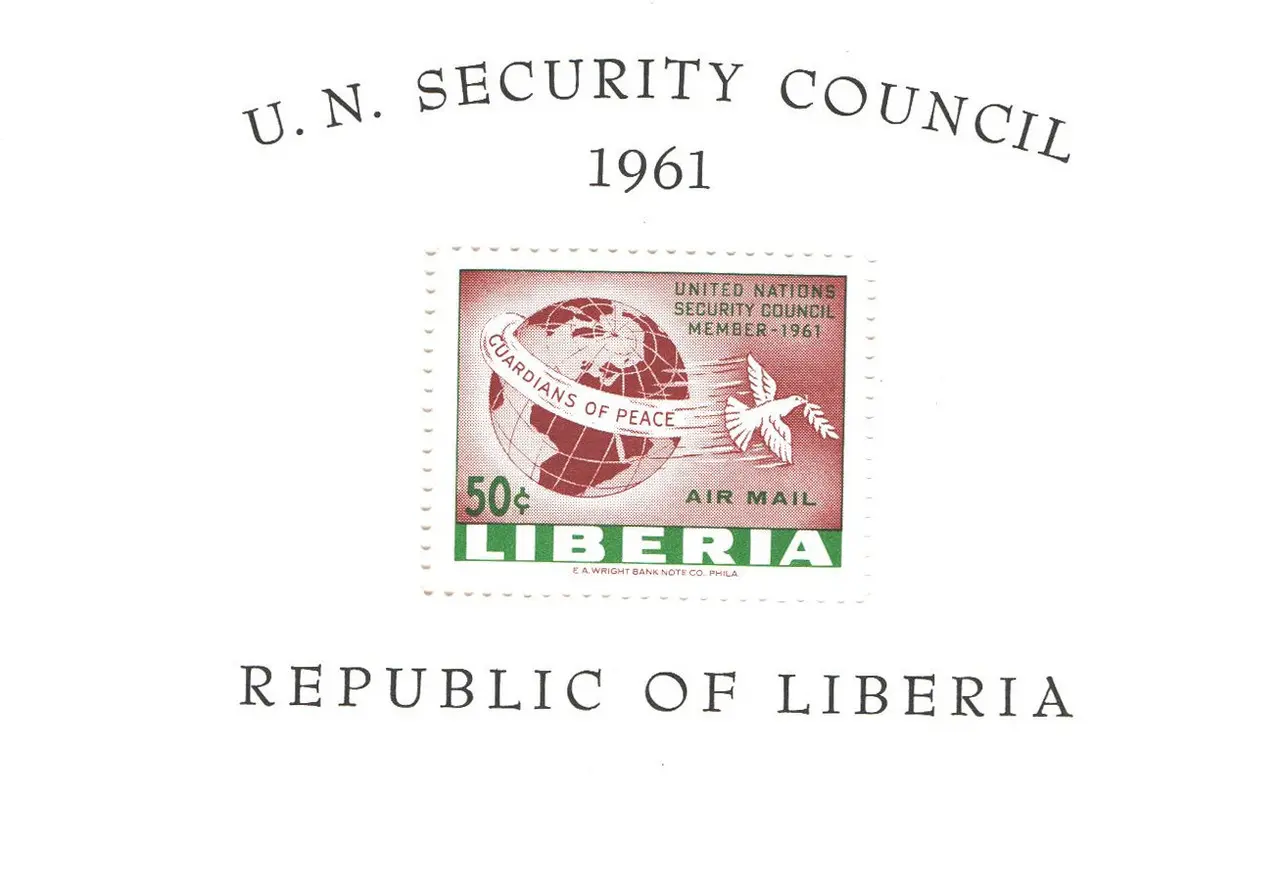
Liberia, a country on the west coast of Africa, is notable for its rich history and cultural diversity. With a population of over 5 million, it has faced numerous challenges including civil conflict and economic instability. Recently, developments in Liberia’s political, economic, and social landscapes have drawn attention both locally and internationally, showcasing the resilience of its citizens.
Political Landscape
In recent months, Liberia has been gearing up for its upcoming presidential elections scheduled for October 2023. The incumbent, President George Weah, is seeking re-election amidst criticisms regarding governance and corruption. Striving to address these concerns, the Liberian government has implemented various reforms aimed at improving transparency and accountability. Political analysts suggest a crowded race with potential challenges for the ruling party as opposition factions unite.
Economic Developments
The economic situation in Liberia remains precarious. Following the impact of the COVID-19 pandemic, the government has intensified efforts to attract foreign investment and stimulate local businesses. In 2023, the World Bank has approved a $50 million funding package aimed at enhancing infrastructure and creating job opportunities in sectors such as agriculture and mining.
Moreover, the rubber and palm oil industries, vital for Liberia’s foreign exchange earnings, are facing sustainability challenges, prompting shifts towards more eco-friendly practices.
Social Progress and Challenges
On the social front, Liberia continues to make strides in health and education. Efforts to combat maternal and child mortality have seen improvements, with international organizations actively collaborating with local NGOs to provide essential services. However, challenges remain, including high rates of youth unemployment and inadequate access to quality education and healthcare facilities. The international community has emphasized the importance of addressing these issues to foster long-term stability.
Conclusion
As Liberia navigates its path towards a more democratic and prosperous future, the developments happening now are crucial. The upcoming elections, economic reforms, and social initiatives will shape the nation’s future and affect its relationship with the global community. For the citizens of Liberia, addressing the historical challenges while embracing opportunities for growth is vital as they strive for a brighter tomorrow.