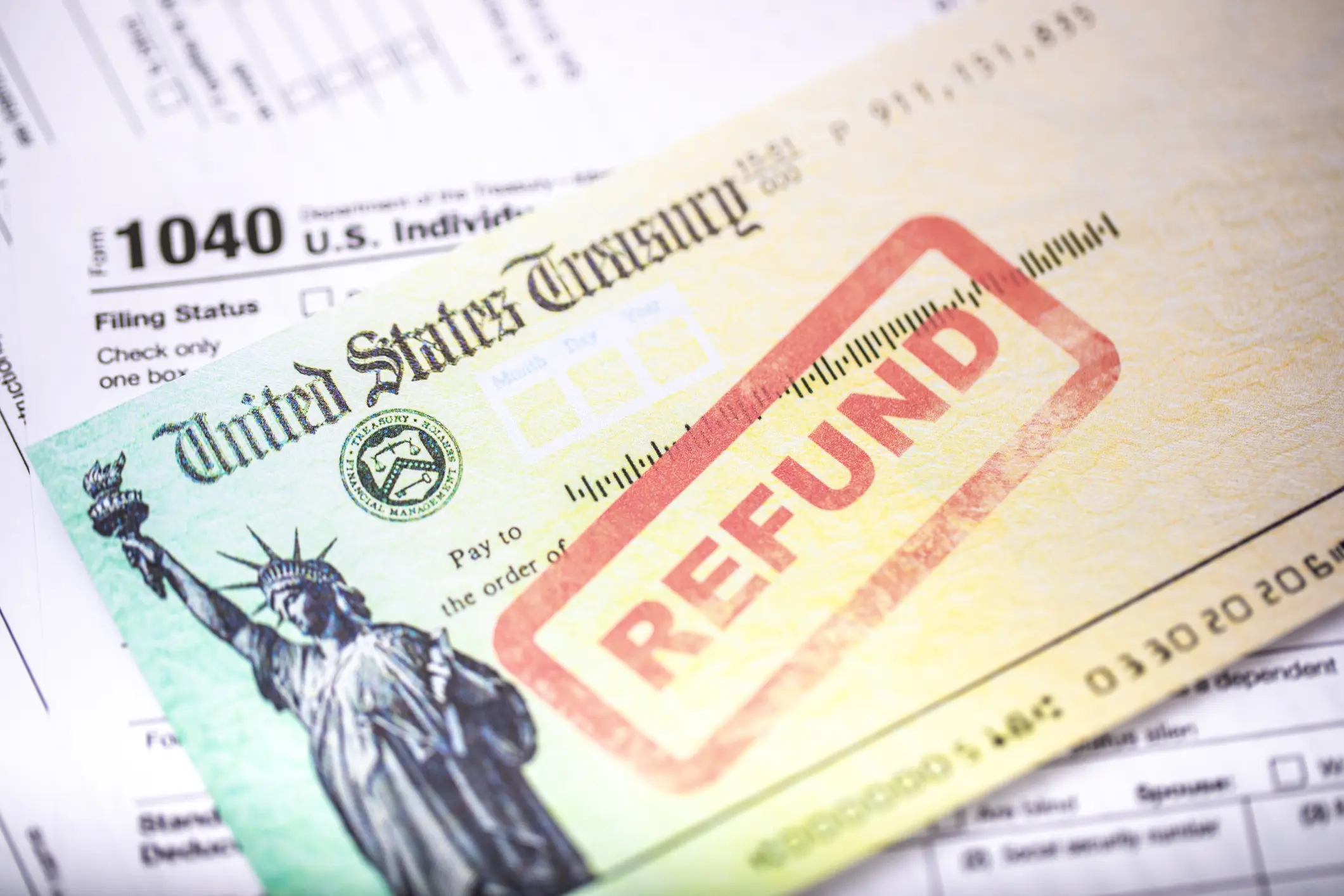
The IRS is preparing for the upcoming tax season, with the federal tax deadline for 2026 set for April 15. This date is crucial for millions of taxpayers who must file their returns or request an extension to avoid penalties. As the tax season approaches, individuals and businesses alike are gearing up to meet their obligations.
On January 26, 2026, the IRS will begin accepting tax returns, allowing taxpayers to file their 2025 returns. For those living outside the U.S. and Puerto Rico, an automatic two-month extension is available, moving the deadline to June 15. This provision is particularly important for U.S. citizens and resident aliens who may be abroad on the regular due date.
Taxpayers must ensure that electronic returns are submitted by 11:59 p.m. local time on the deadline, while paper returns must be postmarked by April 15. For those who cannot file their returns by this date, it is advisable to request a six-month extension, which would move their filing deadline to October 15, 2026. However, it is essential to note that an extension to file does not extend the time to pay any taxes owed.
Failure to file a federal tax return on time can result in significant penalties. The standard penalty is 5% of any tax due for each month the return is late, up to a maximum of 25% of the unpaid balance. Taxpayers are encouraged to file on time to avoid these penalties and ensure compliance with IRS regulations.
For those expecting a refund, the IRS reports that most refunds are issued in fewer than three weeks if filed electronically and using direct deposit. The average refund for the current filing season is approximately $3,521. Taxpayers can track their refunds using the IRS ‘Where’s My Refund?’ tool, which provides updates on the status of their refunds.
As the tax deadline approaches, it is crucial for taxpayers to stay informed about their filing requirements and deadlines. With around 150 million individual returns processed by the IRS each year, it is vital to understand the implications of filing late or requesting extensions. Approximately 90% of taxpayers are expected to file electronically, streamlining the process and reducing the likelihood of errors.
In summary, the last day to file taxes for 2026 is April 15, with options for extensions available for those who need additional time. Taxpayers should be aware of the penalties for late filing and the importance of timely submissions to avoid unnecessary fees. As the IRS gears up for the tax season, individuals are encouraged to prepare early and stay informed about their obligations.