Introduction
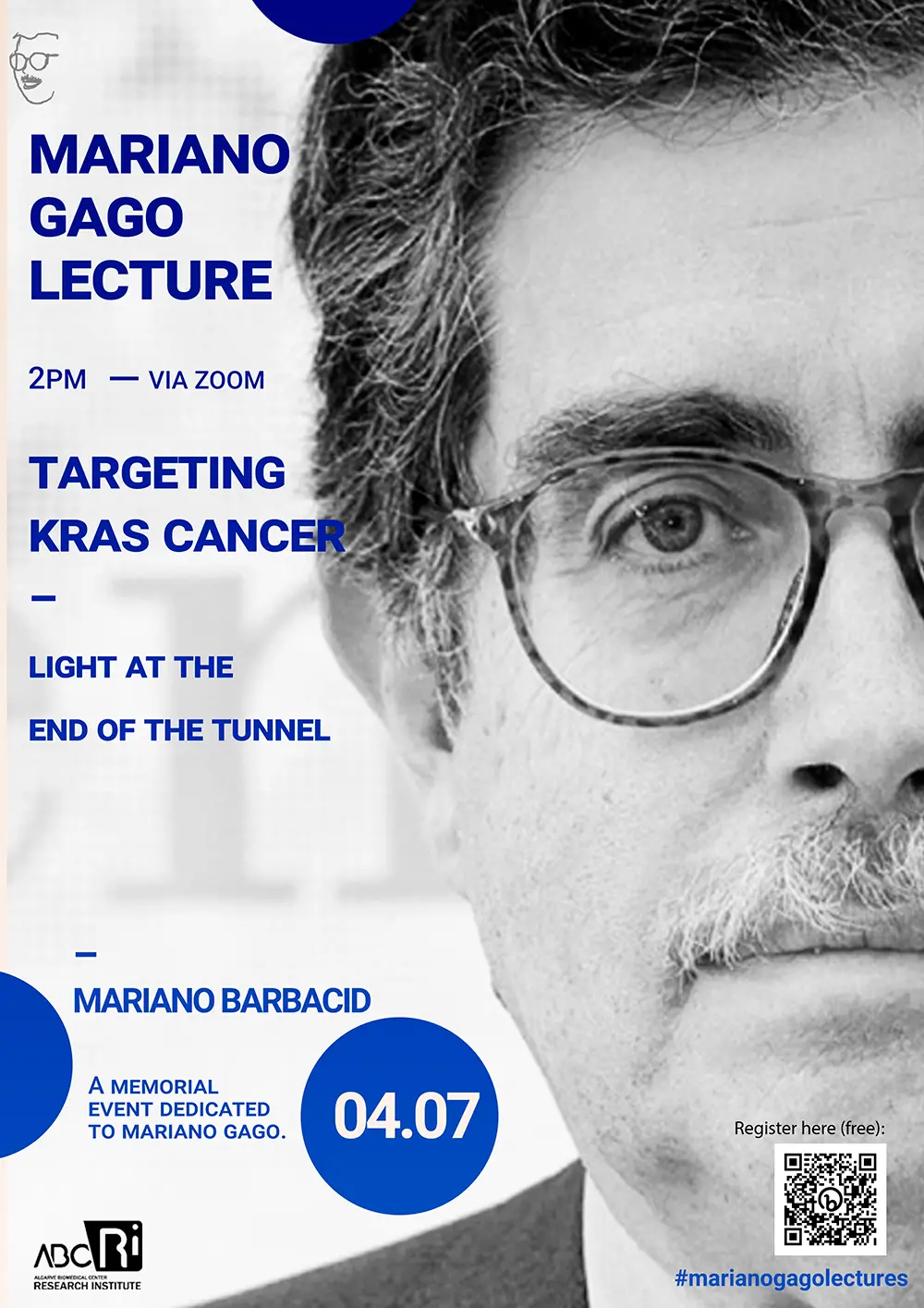
Mariano Barbacid is a prominent figure in cancer research, known for his groundbreaking work in oncology. His research has paved the way for the development of cancer therapies that have benefitted patients worldwide. As the fight against cancer continues, understanding the contributions of leading scientists like Barbacid is essential for recognizing the advancements made in the field.
Background of Mariano Barbacid
Born in 1949 in Madrid, Spain, Mariano Barbacid has dedicated his career to unraveling the complexities of cancer biology. He completed his Ph.D. at the Autonomous University of Madrid and gained recognition for isolating the first human oncogene, a discovery that laid the foundation for modern cancer research. His work has significantly influenced how scientists understand the molecular mechanisms behind cancer development.
Significant Contributions to Oncology
Barbacid’s research has led to major breakthroughs in targeted therapies. His identification of genetic mutations that drive cancer has spurred the development of innovative treatments that specifically target those mutations. In the early 1990s, his team’s work on receptor tyrosine kinases opened new avenues for therapeutic intervention.
Current Work and Impact
Today, Barbacid is the director of the National Cancer Research Centre (CNIO) in Madrid, where he continues to lead significant research efforts. His laboratory focuses on understanding the genetic and epigenetic aspects of cancer, aiming to translate these findings into clinical applications. Recently, Barbacid has also expressed interest in the effects of the tumor microenvironment on cancer progression and therapy resistance.
Conclusion
Mariano Barbacid’s contributions to cancer research have had profound implications on our understanding and treatment of this complex disease. As cancer remains a leading cause of mortality worldwide, the importance of ongoing research cannot be overstated. The work of researchers like Barbacid is essential in developing more effective, targeted treatments that will improve patient outcomes in the future. His legacy continues to inspire a new generation of scientists in the fight against cancer.