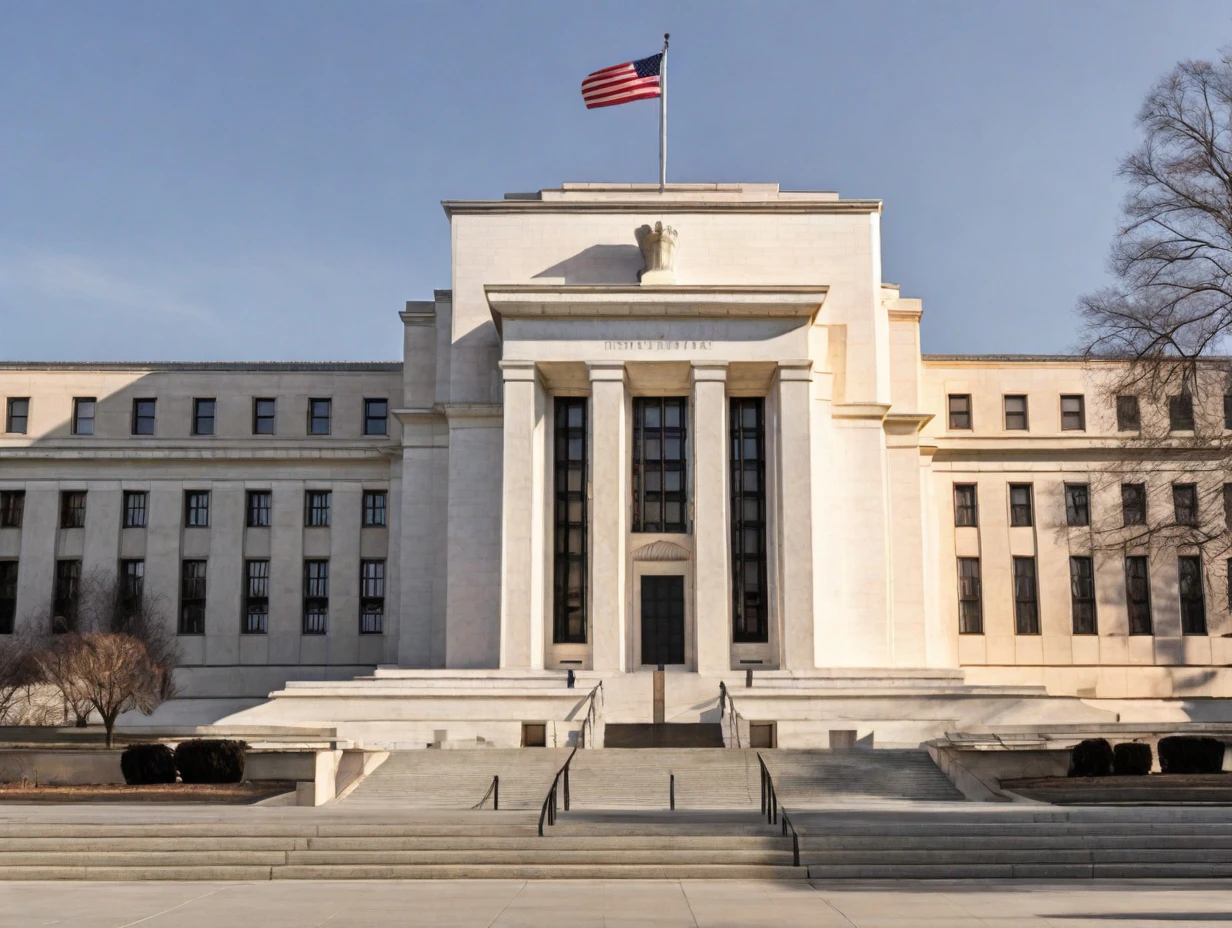
Introduction
The Federal Reserve’s interest rate cuts have significant implications for the U.S. economy. As inflation pressures and economic growth are assessed, these cuts are a tool used by the central bank to stimulate the economy. The relevance of these actions has become increasingly prominent as the nation navigates economic uncertainties, particularly in the wake of a global pandemic and geopolitical tensions.
Recent Events
In its latest policy meeting, the Federal Reserve cut interest rates by a quarter percentage point, bringing the federal funds rate to a range of 2.00% to 2.25%. This decision reflects the Federal Reserve’s commitment to fostering economic growth amid mixed economic signals. In recent months, inflation had begun to stabilize, yet concerns about slowing growth prompted the need for such an adjustment. This marks the third interest rate cut in the past year, signaling a shift from a tightening monetary policy to a more accommodative stance.
Impact on the Economy
Lowering interest rates aims to encourage borrowing and investing. For consumers, this means lower rates on mortgages, car loans, and credit cards, which can lead to increased spending. For businesses, reduced borrowing costs can drive expansion, innovation, and job creation. However, there are concerns about potential inflationary pressures, as prolonged low rates could lead to excessive risk-taking in financial markets. Additionally, the effectiveness of these cuts in spurring growth remains a topic of debate among economists, particularly with regard to external factors such as trade tensions and global market volatility.
Conclusion
The Federal Reserve’s interest rate cuts are a critical tool for navigating today’s complex economic landscape. As inflation remains contained and growth projections show signs of slowing, careful observation is needed to assess the long-term consequences of these monetary policy changes. Financial experts predict that additional cuts may be on the horizon if the economic conditions fail to show significant improvement. For consumers and businesses alike, understanding these changes and their potential impacts can be essential for planning future financial decisions.