Introduction
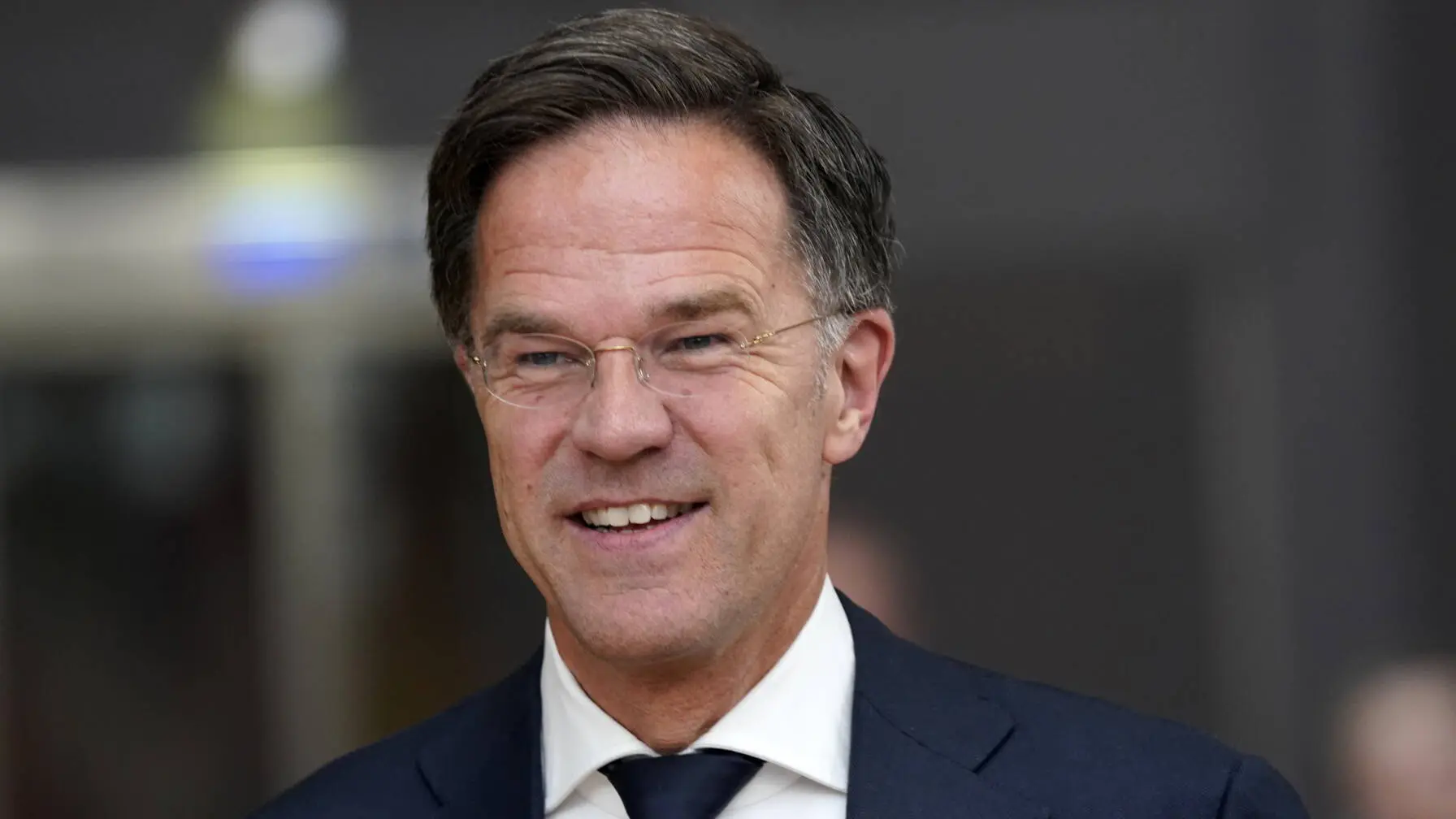
Mark Rutte has been a pivotal figure in Dutch and European politics, serving as the Prime Minister of the Netherlands since 2010. His leadership has been marked by both significant reforms and challenges. As one of the longest-serving leaders in Europe, Rutte’s approach to governance and his influence on international relations are subjects of increasing relevance, particularly in light of recent global events and ongoing political discussions within the EU.
Political Landscape and Reforms
During Mark Rutte’s tenure, he has navigated through various challenges, including economic crises, the refugee crisis, and the ongoing pandemic. His government has focused on fiscal responsibility and economic stability, advocating reforms in healthcare and education. Under his leadership, the Netherlands has made strides in sustainability, particularly through investments in green technology and renewable energy.
The 2021 elections in the Netherlands resulted in a coalition government led by Rutte’s People’s Party for Freedom and Democracy (VVD). This coalition, which includes parties from across the political spectrum, has aimed to foster stability and continuity in governance amid a rapidly changing political landscape. Rutte’s adeptness in coalition building has been critical in maintaining a functioning government.
Impact on International Relations
Mark Rutte’s role extends beyond domestic issues; he is a respected voice in European Union matters. His commitment to EU unity has been tested during Brexit and the ongoing geopolitical tensions with Russia. Rutte has advocated for a strong European response to these challenges, emphasizing collective security and economic cooperation among member states.
Recently, Rutte has also taken a stand on climate issues, making it clear that the Netherlands will play an active role in European climate policies. His leadership during the COP26 summit highlighted the importance of international collaboration in addressing climate change.
Conclusion
As we look towards the future, the significance of Mark Rutte’s leadership will continue to manifest in both national and international dimensions. His ability to navigate complex political terrains while fostering economic growth and sustainability will be crucial for the Netherlands and the EU. Analysts predict that he will maintain a prominent role in European politics, shaping policies that respond to both current crises and future challenges. With general elections anticipated in the coming years, Rutte’s approach and adaptability will be vital as he seeks to address the evolving priorities of Dutch citizens while maintaining strong ties within the European community.