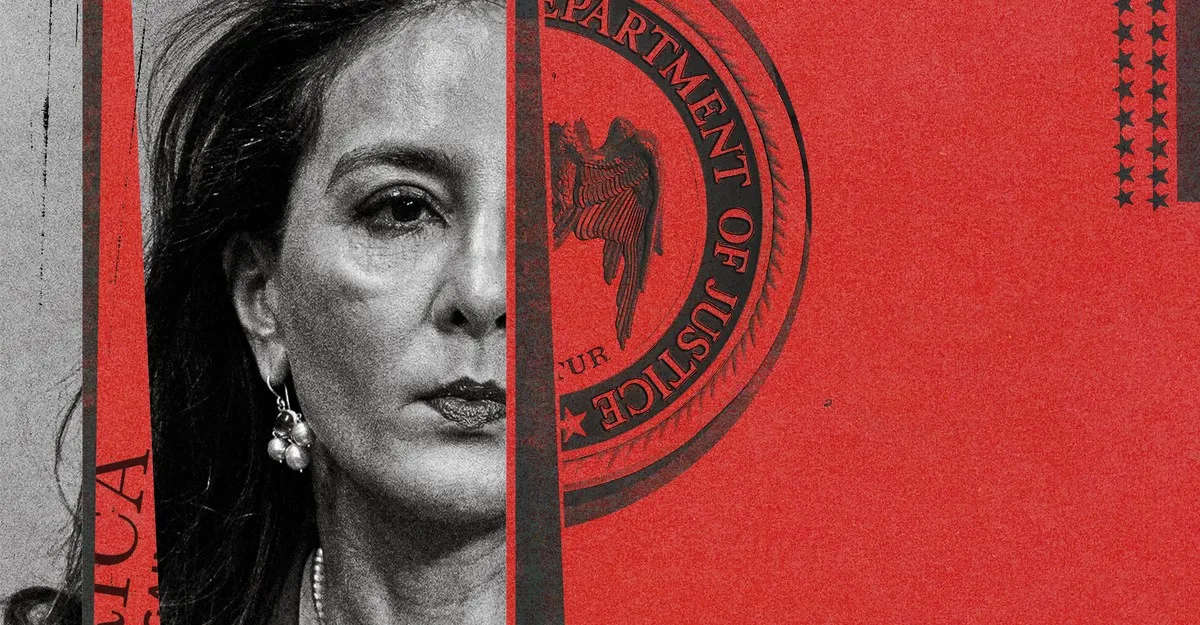
The Civil Rights Division has historically been responsible for protecting and defending individuals in positions of powerlessness. Under the leadership of Harmeet Dhillon, who serves as the Assistant Attorney General for Civil Rights, the division has undergone significant changes, which have drawn both support and criticism. Dhillon, appointed during the Trump administration, has been vocal about her vision to reshape the division, emphasizing a focus on enforcing federal civil rights laws rather than what she describes as “woke ideology.”
Since her appointment, Dhillon has faced scrutiny for her approach to civil rights enforcement. Critics argue that her leadership has led to a significant departure of staff from the Civil Rights Division, with reports indicating that nearly 400 of the 700 staff members had left by January 2025. This exodus includes a staggering 76 percent of employees in leadership roles, raising concerns about the division’s ability to fulfill its mission effectively.
In a statement reflecting her perspective, Dhillon remarked, “Under President Trump’s leadership, we have a generational opportunity for a reformation.” This sentiment has resonated with some supporters who believe that her approach is necessary for a fundamental change in how civil rights are enforced in the United States. However, many former employees and civil rights advocates have expressed alarm over the implications of her policies and the loss of experienced personnel.
Adding to the controversy surrounding Dhillon’s tenure, she recently terminated a settlement aimed at improving sanitation in Lowndes County, Alabama, a decision that has drawn criticism from various advocacy groups. The settlement was intended to address longstanding issues of inadequate sanitation affecting residents, particularly in marginalized communities. Dhillon’s actions have prompted questions about the division’s commitment to addressing systemic inequalities.
In a related incident, the Department of Justice has opened an investigation into an alleged assault against journalist Savanah Hernandez during a protest. The incident has led to the arrest of three individuals for the assault and another for obstruction with force against a deputy officer. Dhillon confirmed her awareness of the situation by retweeting a post that stated the FBI was investigating the alleged assault, highlighting her engagement with ongoing civil rights issues.
As the Civil Rights Division continues to navigate these challenges, observers are closely monitoring the impact of Dhillon’s leadership on civil rights enforcement across the country. While Dhillon has articulated a vision for a permanent change in the division, the significant staff turnover and controversial decisions raise questions about the future direction of civil rights protections under her guidance.
Looking ahead, the ongoing investigations and public scrutiny of the Civil Rights Division will likely shape the discourse around civil rights enforcement in the United States. As the division grapples with its evolving identity under Dhillon’s leadership, the implications for civil rights advocacy and enforcement remain to be seen.