Introduction
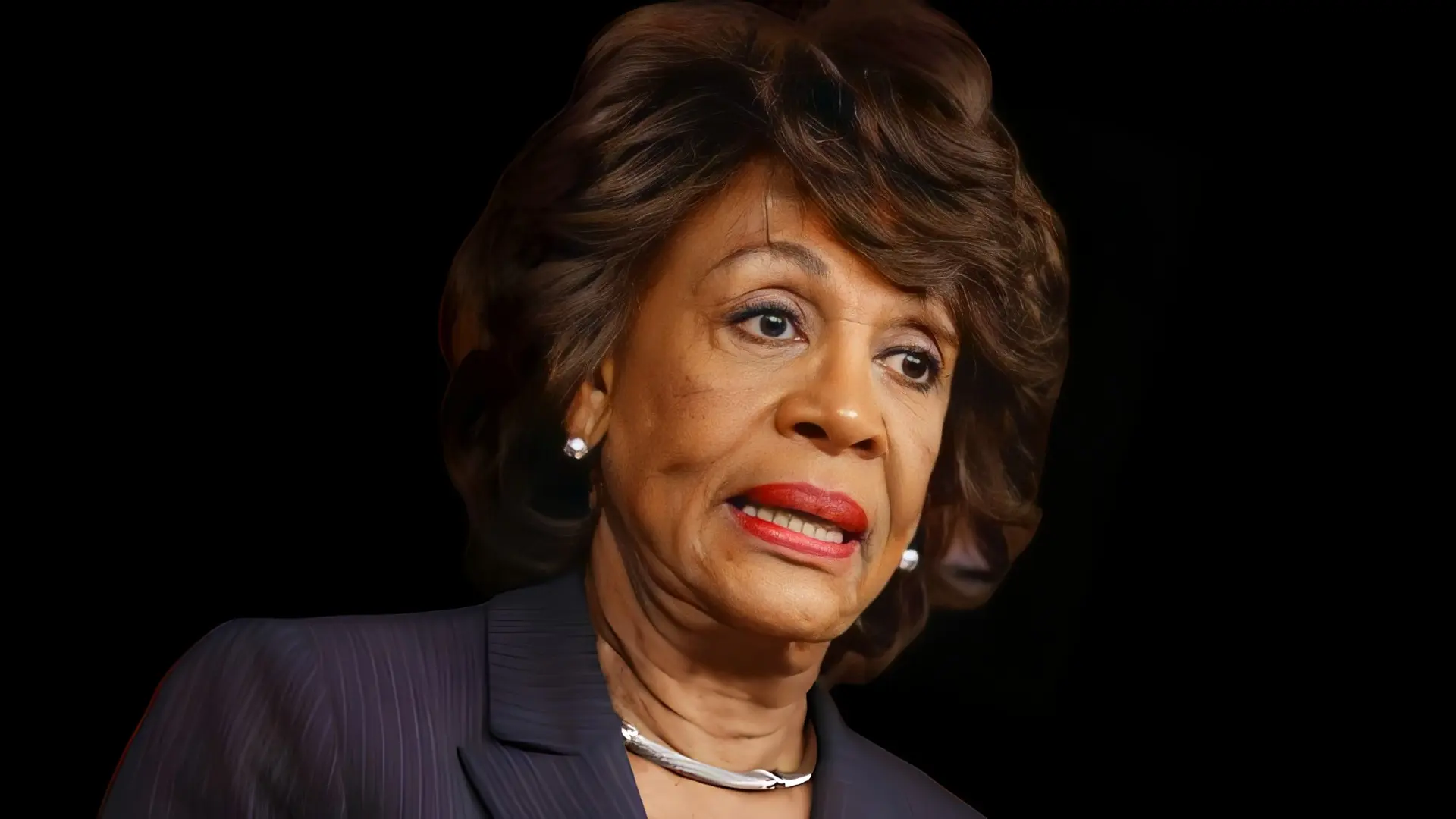
Maxine Waters, a long-serving member of the United States House of Representatives, has been an influential figure in American politics since her election in 1990. As one of the first African American women to serve in Congress, Waters has utilized her platform to champion important issues such as economic equality, civil rights, and social justice. Her unwavering commitment to these causes has solidified her position as a prominent voice in legislative matters, making her relevance undeniable in today’s political landscape.
Political Career and Achievements
Waters represents California’s 43rd congressional district, with an area that includes parts of Los Angeles. Throughout her tenure, she has served on various committees, including Financial Services, where she has been instrumental in advocating for regulations that protect consumers and promote economic equity. Waters gained national prominence during the financial crisis of 2008, using her position to fight against Wall Street abuses and pushing for legislative reforms that would benefit everyday Americans.
In recent years, Waters has also been a fierce critic of the Trump administration, famously calling for his impeachment, a move that drew both ire and support from political circles. Her passionate speeches have gained significant media coverage, further elevating her profile and highlighting the issues she stands for.
Recent Events and Continuing Influence
As of late 2023, Waters continues to be an advocate for essential issues, including affordable housing, healthcare access, and voting rights. Her recent efforts have been focused on addressing the ongoing economic disparities exacerbated by the COVID-19 pandemic. Waters has actively participated in community engagement initiatives to educate and empower her constituents on various social issues and voter participation.
Furthermore, Waters has advocated for climate justice and the need to address systemic racism within environmental policies. Her recent statements at congressional hearings emphasize the importance of equity in federal climate action, showcasing her continued commitment to addressing intersectional issues.
Conclusion
Maxine Waters remains a significant figure in U.S. politics, and her work will undoubtedly influence future generations of leaders and activists. As she continues to advocate for oppressed communities and challenge systemic injustices, her impact will be felt in Congress and beyond. For readers, understanding Waters’ political journey offers insights into the evolution of representation in American politics, highlighting how individual legislators can effect change through relentless advocacy.