Introduction
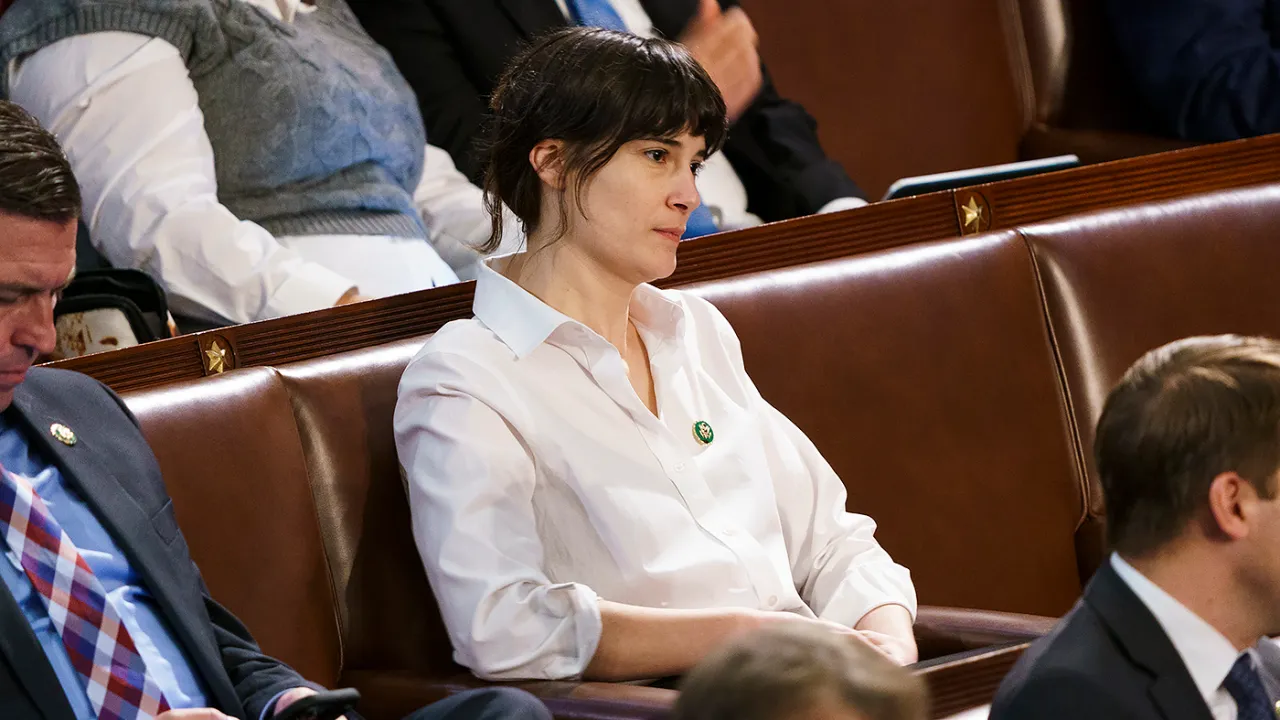
Marie Gluesenkamp Perez, a prominent name in contemporary American politics, continues to gain recognition as an advocate for progressive values and grassroots initiatives. Her recent election to the U.S. House of Representatives marked a pivotal moment, not just for her career but also for the communities she represents. Understanding her journey and policies is crucial as they reflect the changing dynamics within the political landscape of the United States.
Early Life and Career
Born and raised in Washington State, Perez comes from a family of immigrants, which profoundly shapes her perspectives on issues like immigration reform and economic equity. She established herself as a successful small business owner prior to entering politics, which gives her a unique insight into the challenges faced by local entrepreneurs. Her experiences fostered her dedication to advocating for policies that support small businesses and local development.
Political Engagement
In 2022, Gluesenkamp Perez won a competitive election race, securing her seat in Congress with a platform focused on working-class issues, healthcare access, and environmental sustainability. She aims to bridge the gap between urban and rural concerns, emphasizing the importance of representation for all community voices. During her campaign, she actively engaged with constituents, using social media platforms and community events to build a strong grassroots following.
Current Legislative Focus
Since taking office, Gluesenkamp Perez has been part of various key legislative discussions. Notably, she has advocated for expanded access to healthcare and economic development initiatives aimed at rejuvenating struggling communities. She is also a staunch proponent of addressing climate change through sustainable practices and investment in clean energy, aligning her efforts with the growing demand for serious environmental policies.
Conclusion
As Marie Gluesenkamp Perez continues her journey in Congress, her influence is expected to grow. Her commitment to grassroots activism and representation of working-class families speaks to a larger trend in American politics—a shift toward leaders who prioritize community over corporate interests. For readers, staying informed about her policies and initiatives may be essential, not just for those in her district but for anyone invested in a more equitable future. As she navigates the complexities of Washington D.C., her role exemplifies the ongoing evolution of political representation in America.