Introduction
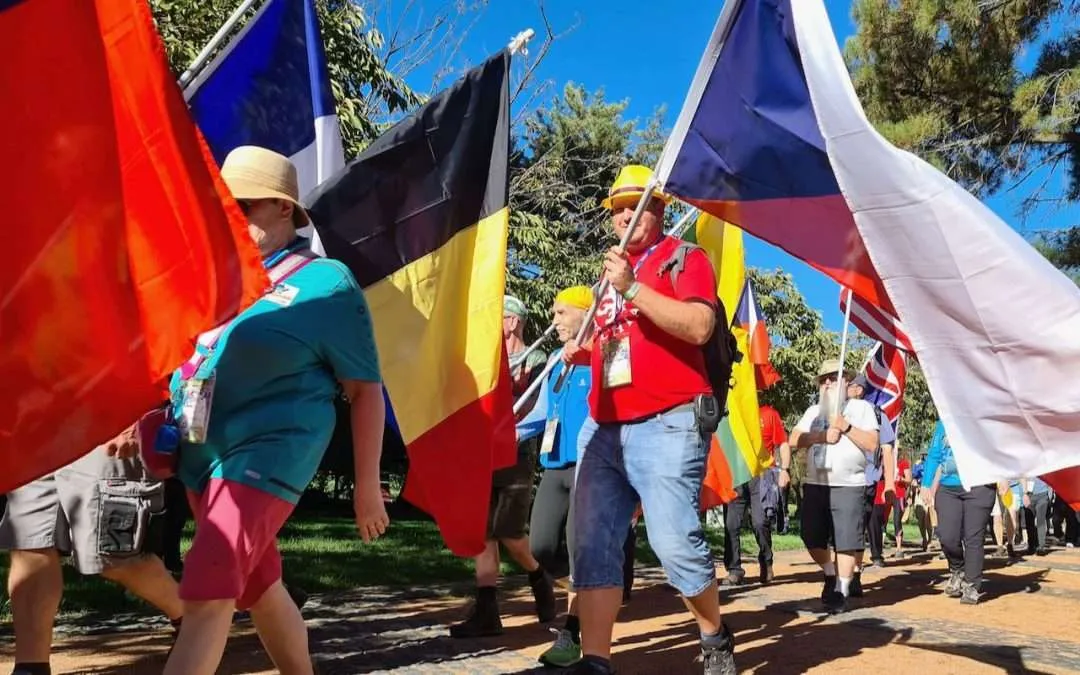
The ‘Walk for Peace’ initiative has emerged as a vital movement aimed at fostering peace and unity in a time characterized by conflict and division. This global series of events brings together individuals from diverse backgrounds, encouraging them to march for reconciliation, understanding, and harmony. As millions face the repercussions of war, violence, and social unrest, these walks serve as a reminder of humanity’s capacity for goodwill and solidarity.
Current Events and Participation
In recent months, cities across the globe, including New York, London, and Tokyo, have hosted their versions of the ‘Walk for Peace.’ Each event attracts thousands of participants from various walks of life, unified in their desire to highlight the importance of peace. For instance, the New York event on September 21, which coincided with the International Day of Peace, saw over 5,000 attendees. Notable speakers, including activists and community leaders, addressed the crowd, sharing personal stories of hope and resilience. The event also featured cultural performances, symbolizing the richness of diversity as a strength for peace.
In addition, community organizations and non-profits play a crucial role in organizing these walks. They promote education and advocacy about the underlying issues driving conflict, such as poverty, inequality, and injustice. This year, many walks have focused on climate change as a peace issue, drawing attention to how environmental degradation exacerbates conflict.
Significance and Future Outlook
The walk for peace movement’s significance lies not only in raising awareness but also in fostering dialogue among participants. It encourages individuals to share their experiences and perspectives, bridging gaps between communities. As this movement gains momentum, there is hope for increased collaboration among organizations focused on building sustainable peace. Continued support from local governments and international bodies could lead to expanded events and engagement efforts.
As we move forward, the forecast for the ‘Walk for Peace’ initiative appears positive. With increasing societal focus on mental health and community well-being, the importance of peace as a foundational element of a functional society has never been clearer. More people are likely to recognize the impact of collective action, leading to greater participation in future walks and events. As communities march forward together for peace, they demonstrate the undeniable potential of unity in overcoming adversity.