Introduction
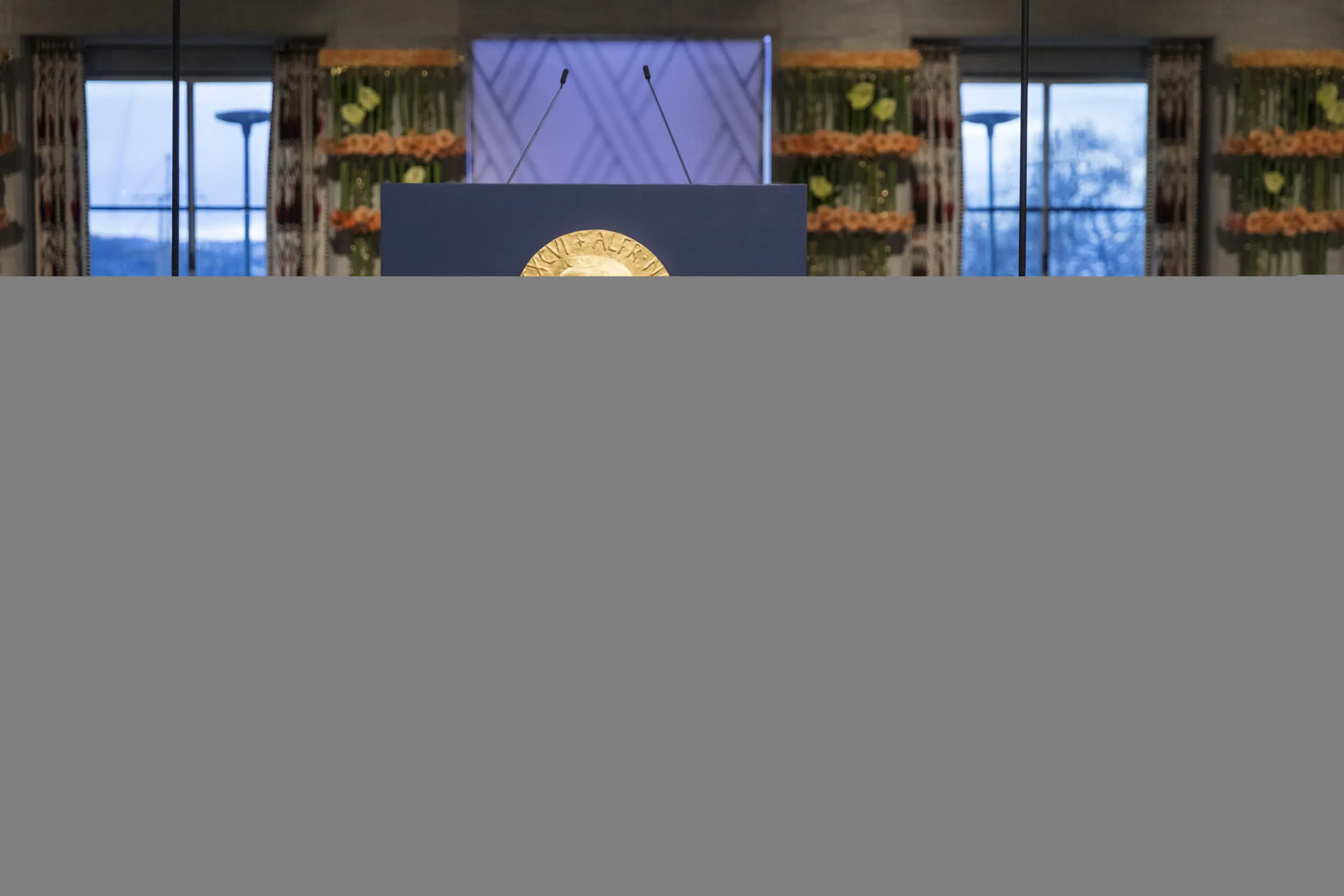
The Nobel Peace Prize is one of the most prestigious awards globally, recognizing individuals and organizations that have made significant contributions to peace. Minneapolis has recently gained attention in this regard, as the city plays an essential role in the ongoing dialogue surrounding social justice, equality, and peace initiatives. As the birthplace of prominent movements advocating for change, the city’s connection to the Nobel Peace Prize underscores its importance on both a local and global scale.
Events Highlighting Minneapolis’s Role
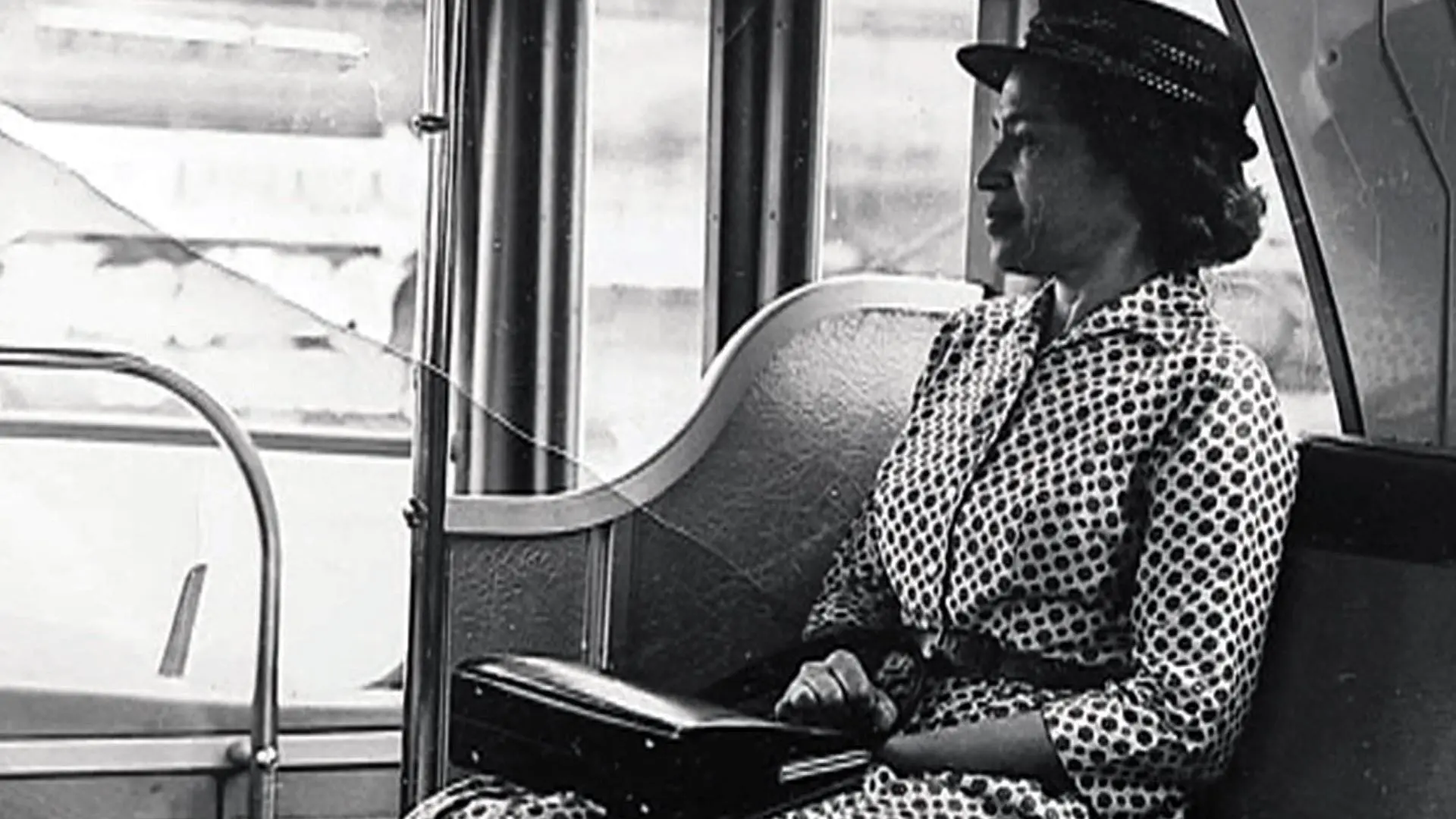
In 2023, Minnesota native and civil rights leader Dr. Josie Johnson was awarded the Nobel Peace Prize for her tireless efforts to promote racial equality and community engagement. This honor not only celebrated her lifetime of activism but also spotlighted the city of Minneapolis as a crucial hub for civil rights. Dr. Johnson’s work after the murder of George Floyd in 2020 galvanized both local and international support, reinforcing Minneapolis’s identity as a city dedicated to social justice.
Furthermore, the recent Nobel summit hosted in Minneapolis featured discussions with prominent figures and experts on themes of peace and justice. The event brought together a diverse group of activists and policymakers, enabling the sharing of knowledge, strategies, and solidarity in the fight for justice. This gathering illustrated Minneapolis’s dedication to embodying the principles of the Nobel Peace Prize and leveraging local activism to inspire change far beyond its borders.
Local and Global Impact
Minneapolis’s rich history in the civil rights movement and its emerging role in contemporary activism has drawn greater attention from national and international peace organizations. The awarding of the Nobel Peace Prize to Dr. Johnson represents more than just recognition; it is a call to action for citizens around the world to engage in peacebuilding and social reform. Local organizations, fueled by newfound recognition, are collaborating with global networks to create tangible change in areas such as criminal justice reform, racial equity, and urban development.
Conclusion
The connection between Minneapolis and the Nobel Peace Prize highlights the city’s ongoing commitment to peace, justice, and human rights. As more individuals and organizations from the city receive global recognition for their efforts, it is likely that the narrative of Minneapolis as a center for social change will continue to grow. The recent developments not only reflect the past but also set a hopeful tone for future initiatives and partnerships aimed at healing communities and building a more peaceful world. As the city moves forward, residents are encouraged to participate actively in these discussions and foster a culture of peace that resonates far beyond their neighborhoods.