Timberwolves pursue star guard
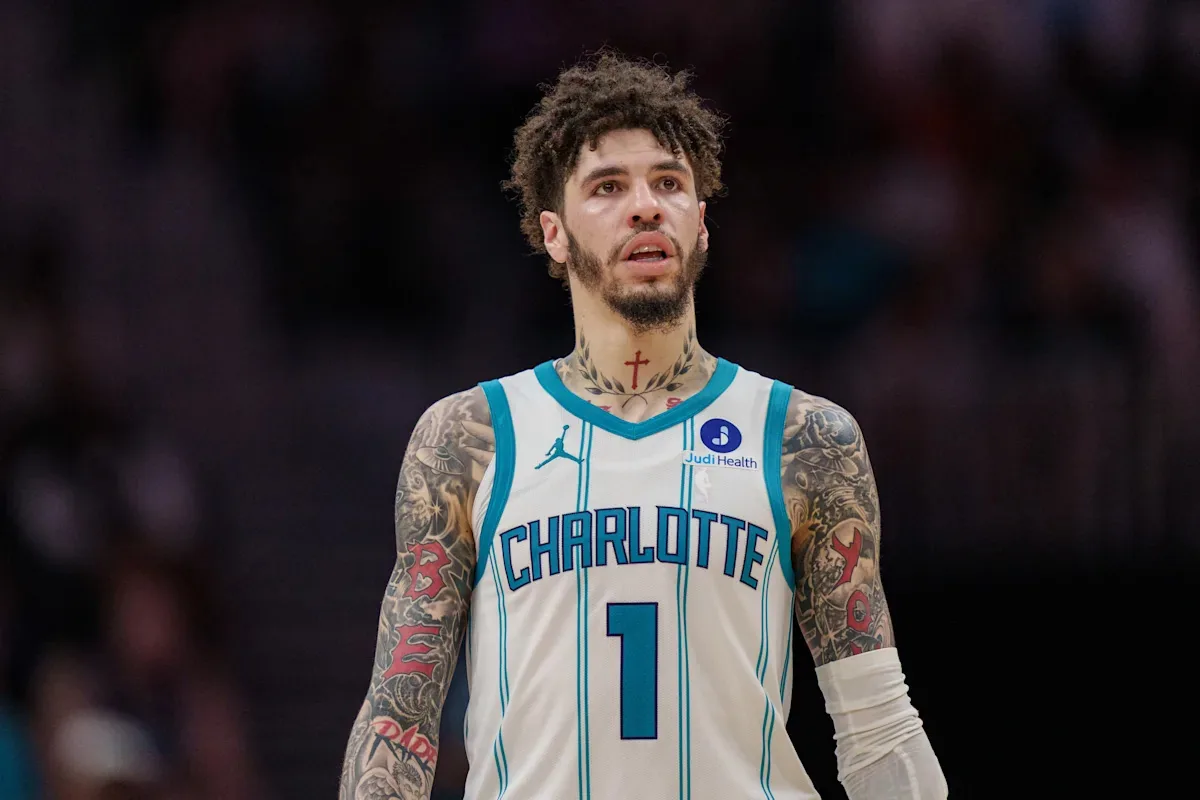
The Minnesota Timberwolves have finalized a trade to acquire guard LaMelo Ball from the Charlotte Hornets. This move comes after the Timberwolves’ front office, led by president of basketball operations Tim Connelly, pursued a lead ballhandler and floor spacer to complement Anthony Edwards. The deal was structured after extensive discussions, with the Timberwolves believing Ball to be an ideal backcourt partner for Edwards.
Connelly, known for his aggressive approach since joining Minnesota in 2022, views this acquisition as a necessary step for the team. He previously made a significant trade for Rudy Gobert and later traded Karl-Anthony Towns. Connelly stated that taking risks is essential when a team has not yet won a championship, especially after being eliminated in the second round of the playoffs by the San Antonio Spurs in six games.
The Timberwolves’ need for another star became apparent during their playoff series against the Spurs, where Edwards faced intense defensive pressure. Connelly emphasized the importance of creating good shots for Edwards and addressing the team’s regression in the recent season. The team had also experienced a significant loss to the Oklahoma City Thunder in the 2025 conference finals, highlighting the competitive landscape of the Western Conference.
Details of the trade and player profiles
The final offer for Ball, which received approval from Timberwolves owners Marc Lore and Alex Rodriguez, included several assets. The Hornets received former Sixth Man of the Year Naz Reid, an unprotected first-round pick in 2033, three first-round pick swaps (2028, 2029, 2030), and three second-round picks (2029, 2032, 2033). In return, Minnesota acquired Ball and swingman Josh Green.
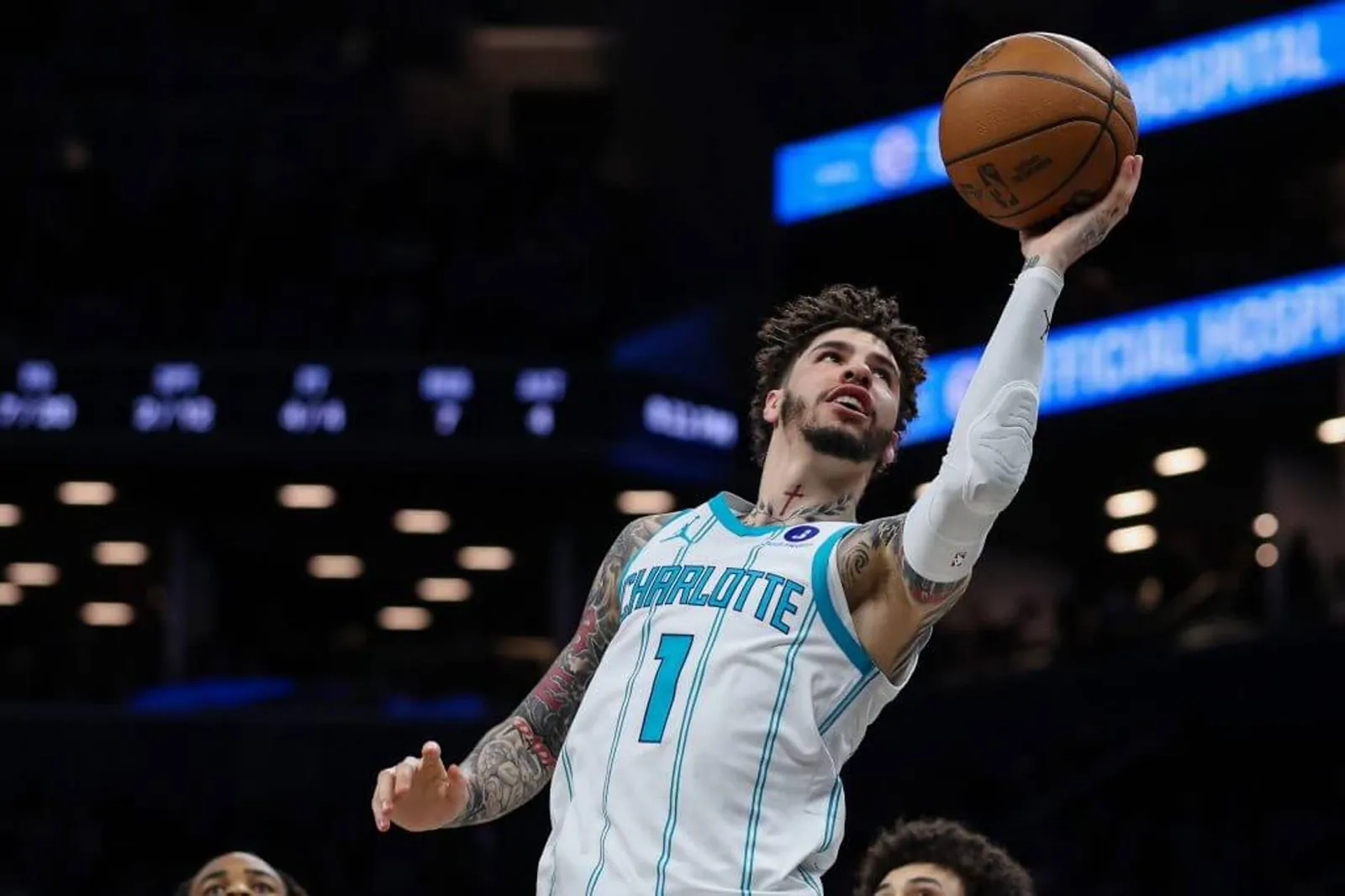
Prior to this trade, the Timberwolves had agreed to send Julius Randle and a first-round pick to the Brooklyn Nets, a move that provided the financial flexibility needed to pursue Ball. Ball, who was the No. 3 pick in the 2020 draft class, averaged 20.1 points, 7.1 assists, and 4.8 rebounds last season. His on-court impact was significant, with the Hornets performing 11.6 points per 100 possessions better offensively when he was on the floor, according to Cleaning The Glass. The Hornets achieved a 34-17 record after January 1, during which they had the top-ranked offense and fifth-ranked defense.
While Ball’s decision-making and consistency have been points of discussion, the Timberwolves value his size, shot creation, and playmaking abilities. His capacity to initiate offense, shoot from beyond the arc, and find open teammates with his 6-foot-7 frame were identified as key missing elements for Minnesota. Ball is also 24 years old, aligning with the timeline of Minnesota’s young core, and his game has reportedly been admired by Edwards.
Concerns and future outlook
Despite the optimism surrounding the trade, there are some concerns, particularly regarding Ball’s durability. He played in 72 games last season, but only 105 total games in the three seasons prior due to various injuries. He has played more than 51 games only twice in his six-year career. The Timberwolves’ medical and athletic training staff, recognized as the league’s best, are reportedly confident in their ability to manage his health.
Off-court incidents have also been associated with Ball, though reports suggest he showed maturity last year. His relationship with former Hornets head coach Charles Lee was noted as positive, and his ability to adapt to a new coach and role in Minnesota will be observed. The pairing of Ball and Edwards is anticipated to be dynamic, with Ball’s presence expected to alleviate defensive pressure on Edwards and provide a strong playmaking option even when Edwards is off the court. This trade is seen as potentially raising the team’s ceiling beyond what was possible with Randle and Reid.
The Hornets, in turn, are moving forward with a new core, including Kon Knueppel, Naz Reid, and Brandon Miller. They also re-signed Coby White to a three-year, $74 million deal, making him their new lead guard. The trade also provided the Hornets with financial flexibility, reducing their cap obligations and positioning them well below the luxury tax threshold for the upcoming year.
Read Also
Source: nytimes.com