Wild establishes new network for local broadcasts
The Minnesota Wild announced the launch of an exclusive multimedia television network, set to debut this season. This new platform will be owned and operated by the team, managing all aspects of production, distribution, sales, and marketing in collaboration with NHL Productions. The initiative aims to provide fans with reliable and direct access to games, similar to previous seasons.
Fans will have various options to watch Wild games, including cable, satellite, streaming services, and over-the-air broadcasts. Specific details regarding availability, channel locations, and pricing for a direct-to-consumer streaming option, which will include annual and monthly subscriptions, are expected to be released before the regular season begins.
The new network will serve as the official television home for the Wild, producing every regular season game not nationally televised by the NHL’s exclusive broadcast partners, which include ABC, ESPN, ESPN+/Hulu, and TNT. For fans residing outside the Wild’s local television market, games will be accessible via ESPN+ through the NHL Power Play.
This expansion builds upon the team’s existing multimedia platform, which features the Minnesota Wild Audio Network, described as the largest network in the NHL. Other components include the Wild on 7th Podcast, @MNWildAudio, original behind-the-scenes programming, and a social media presence with over 2.7 million followers across the organization’s platforms.
Centralized production and expanded capabilities
The NHL is expanding the capabilities of NHL Productions to include centralized production services for local broadcasts of select clubs, with the Minnesota Wild among those participating starting in the 2026-27 season. This comprehensive service will provide robust studio and show programming, premium game production, advanced graphics, replay capabilities, and technical and engineering support.
This league-wide effort, led by President of Events and Content Steve Mayer and Chief Media Officer David Proper, also involved the hiring of former MLB Network President Rob McGlarry as GM of Local Media to oversee the new local-production operation. The initiative was prompted by changes in the traditional local broadcast model, which previously provided significant rights fees to some clubs.
League executives believe this new model will enhance telecasts and enable teams to better monetize their content by granting them greater control over advertising inventory. NHL President of Business Keith Wachtel noted that controlling all aspects of production and sales allows for improved marketing, promotion, and sales efforts.
The NHL’s approach differs from other leagues by offering production support while allowing clubs to pursue market-specific distribution models. While other leagues are exploring national products, the NHL’s primary goal is to maintain flexibility to adapt as the market evolves.
Under the centralized production model, teams will cover the baseline cost of producing their local telecasts, while retaining all revenue generated from distribution and advertising inventory they manage. The NHL will fund the development of the shared production infrastructure, including personnel, technology, and innovations that can be deployed across various markets.
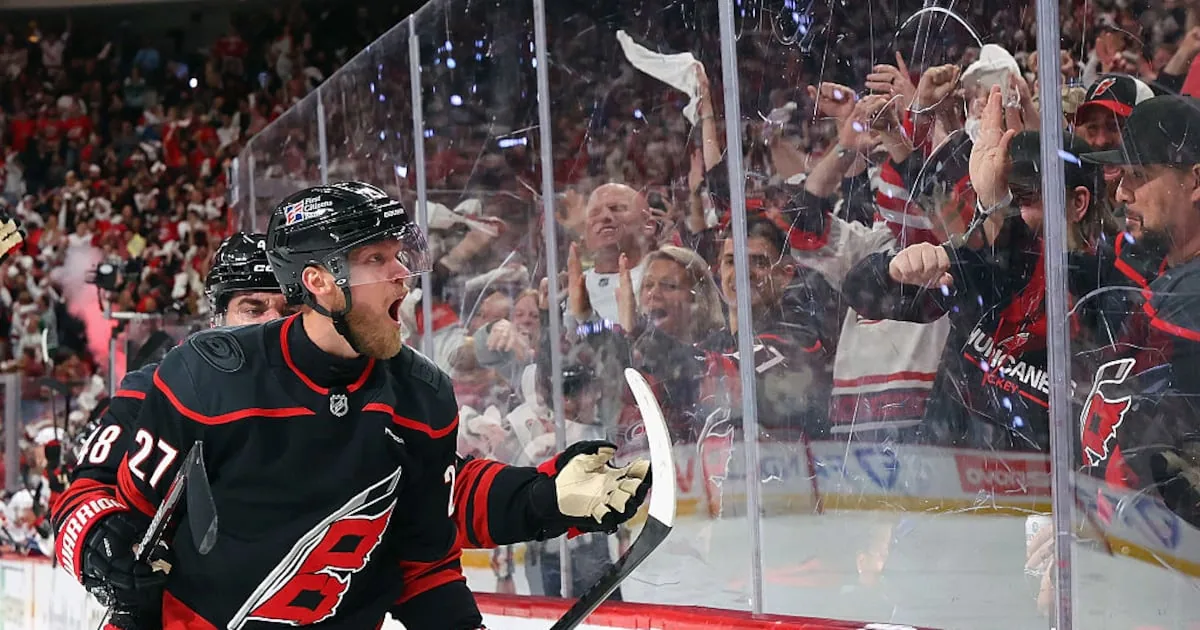
The Blue Jackets, Blues, Hurricanes, and Wild are among the teams utilizing the NHL’s centralized production arm for their local telecasts. These teams previously had their games carried by Main Street Sports Group-operated regional networks. The Ducks are also a potential candidate to join, having informed their local streaming partner Victory+ of their intention to terminate their relationship.
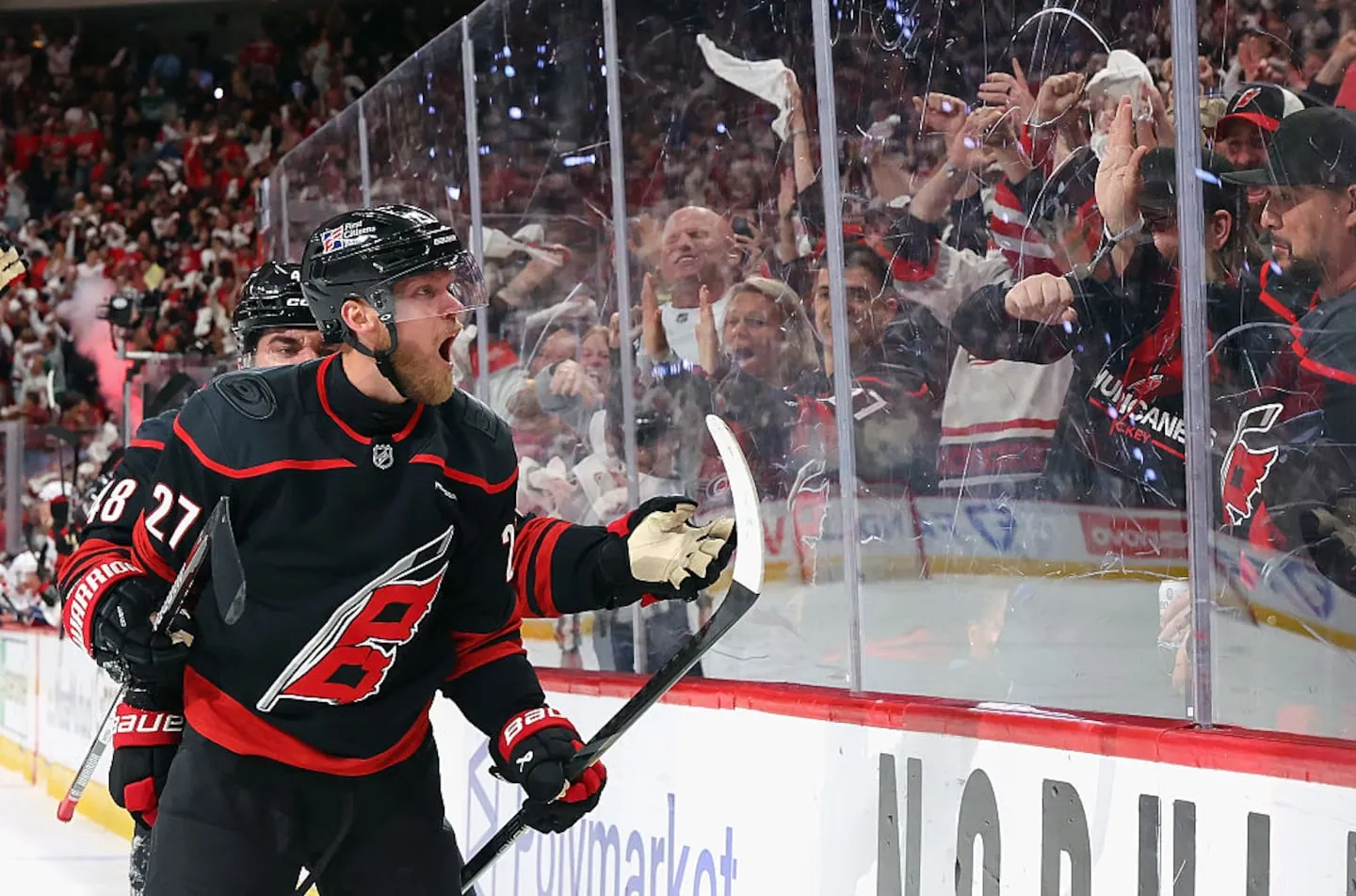
For the four former Main Street clubs, the NHL is assisting in developing market-specific plans. This support includes negotiating direct distribution agreements with pay-TV providers to maintain linear availability, as well as pursuing partnerships for streaming and over-the-air broadcasts. While none of these four teams have finalized their distribution plans for 2026-27, the Blues, Hurricanes, and Wild are prioritizing agreements with pay-TV providers as their primary distribution method, with plans to also offer a streaming option. Executives from the Blues and Wild anticipate making some games available over the air, and a Hurricanes spokesperson expressed hope for some over-the-air distribution.
Advertising and broadcast talent
The league is also assisting clubs in deciding whether to establish internal ad-sales operations, use external agencies, or adopt a hybrid approach. Mitch Helgerson, the Wild’s Chief Revenue Officer and Executive Vice President, stated that the team has hired two dedicated representatives to manage advertising sales across its local television and radio broadcasts. The Blues are also expanding their personnel and evaluating external sales partners.
Helgerson indicated that the aim is for agency buyers to recognize that advertising for Wild hockey games should now be directed to the club, rather than a regional sports network. Playfly Sports, which handles packaging and selling local sports advertising inventory for national brands across the NHL, NBA, and MLB, is one of the external agencies being considered by both the Blues and the Wild.
Taking control of ad sales represents a significant shift for clubs, offering them an opportunity to better utilize their inventory. Teams can now integrate media assets from their local telecasts, such as traditional commercial spots or branded broadcast integrations, directly into sponsorship packages, complementing their existing digitally enhanced dashboard inventory.
Wachtel highlighted the value of being able to package valuable media assets, including enhancements, features, and vignettes, into partnership deals, as these are sought after by clients and media agencies. As more clubs gain control of their local advertising inventory, the NHL could potentially aggregate this media for league-level sponsorship deals. Wachtel believes that access to inventory from approximately 12 to 13 teams would be necessary before seriously pursuing a broader national sales strategy.
Mayer anticipates that NHL-produced telecasts will improve the viewing experience for fans. Local broadcasts are expected to more consistently incorporate technology used in national telecasts, such as NHL Edge puck- and player-tracking data. These league-produced telecasts will also feature a uniform graphics package, new music, and additional handheld, robotic, and point-of-view cameras. Mayer also sees an opportunity to incorporate more league-wide coverage, moving beyond a strictly local focus, to ensure that the Minnesota Wild broadcasts discuss the NHL and its star players, aiming to nationalize them somewhat.
The Minnesota Wild telecasts will feature Anthony LaPanta as the play-by-play announcer, Ryan Carter as the lead analyst, and Kevin Gorg as the rink-side reporter. Katie Storm and Wes Walz will serve as the primary hosts for the Wild pre- and postgame shows. Additionally, Alex Stalock and Lou Nanne will act as analysts for selected games.
KFAN FM 100.3 and iHeart Radio are entering their 16th season as the audio home of the Minnesota Wild. All Wild games will also be available on the station’s website, kfan.com/listen, and through the iHeartRadio App. The Wild radio broadcast can also be accessed via the Wild Mobile App, inside Grand Casino Arena at 95.7 FM, and across the Minnesota Wild Audio Network.
Read Also
- Portland-metro mayors urge city to finalize Moda Center renovation deal
- SEC football media days begin as Big Ten's recent dominance looms
- FIFA to investigate player clashes following World Cup final between Spain and Argentina
- Bristol: ESPN parts ways with NFL analyst Ryan Clark, additional layoffs anticipated
Source: nhl.com