Players React to Salary Cap Proposal
Major League Baseball players are voicing strong opposition to the league’s proposal for a salary cap system, as negotiations continue ahead of the current collective bargaining agreement’s expiration on December 1. Several prominent players have expressed their disapproval, highlighting concerns about its potential impact on player earnings and the overall health of the sport.
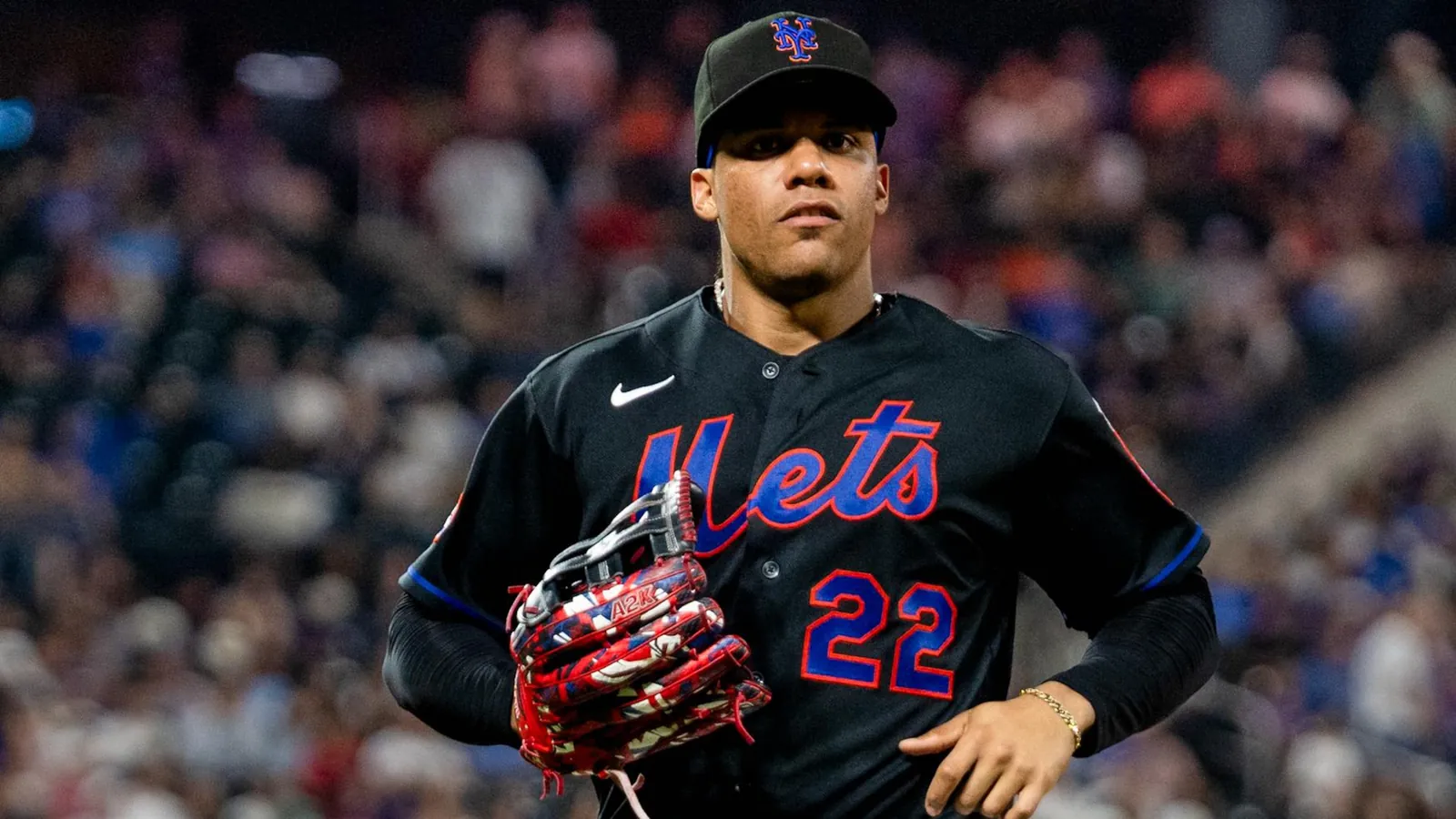
Juan Soto of the Mets, who is currently playing on a substantial contract, stated his clear rejection of the salary cap. Under the league’s proposal, a deal of that magnitude would have been significantly limited. The league’s owners are aiming to cap team spending at $245.3 million starting in 2027, while also proposing to raise the payroll floor to $171.2 million.
Los Angeles Angels outfielder Mike Trout emphasized the current positive state of baseball, suggesting that the proposed changes could disrupt it. He noted that the proposal aims to minimize both contract years and total values for players.
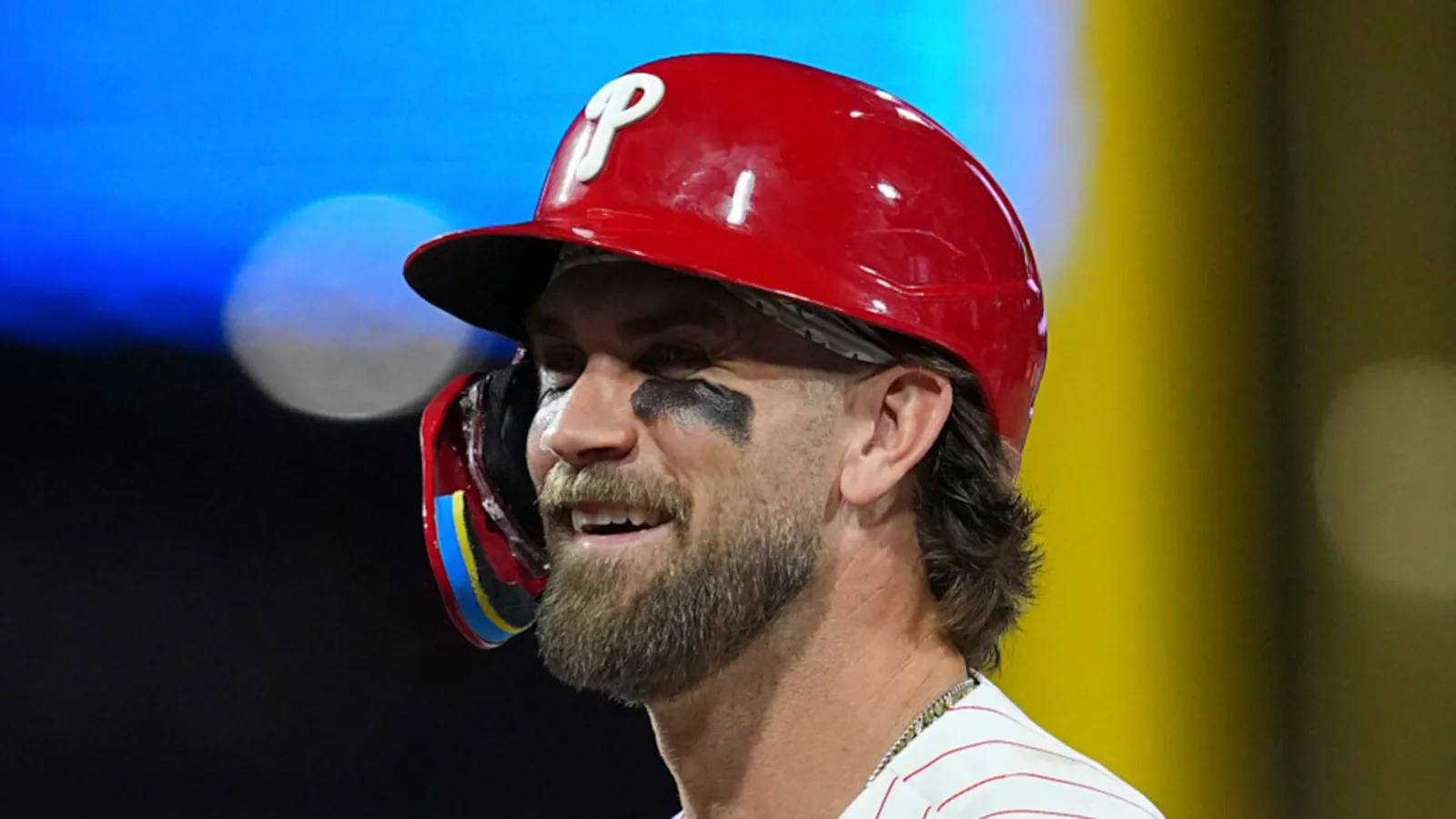
Philadelphia Phillies superstar Bryce Harper cited the historical efforts of the Major League Baseball Players Association (MLBPA) in fighting against the league and owners since its formation in the 1970s. Harper believes players have a responsibility to uphold this legacy and ensure opportunities for fair compensation.
Pittsburgh Pirates ace Paul Skenes acknowledged the potential for a lengthy work stoppage if both sides remain firm on their positions. He indicated that both the league and the players are presenting their ideal offers, suggesting that significant movement in negotiations may take time.
League’s Rationale for a Cap System
The league’s push for a salary cap system comes after a previous attempt in 1994, which led to a strike that canceled the 1994 postseason, including the World Series. That dispute concluded after 232 days when an injunction blocked team owners from unilaterally eliminating free agency and salary arbitration.
One of the primary reasons cited for the current push is economic disparity within the league. For 2025, the Dodgers had a Luxury Tax payroll significantly higher than the Marlins, illustrating a substantial gap. This Luxury Tax payroll is the basis for the proposed hard cap and floor for 2027.
The MLBPA has argued that using Luxury Tax payrolls does not accurately reflect how a cap system would function, especially since Luxury Tax penalties are funneled back to lower-revenue clubs as revenue sharing. In the past year, a record amount was paid in Luxury Tax penalties.
League executives have also suggested that the current Luxury Tax system is not working effectively to address competitive concerns, despite previous statements that it appeared to be functioning well. The league’s proposals aim to address competitive balance, with some fan sentiment reportedly favoring such a system.
Impact on Players and Future Negotiations
The league is proposing what would be a notable increase in the minimum salary for players. For 2027, the minimum salary for players with at least two years of service is proposed to rise to $1 million. Players with zero or one year of service would also receive $1 million if they complete a full year of service, which includes a minimum salary and an automatic service bonus from the Pre-Arbitration Bonus Pool.
However, hard cap systems can create divisions among players, as money spent on one player can affect what is available for others. Historically, similar systems in other sports leagues have seen the middle class of players impacted as pay gaps widened.
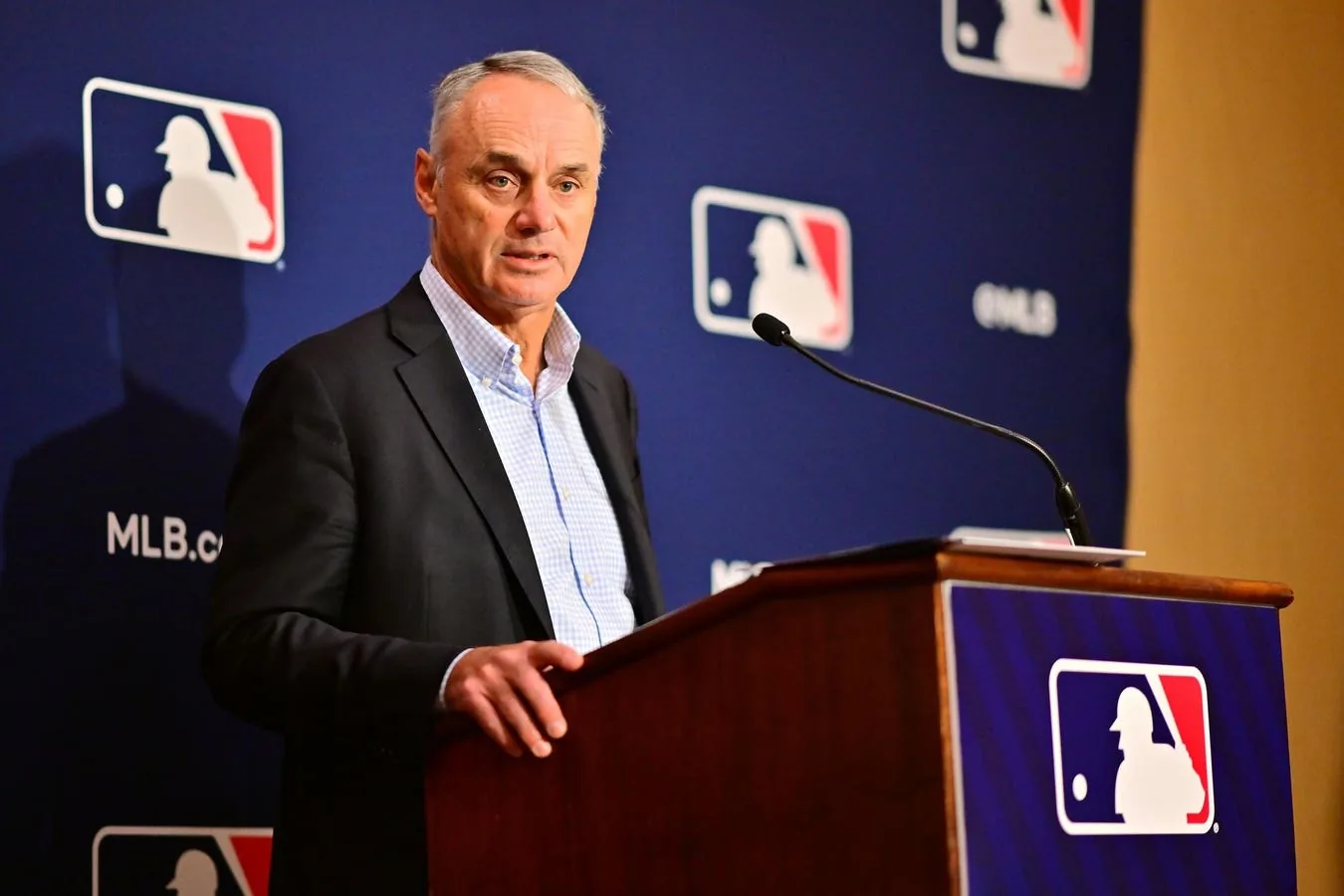
The league has also engaged in public relations efforts to advocate for a cap system, using social media to present its case. Bruce Meyer, the interim executive director of the MLBPA, has criticized these efforts, suggesting they are designed to mislead fans and benefit owners.
The ongoing negotiations are crucial for the future financial structure of Major League Baseball, with the current collective bargaining agreement set to expire on December 1.
Read Also
Source: bleacherreport.com