The wider picture
The war in Ukraine has loomed large in Oscar documentary categories since its beginning in 2022. This ongoing conflict has influenced filmmakers and artists worldwide, prompting them to explore themes of propaganda, nationalism, and the moral implications of government actions. In this context, the documentary Mr. Nobody Against Putin has emerged as a significant work, winning the Oscar for Best Documentary Feature on March 16, 2026, in Los Angeles.
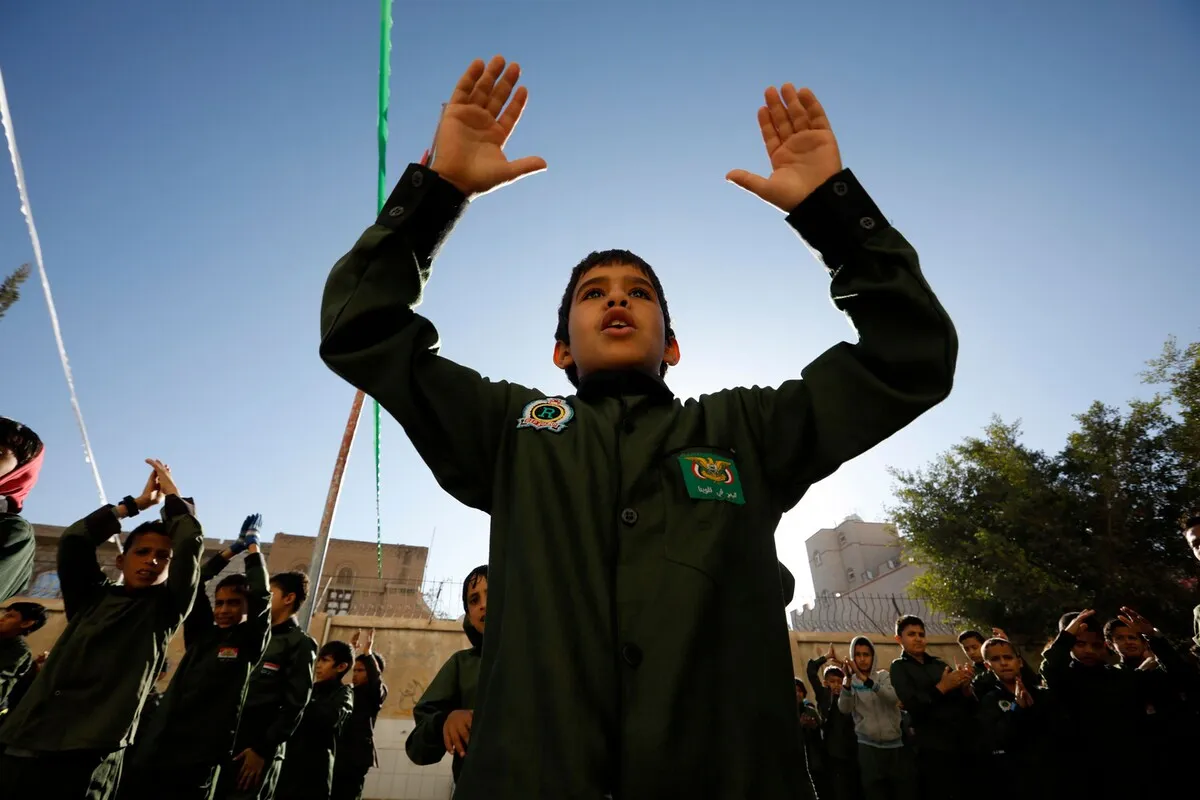
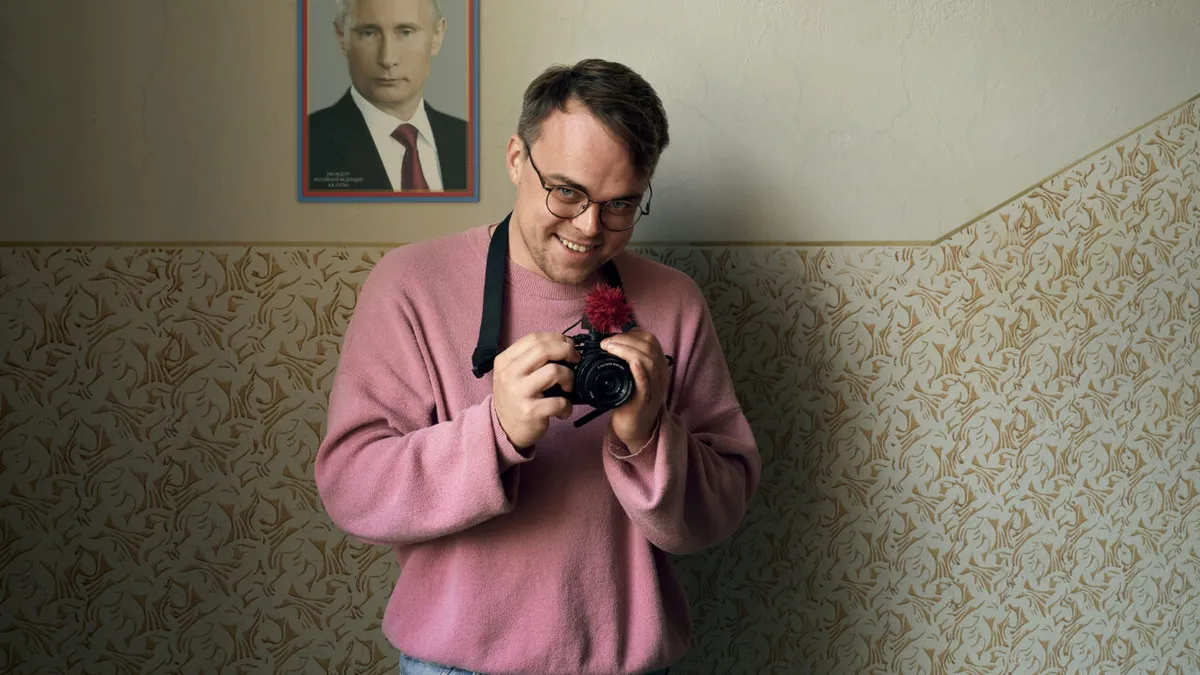
Directed by Pavel Talankin and David Borenstein, Mr. Nobody Against Putin critiques Russian propaganda and the patriotism programs aimed at youth following the invasion of Ukraine. The film premiered at the Sundance Film Festival and was later distributed by Apple TV. Its success at the Oscars marks a notable achievement, as it is the first Oscar win for both Talankin and Borenstein.
In a statement following the win, Pavel Talankin emphasized the film’s message, saying, “In the name of our future, in the name of all of our children, stop all of these wars now.” This sentiment reflects the broader anti-war themes present in the documentary, which addresses the moral choices faced when governments kill people and control media.
David Borenstein, the American co-director, added, “Mr. Nobody Against Putin is about how you lose your country.” He elaborated on this theme, stating, “You lose it through countless small little acts of complicity.” This perspective resonates with audiences who have witnessed the erosion of democratic values in various contexts, particularly in relation to the Russian government’s actions.
The film’s tone is described as light and almost mischievously comical at times, which contrasts with the serious subject matter it tackles. This unique approach has contributed to its appeal, allowing it to stand out among other documentaries. It also won the British Academy Film Award prior to its Oscar triumph, further solidifying its status as a critical commentary on contemporary issues.
Notably, Mr. Nobody Against Putin is the third film this decade that has been critical of the Russian government to win the Oscar for Best Documentary. This trend highlights the growing recognition of the importance of addressing authoritarianism and the impact of war through the lens of documentary filmmaking.
As the global community continues to grapple with the consequences of the war in Ukraine, observers and officials are keenly watching how films like Mr. Nobody Against Putin will influence public perception and discourse. The documentary serves as a reminder of the power of storytelling in shaping narratives and fostering understanding in times of conflict.