What is the significance of the upcoming NASA satellite crash?
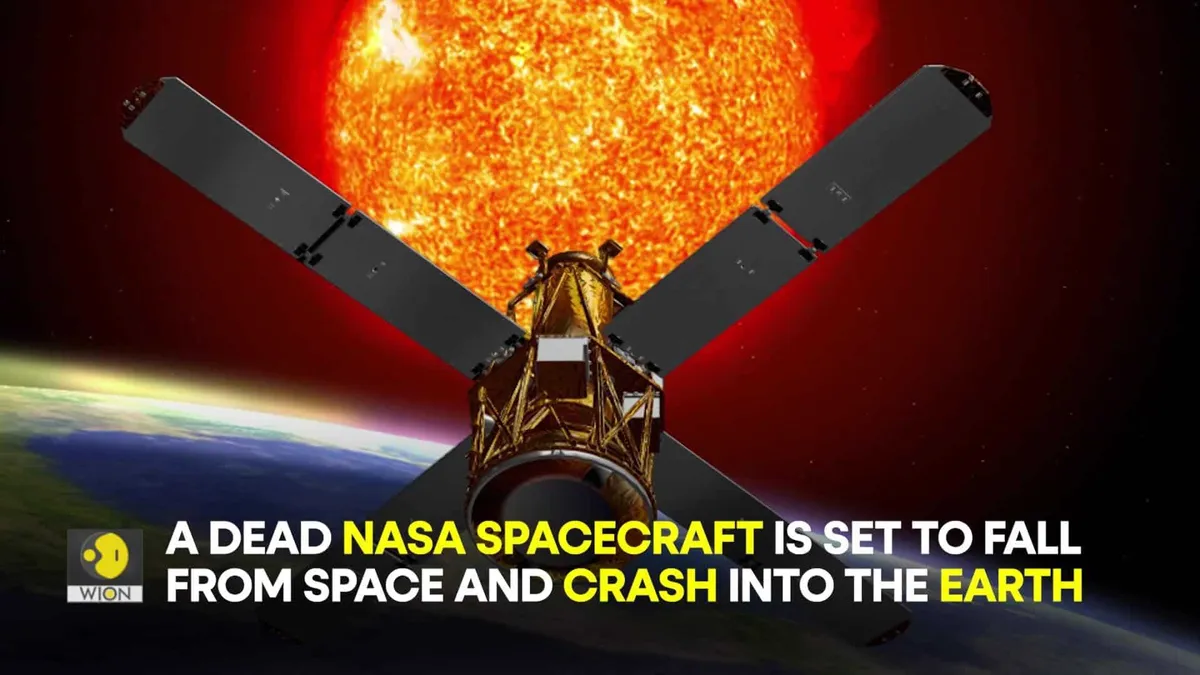
The Van Allen Probe A, a NASA satellite, is set to crash back to Earth on March 10, 2026, at approximately 7:45 p.m. EDT. This event raises critical questions about the safety of such re-entries and the potential risks posed to people and property on the ground.
What do we know about the Van Allen Probe A?
Launched on August 30, 2012, the Van Allen Probe A was designed to study Earth’s radiation belts. Weighing approximately 1,323 pounds (600 kg), the satellite has been inactive since 2019 when it ran out of fuel. Originally, the satellite was expected to re-enter the Earth’s atmosphere in 2034, but this prediction was revised due to increased atmospheric drag caused by solar activity.
What are the risks associated with the satellite’s re-entry?
NASA estimates that the chance of harm coming to anyone on Earth from the satellite’s re-entry is approximately 1 in 4,200. While most of the satellite is expected to burn up upon re-entry, some components may survive and reach the surface. However, the risk is mitigated by the fact that about 71% of Earth’s surface is covered by water, reducing the likelihood of debris hitting land.
Who is monitoring the situation?
NASA, alongside the U.S. Space Force, will continue to monitor the re-entry of the Van Allen Probe A and provide updates on its trajectory and potential impact zones. As Mark Matney from NASA stated, “The odds that you will be hit are one in several trillion, so quite low for any particular person.” This underscores the low risk to the general population.
What uncertainties remain?
Despite the monitoring efforts, details remain unconfirmed regarding the exact location where debris will land. The uncontrolled nature of the re-entry adds an element of unpredictability to the situation, leaving some aspects uncertain until closer to the event.
What led to this moment?
The Van Allen Probe A and its twin, Van Allen Probe B, were pivotal in advancing our understanding of the Van Allen belts, which are regions of charged particles trapped by Earth’s magnetic field. Their mission has contributed significantly to space weather research and our understanding of the environment surrounding our planet.
What happens next?
As the date of the re-entry approaches, NASA and the U.S. Space Force will continue to refine their predictions and monitor the satellite’s descent. The scientific community and the public will be watching closely to see how this event unfolds and what it may reveal about the safety of future space missions and satellite operations.