Introduction
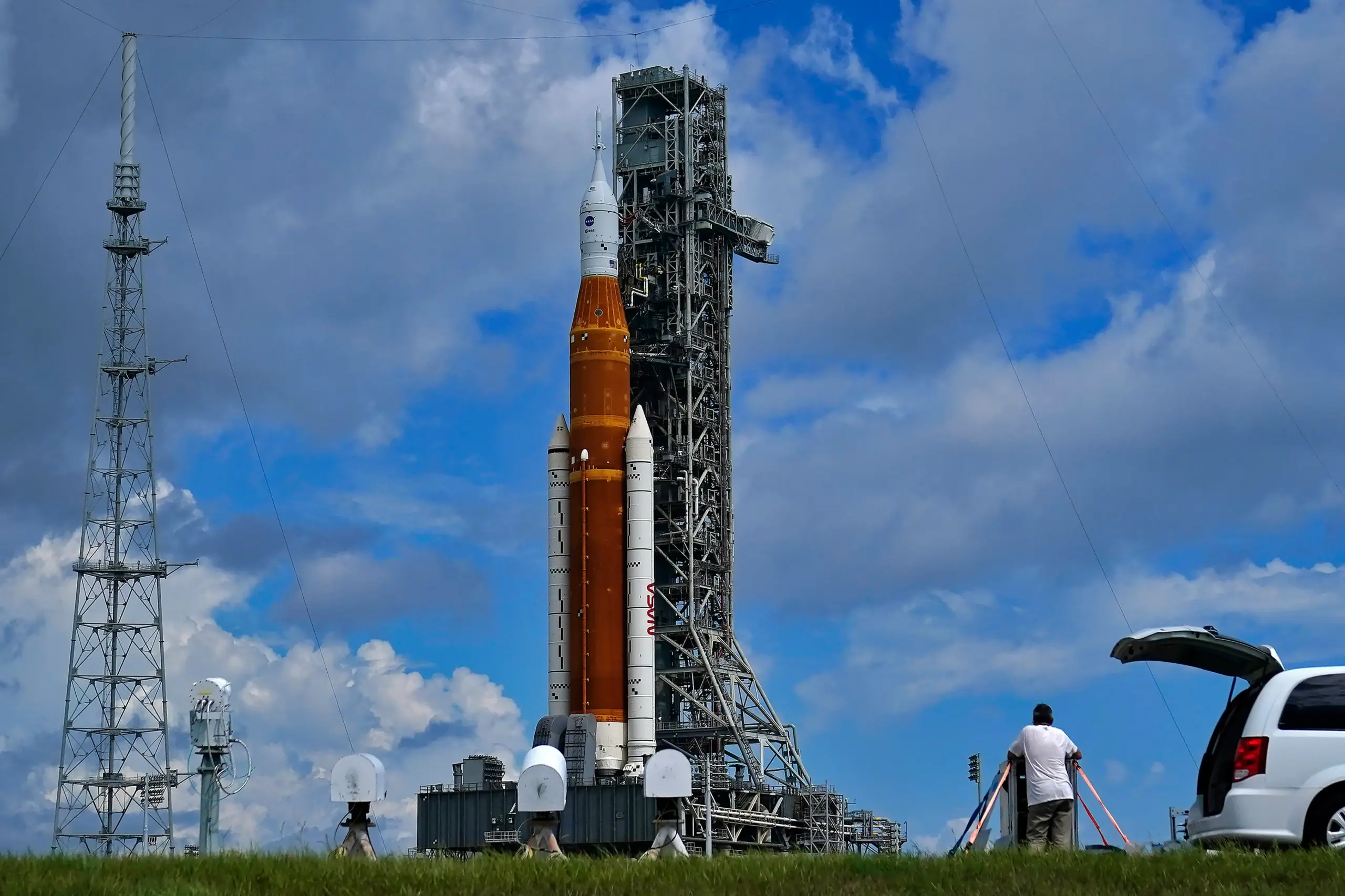
The NASA SpaceX Crew 12 launch marks a pivotal moment in the history of human space exploration. Scheduled for April 22, 2021, this mission represents a critical step in NASA’s partnerships with private companies to transport astronauts to the International Space Station (ISS). As part of NASA’s Commercial Crew Program, Crew 12 is not just about advancing space technology; it symbolizes a new era of collaboration between government space agencies and commercial enterprises.
Details of the Launch
The Crew 12 mission’s primary objective is to transport four astronauts to the ISS. The team comprises NASA astronauts Mark T. Vande Hei, Shane Kimbrough, and Japan Aerospace Exploration Agency (JAXA) astronaut Akihiko Hoshide, along with European Space Agency (ESA) astronaut Thomas Pesquet. They are set to embark on a six-month mission on the ISS, where they will conduct scientific research and international cooperation in space.
The SpaceX Falcon 9 rocket, configured for this mission, boasts innovations such as reuseability, significantly reducing costs associated with space flight. The Crew Dragon spacecraft, named ‘Resilience,’ will be used for this mission, having successfully completed previous missions including Crew 1.
Significance of Crew 12
The launch is expected to enhance ongoing research aboard the ISS, focusing on areas ranging from biology to humanities in low Earth orbit. The collaboration between NASA and SpaceX highlights a shift in how space transportation can be handled in the future, allowing for an increased number of missions and extended presence in space.
Moreover, the Crew 12 launch showcases a commitment towards exploring Mars and beyond. The insights earned from this ongoing mission will ultimately contribute to NASA’s long-term goals, including plans to send humans to the Moon and establish a sustainable human presence by 2024.
Conclusion
The NASA SpaceX Crew 12 launch is more than just another mission; it paves the way for renewed exploration and scientific advancements in space. As the innovations in spacecraft technology continue to develop, we expect to see an increase in missions supporting both commercial and governmental objectives. This mission exemplifies the potential for unprecedented discoveries and collaboration in space, once again reminding us of the limitless possibilities that await beyond our home planet.