The wider picture
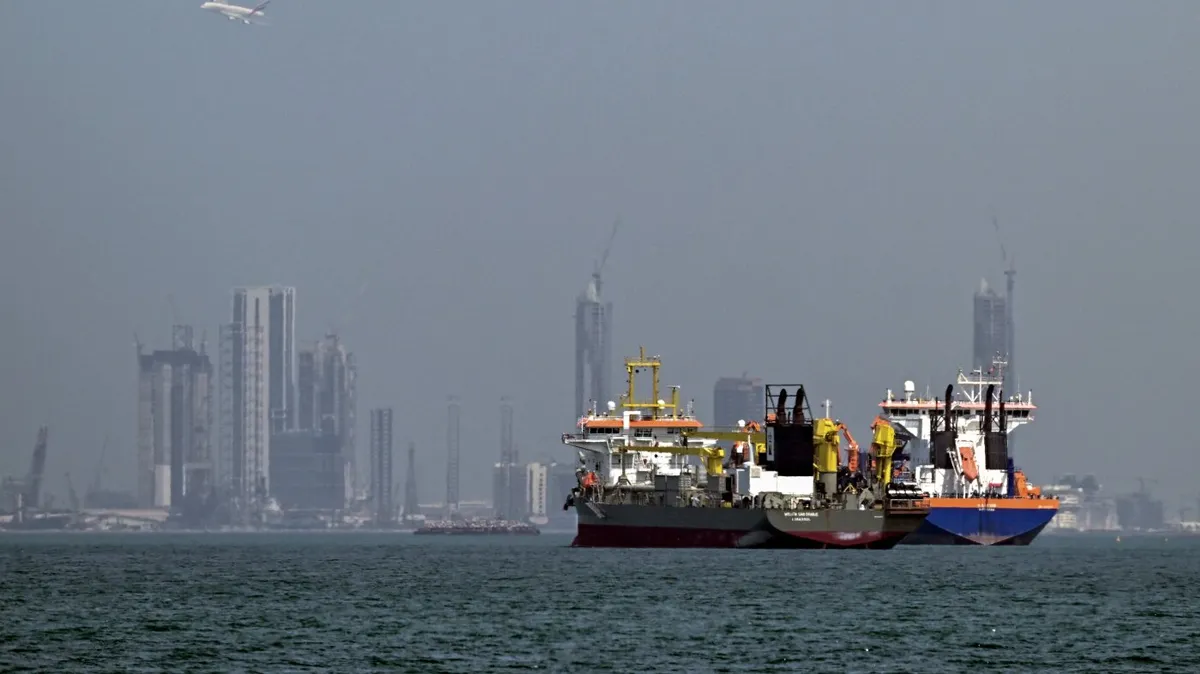
NATO countries are involved in discussions regarding military support in the context of U.S. and Israeli actions against Iran. The situation has escalated significantly, with President Trump urging NATO allies to assist the U.S. in reopening the strategically vital Strait of Hormuz. This request comes amid increasing tensions in the region, where military confrontations have raised concerns about security and stability.
As NATO prepares to convene in Brussels, the alliance faces challenges in garnering support from European nations. Despite Trump’s calls for military assistance, European countries have largely refused to send warships to the Strait of Hormuz, indicating a reluctance to engage directly in the conflict. Trump has expressed frustration, stating that NATO allies have broadly rejected his pitch to help secure the vital waterway, which is crucial for global oil shipments.
In the backdrop of these developments, approximately 35 U.S. Army noncommissioned officers from 10 NATO countries recently participated in training exercises in Sembach, Germany. This training aimed to enhance the readiness and operational effectiveness of the U.S. Army in Europe, emphasizing the importance of NATO’s role in collective defense and cooperation among member states.
Command Sgt. Maj. James E. Morris Jr. highlighted the significance of understanding NATO’s role, noting that many personnel are unfamiliar with the alliance’s functions. “One of the biggest things that we had a problem with when I walked in the door was people didn’t even know what the U.S. Army NATO does,” he stated. This underscores the need for ongoing education and collaboration within NATO to address contemporary security challenges.
Staff Sgt. Charles Reese emphasized the social aspect of the training, stating, “For me personally, with all of us being so dispersed all over Europe, the social aspect to meet and greet, put faces to names, and have conversations is very important.” This sentiment reflects the necessity of building relationships among NATO forces to foster unity and effective communication.
Despite the ongoing training and discussions, the geopolitical landscape remains fraught with uncertainty. The situation in the Middle East is further complicated by the recent deaths of two top Iranian commanders in Israeli strikes, which have heightened tensions between Iran and Israel, as well as their respective allies. The implications of these events are significant, as they may influence NATO’s strategic decisions moving forward.
As NATO leaders gather in Brussels, observers are keenly watching how the alliance will navigate these complex dynamics. The outcome of the discussions may determine the extent of NATO’s involvement in the Middle East and its ability to respond to emerging threats. With the stakes high, the future of NATO’s role in the region remains to be seen.