Introduction
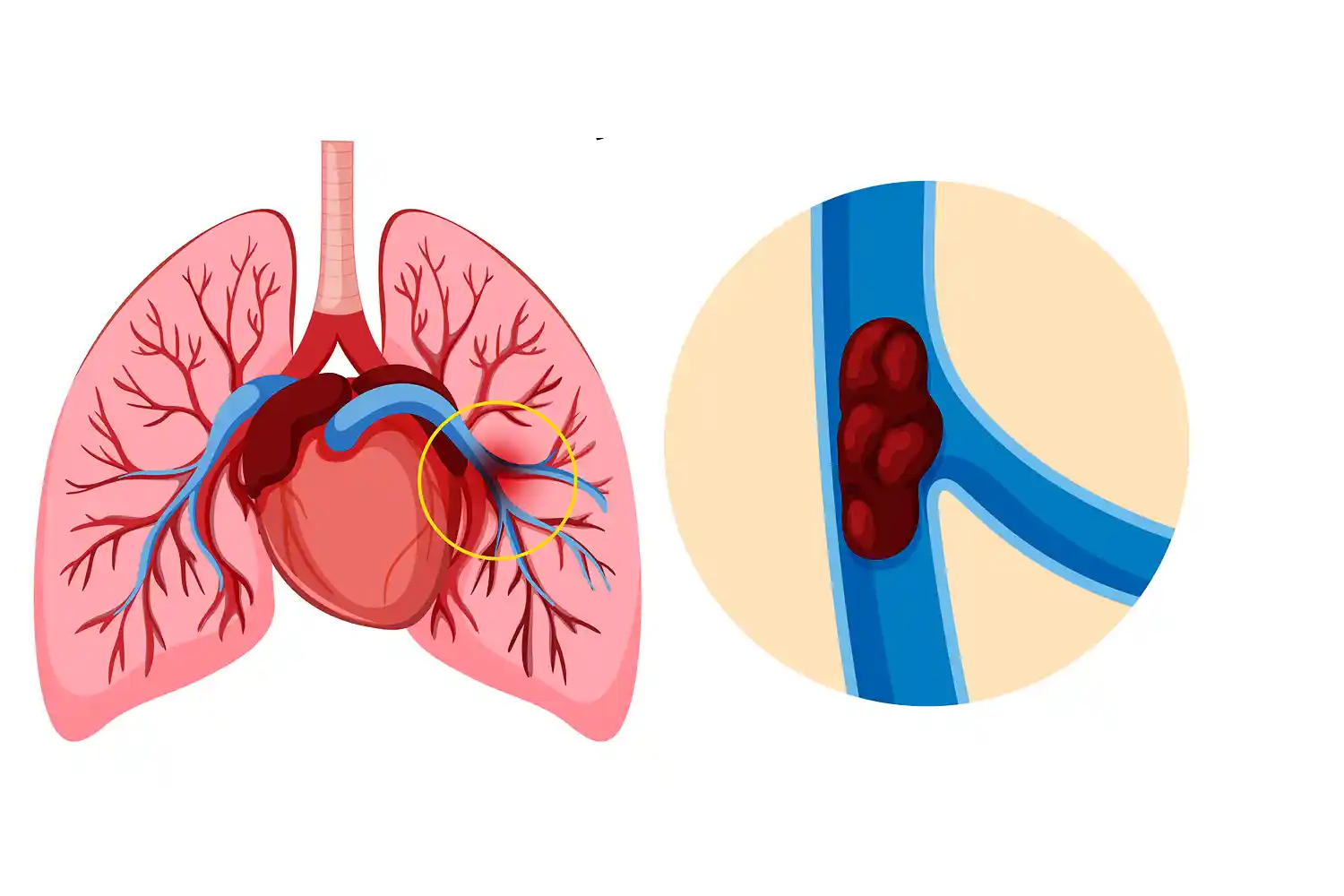
Pulmonary embolism (PE) is a life-threatening condition that occurs when a blood clot travels to the lungs, blocking a pulmonary artery. Recognizing the importance of early detection and treatment is critical, as this condition can lead to severe complications or even death. Understanding the risk factors, symptoms, and treatment options for pulmonary embolism is essential for effective prevention and management.
Understanding Pulmonary Embolism
PE typically arises from deep vein thrombosis (DVT), where a blood clot forms in the deep veins of the legs or other parts of the body. If this clot dislodges, it can travel to the lungs, causing a blockage. In the United States, approximately 900,000 people are affected by DVT/PE annually, with around 60,000 to 100,000 deaths occurring each year as a result of the condition.
Risk Factors and Symptoms
Several risk factors contribute to the development of pulmonary embolism, including prolonged immobility, certain medical conditions (such as cancer or heart disease), surgeries, smoking, and obesity. Symptoms of PE can vary, but common indicators include sudden shortness of breath, chest pain that may worsen with deep breathing, a rapid heartbeat, and coughing up blood. Quick recognition of these symptoms is crucial for timely medical intervention.
Diagnosis and Treatment
Diagnosis of pulmonary embolism typically involves imaging tests, such as a CT pulmonary angiogram, ventilation-perfusion (V/Q) scan, or ultrasound of the legs. Blood tests, including D-dimer tests, may also aid in diagnosis. Treatment primarily focuses on preventing further blood clot formation and may include anticoagulant medications (blood thinners) or, in severe cases, thrombolytic therapy to dissolve clots. In some instances, surgical interventions may be necessary.
Conclusion
Pulmonary embolism remains a critical health issue that requires awareness and swift treatment. With the proper understanding of its causes, risk factors, and symptoms, individuals can take proactive steps to reduce their risk. Healthcare providers are urged to maintain vigilance and educate patients about the signs and preventive measures associated with PE. As research evolves, improved treatment strategies and preventive measures are anticipated to enhance the management of this serious condition, ultimately saving lives.