Before the Release
Prior to the release of the Netflix series ‘Vladimir’ on March 5, 2026, Rachel Weisz was widely recognized for her diverse roles in film and theater. Audiences anticipated her next project, especially given her ability to portray complex characters. However, the expectations surrounding ‘Vladimir’ were particularly high due to its adaptation from a novel by Julia May Jonas, which had garnered attention for its provocative themes.
The Decisive Moment
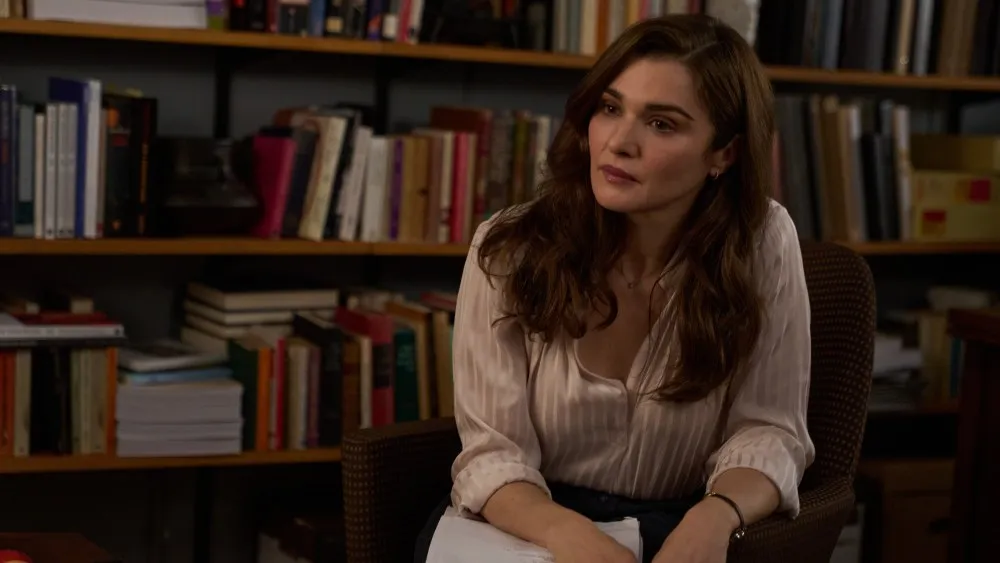
‘Vladimir’ presents a compelling narrative centered around a college professor, played by Weisz, who becomes consumed by her sexual obsession with a colleague named Vladimir, portrayed as a successful novelist. This shift in Weisz’s career trajectory is marked by her exploration of a character grappling with the fading relevance of her desirability as she ages. The protagonist’s husband, John, played by John Slattery, faces his own challenges, including potential disciplinary action for an inappropriate relationship with a former student, adding layers of complexity to the story.
Immediate Effects
The immediate reception of ‘Vladimir’ has sparked discussions about its thematic depth and execution. While some critics have drawn comparisons to the acclaimed series ‘Fleabag’, others have criticized the show for its handling of sensitive topics. The series consists of eight episodes, each delving into the protagonist’s inner thoughts, conveyed through direct address to the camera, which invites viewers into her psychological landscape.
Expert Perspectives
Julia May Jonas, who adapted her own novel for the series and serves as writer and executive producer, expressed her hopes for the show’s emotional impact. She stated, “I hope that it is a slow burn, that feeling. Because you need to, at first, be on her side — you want to be inside of her experience.” This sentiment reflects the intention behind the character’s journey, as she navigates her roles as a professor, writer, parent, and woman, all of which carry significant influence.
Comparative Analysis
In the context of contemporary television, the series raises questions about the portrayal of female characters and their complexities. Jonas pointedly questioned why ‘Vladimir’ is not compared to other narratives like ‘Tár’ or ‘Maestro’, suggesting a need for broader discourse around female-driven stories. The protagonist’s struggle with her identity and desire resonates with many viewers, particularly as she confronts societal expectations regarding aging and femininity.
Setting and Background
The backdrop of ‘Vladimir’ is a small college town, where the protagonist feels conspicuous due to her profession. This setting amplifies her internal conflicts, as she grapples with her sexual obsession and the implications of her husband’s actions. The series explores not only personal desires but also the societal pressures that shape female identity, making it a timely addition to the current landscape of television narratives.
Looking Ahead
As ‘Vladimir’ continues to unfold, audiences are left to ponder the implications of its themes and character dynamics. Rachel Weisz’s portrayal of a woman navigating the complexities of desire and identity presents a fresh perspective in a genre often dominated by male narratives. While the series has received mixed reviews, its exploration of these themes is sure to provoke ongoing discussions about the representation of women in media.