The Importance of Space Missions
The exploration of space is crucial for furthering our understanding of the universe and enhancing technology on Earth. However, it also comes with inherent risks. A recent incident involving astronauts stuck in space has revived discussions about safety protocols and the challenges of manned space missions.
Current Incident Overview
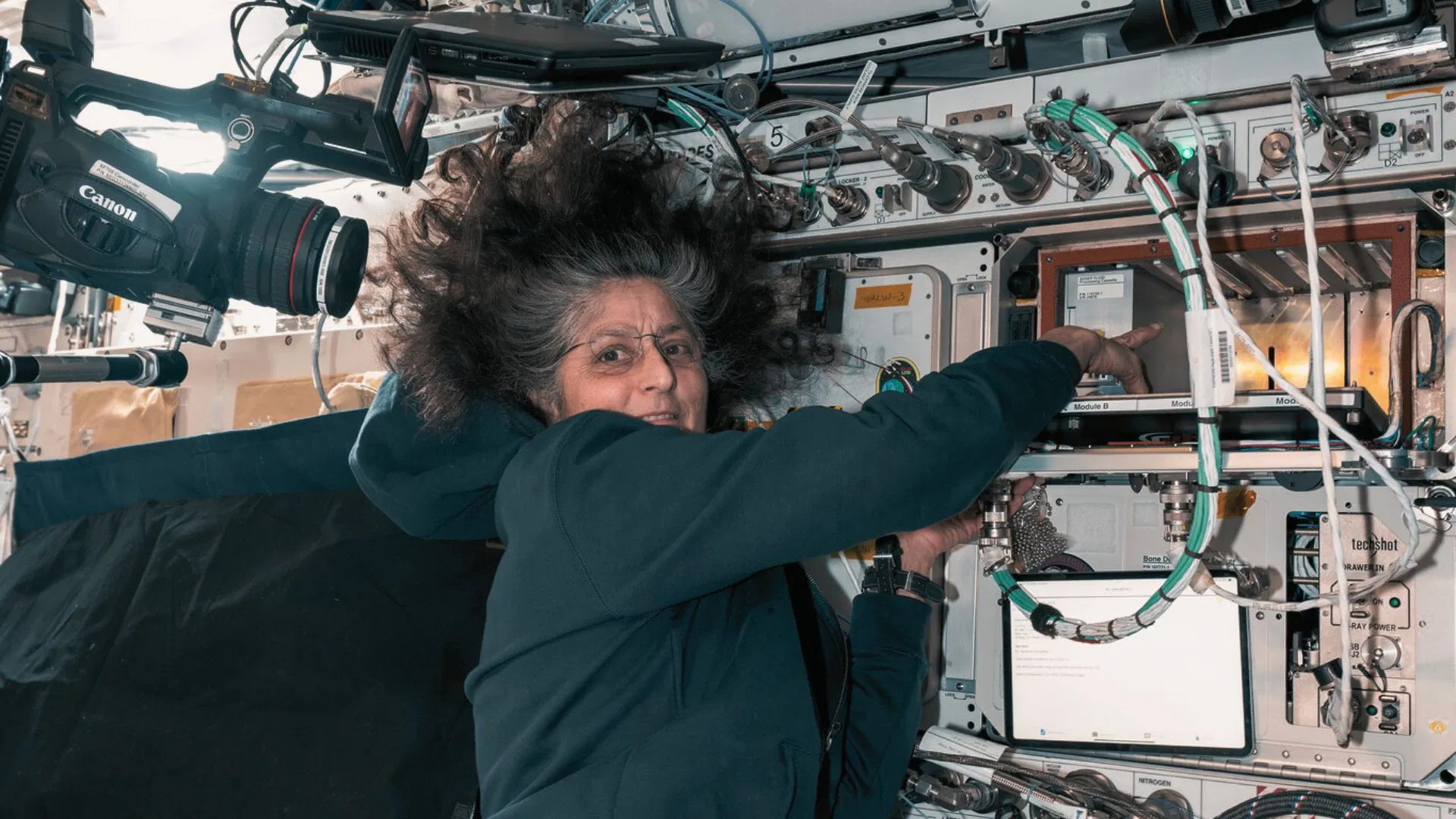
On October 15, 2023, two astronauts aboard the International Space Station (ISS) experienced a critical malfunction with their life-support systems, leading to a temporary state of being unable to return to their shuttle. The astronauts, Jessica Wu and Eric Sanders, were conducting scientific experiments when they noticed a sudden drop in oxygen levels. Ground control quickly stepped in to assist the crew, but the situation raised concerns about the reliability of current space technologies.
Response and Recovery
NASA’s ground team initiated emergency protocols, implementing a rescue strategy that involved rerouting another spacecraft, the Dragon Resilience, which was on its way to deliver supplies to the ISS. The recovery mission, which was completed successfully within 48 hours, involved the urgent docking of the Dragon spacecraft to provide supplementary oxygen and ensure the crew’s safety.
Significance of the Incident
This incident serves as a stark reminder of the complexities and dangers of space travel. Experts believe that more research and development are needed to enhance the reliability of life-support systems in spacecraft. Dr. Linda Tomas, a space safety analyst with NASA, stated, “Every incident teaches us valuable lessons. Our top priority is to safeguard our astronauts during missions. We must invest in technology to minimize risks.”
Looking Ahead
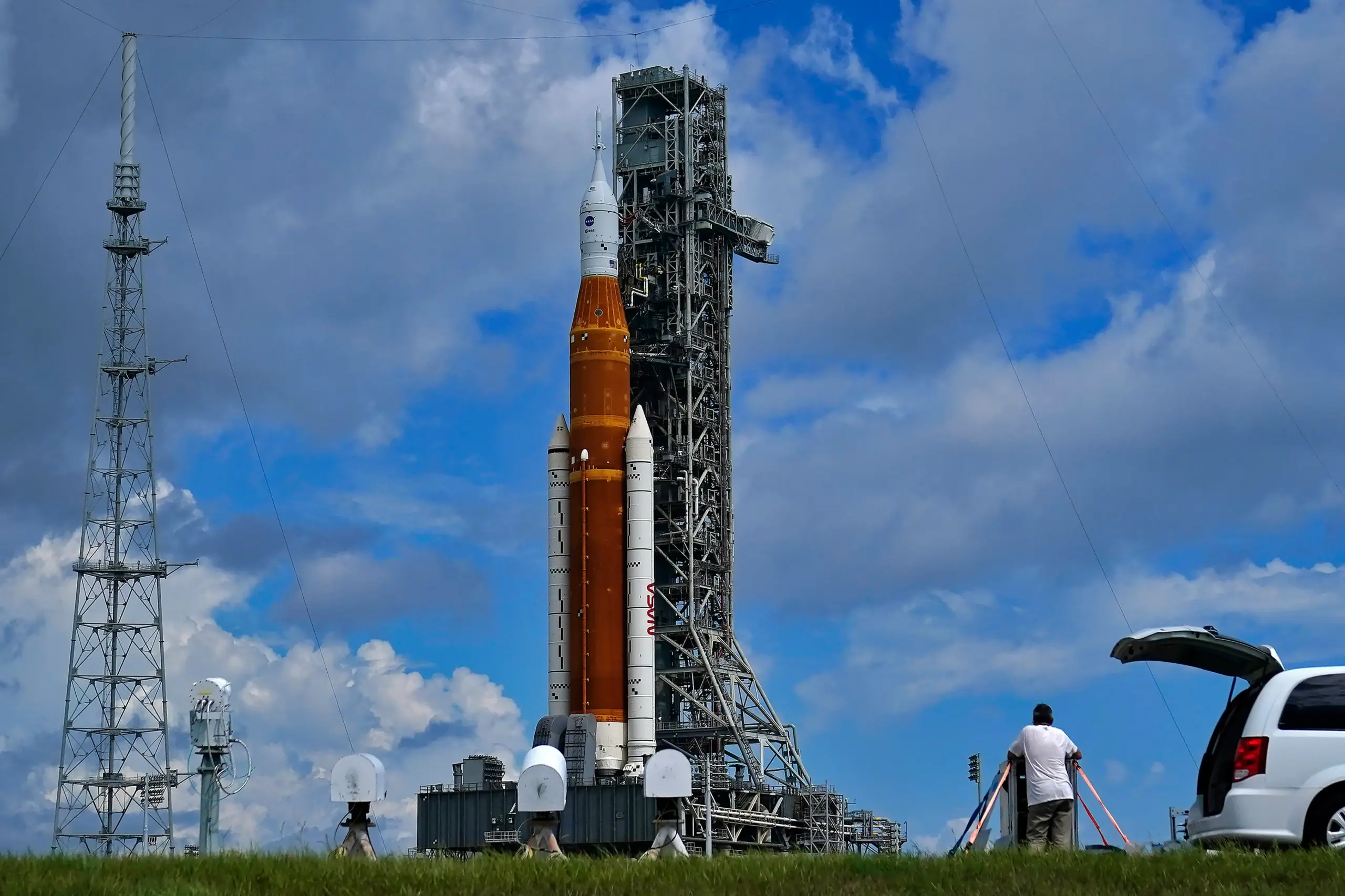
As space exploration continues to advance, the industry must prioritize safety procedures and technologies. Agencies like NASA and private companies such as SpaceX are already preparing for future long-duration missions, including manned missions to Mars. This recent incident will likely expedite discussions about safety regulations and innovations designed to avoid similar issues in the future.
Conclusion
For space enthusiasts and the general public alike, the incident serves as a critical reminder of both the potential and the peril of space exploration. It highlights the importance of ongoing investment in technology and training, ensuring that our astronauts return home safely after every mission. As humanity reaches further into the cosmos, the lessons learned from events like these will shape the trajectory of future exploration.