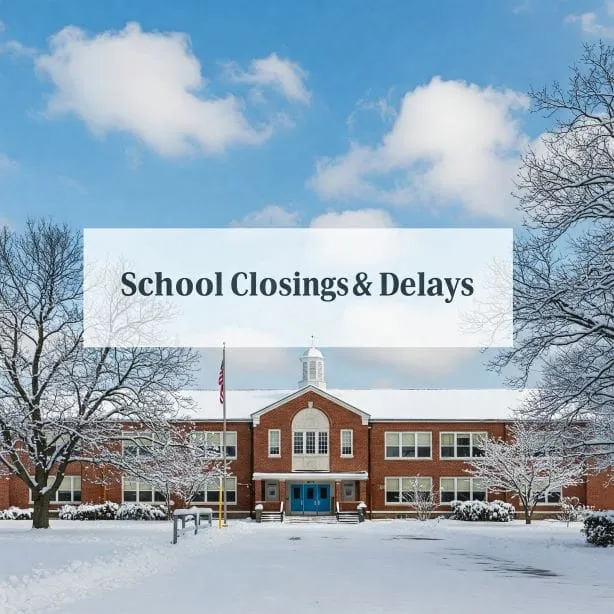
The Importance of School Closures
School closures significantly impact students, families, and communities, highlighting the importance of understanding their implications. Recent trends have shown a rise in school closures due to various factors, including financial constraints, low enrollment, and safety concerns. These trends are particularly relevant in the current educational climate as many stakeholders evaluate the best approaches to provide quality education.
Current Events and Facts
In August 2023, the National Center for Education Statistics reported that nearly 1,000 public schools have closed in the past five years, primarily due to budget cuts and shifting demographics. The report noted that some areas, particularly rural regions, have been disproportionately affected, leading to longer travel times for students and increased strain on local communities. Additionally, several major urban districts have announced plans to consolidate schools, often resulting in community backlash from parents and advocacy groups.
Reasons Behind School Closures
Several key factors contribute to the trend of school closures:
- Financial Constraints: Many districts face budget deficits, leading to difficult decisions about resource allocation.
- Low Enrollment: As populations shift, some schools find themselves with dwindling student bodies, making them financially impractical to run.
- Safety Concerns: In some cases, aging infrastructure and safety issues have prompted closures to protect students and staff.
Community and Student Impact
When schools close, the effects ripple through the community. Families may face longer commutes, increased costs for transportation, and the emotional toll of adjusting to new educational environments. Students often find themselves separated from friends and familiar teachers, which can hinder their academic performance and social development.
Conclusion and Future Outlook
As the educational landscape continues to evolve, the trend of school closures raises important questions about equity, access, and the future of education. Stakeholders must engage in meaningful conversations about how to best serve students in a climate of uncertainty. Forecasts suggest that, unless significant interventions are made, this trend may continue, impacting countless students across the nation. It is crucial for communities and educators to collaborate and address these challenges to ensure that every child has access to quality education.