Introduction
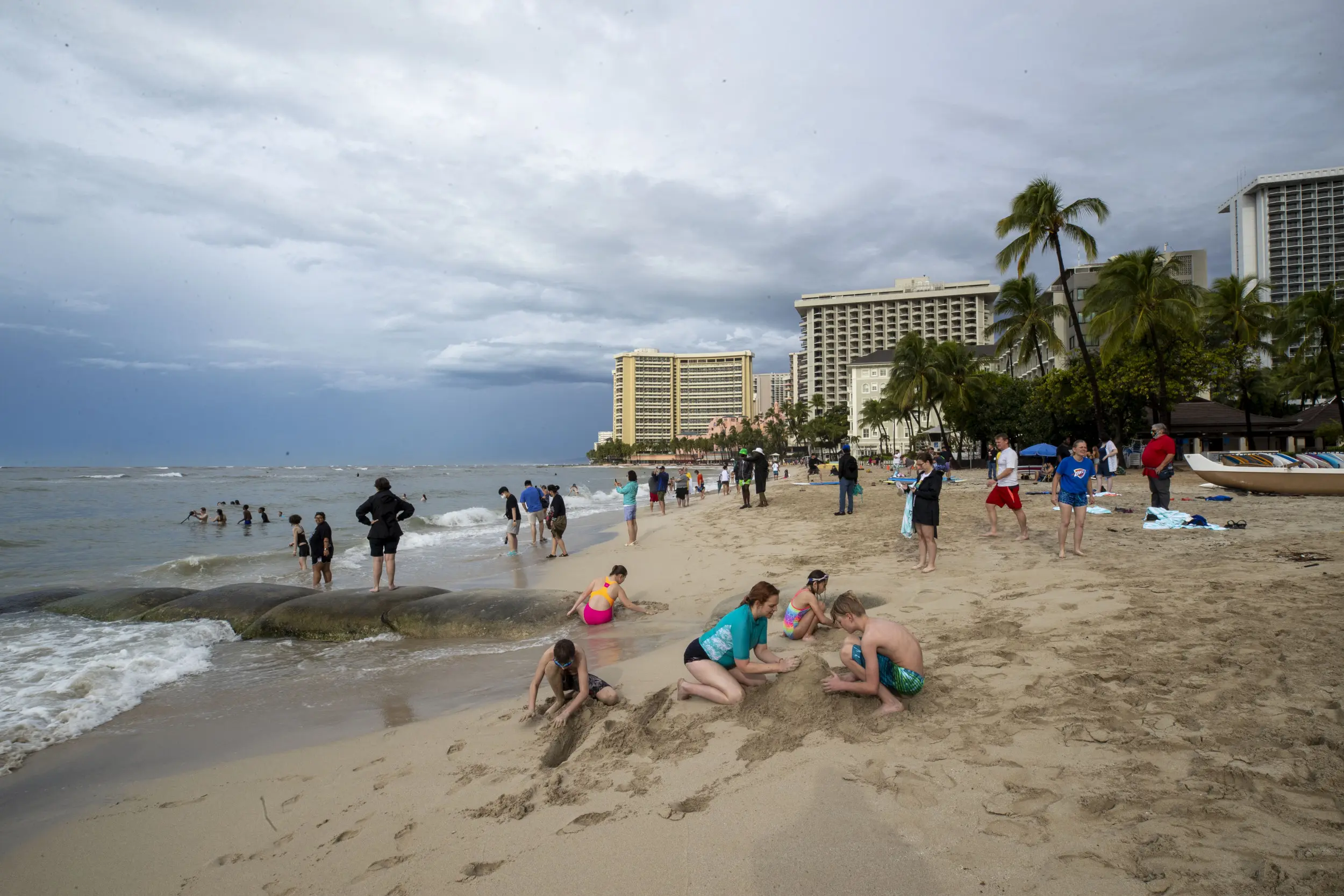
Hawaii, known for its picturesque beaches and vibrant culture, has recently been facing severe weather conditions that have raised concerns among residents and officials alike. The unpredictability of such weather patterns highlights the importance of preparedness and understanding the potential impacts on the islands’ infrastructure and communities.
Recent Severe Weather Events
In recent months, Hawaii has experienced a series of intense storms, including heavy rainfall and powerful winds. In late September 2023, the islands were hit by Tropical Storm Kilo, which brought record-breaking rainfall to parts of Maui and the Big Island. Emergency services reported flash floods that necessitated road closures and evacuation of low-lying areas. According to the National Weather Service, some regions recorded over 15 inches of rain in just 48 hours, making it one of the wettest storms on record for Hawaii.
In addition to rainfall, high winds exceeding 60 miles per hour were reported, causing widespread power outages affecting thousands of residents. Hawaii Electric Light Company stated that restoration efforts were hindered by hazardous conditions, with crews working around-the-clock to restore electricity.
Government Response and Community Preparedness
The state government has activated emergency protocols in response to these severe weather events. The Hawaii Emergency Management Agency has urged residents to stay informed and to have emergency plans in place, especially as forecasts predict more extreme weather patterns in the coming months due to changing climate conditions. Wheelchair accessible shelters have been established, and statewide alerts have been issued through text messaging and social media platforms to keep residents updated.
Community organizations have also stepped in, providing resources and assistance to affected residents. Local food banks have been mobilized to deliver essentials to those in need, and volunteer groups have organized clean-up efforts to help restore homes and businesses impacted by the storms.
Conclusion
The recent severe weather incidents in Hawaii serve as a stark reminder of the islands’ vulnerability to natural disasters. As climate change continues to influence weather patterns globally, residents must remain vigilant and prepared. Ongoing education about severe weather preparedness will be essential to mitigate risks and enhance community resilience. Looking ahead, it is crucial for local governments to invest in infrastructure improvements that can withstand severe weather and ensure the safety of Hawaii’s communities in the face of future storms.