Introduction
As winter approaches, dense fog advisories have become a prevalent topic across various regions in the United States. These advisories are crucial for public safety, particularly for drivers, as dense fog can severely reduce visibility and lead to hazardous conditions on the road. Understanding the nuances of a dense fog advisory is essential for preparing and ensuring safety during low visibility situations.
What is a Dense Fog Advisory?
A dense fog advisory is issued by the National Weather Service (NWS) when visibilities are expected to be less than one-quarter mile due to fog. This phenomenon is especially common in late fall and winter months, when temperature changes can create the perfect conditions for fog development. The advisory alerts individuals to exercise caution, particularly in travel, as driving under these conditions can be significantly dangerous.
Recent Events
During the past week, multiple states, including California and New York, have reported instances of dense fog that led to reduced visibility, causing delays and accidents on various highways. Authorities reported several multi-vehicle pileups in regions where advisories were issued, highlighting the importance of adhering to the warnings. For example, on November 5, 2023, a severe fog bank enveloped the San Francisco Bay Area, leading to numerous accidents as visibility plummeted to nearly zero in some locations.
Safety Tips During a Dense Fog Advisory
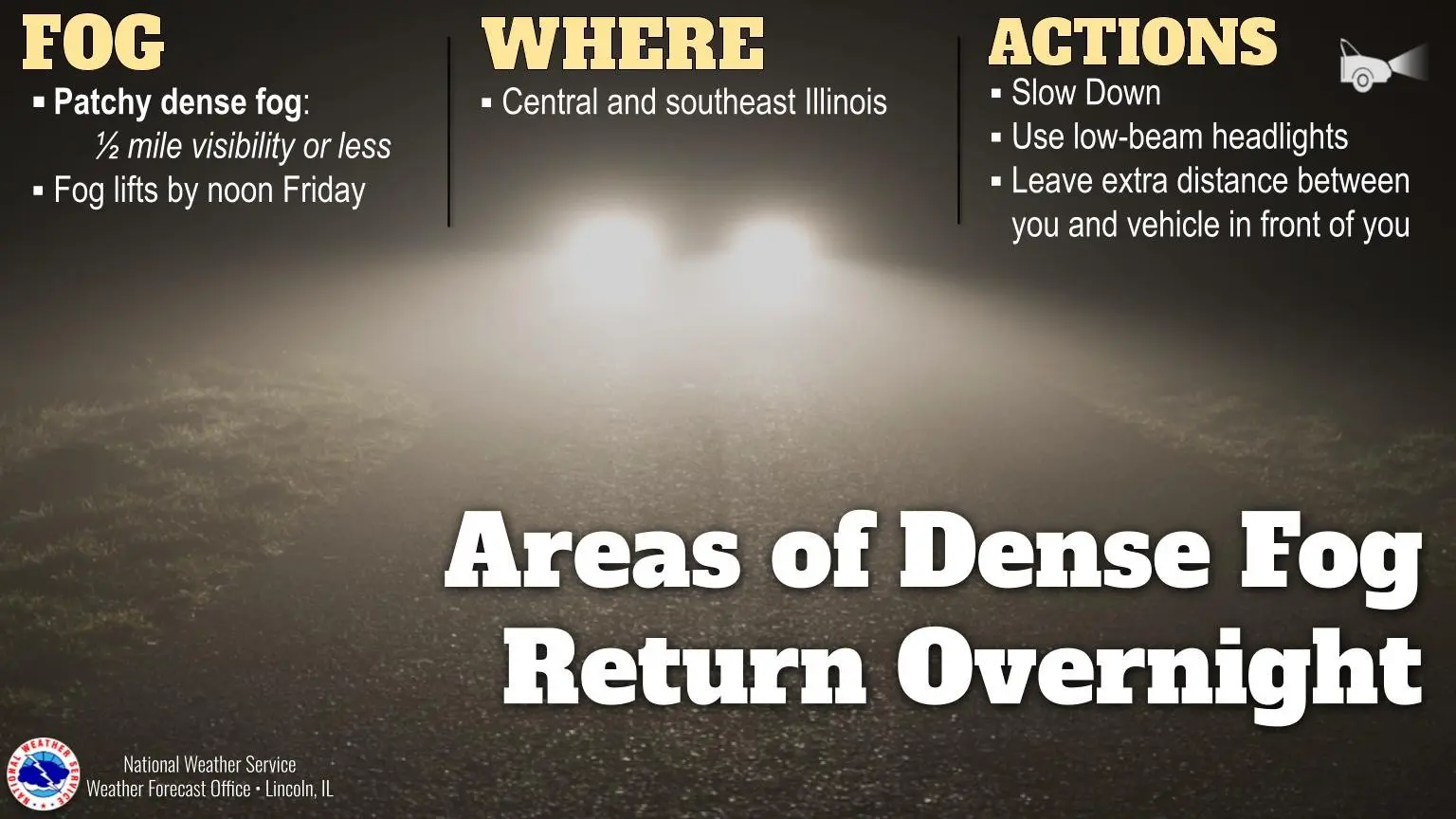
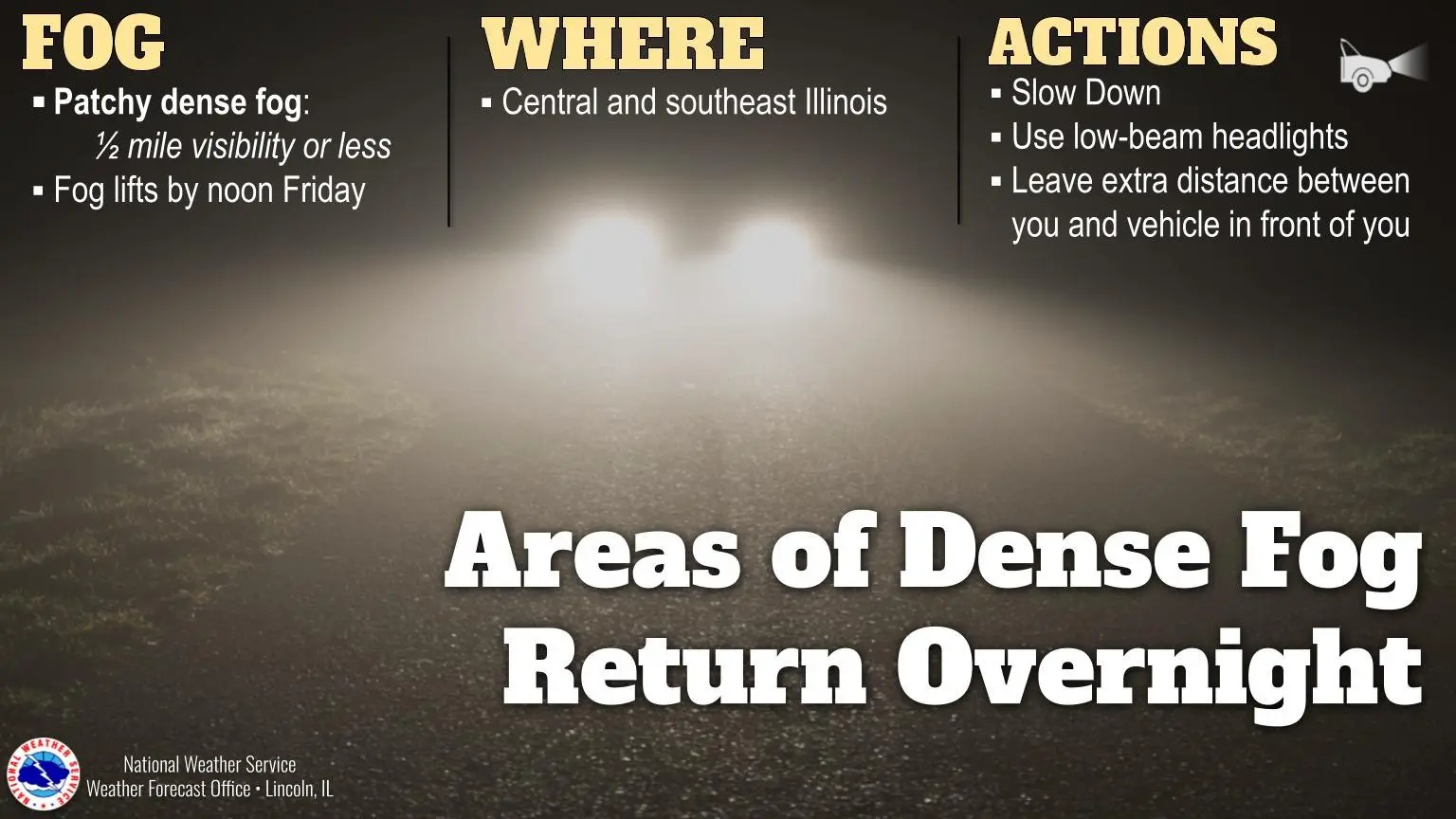
To mitigate risks during a dense fog advisory, officials recommend several safety precautions for drivers:
- Reduce Speed: Slowing down allows drivers to react more effectively to sudden changes in traffic conditions.
- Use Low Beams: High beams can reflect off the fog, further reducing visibility. Low beams are more effective in these conditions.
- Increase Following Distance: A greater distance between vehicles gives drivers more reaction time.
- Stay Informed: Check local weather updates and advisories regularly.
Conclusion
As the season progresses, staying vigilant and informed about dense fog advisories is paramount for public safety. With the potential for dangerous conditions on the road, drivers should take these warnings seriously. Forecasts suggest that fog conditions may persist in the upcoming weeks, urging individuals to stay alert and prepared. By following recommended safety tips, travelers can minimize risks and navigate through foggy conditions more safely.