The Importance of Understanding Measles Symptoms
Measles, a highly contagious viral infection, is resurfacing as a significant public health concern worldwide. With the ongoing global vaccination challenges, understanding the symptoms of measles is crucial for timely diagnosis, preventing outbreaks, and safeguarding public health.
What are Measles Symptoms?
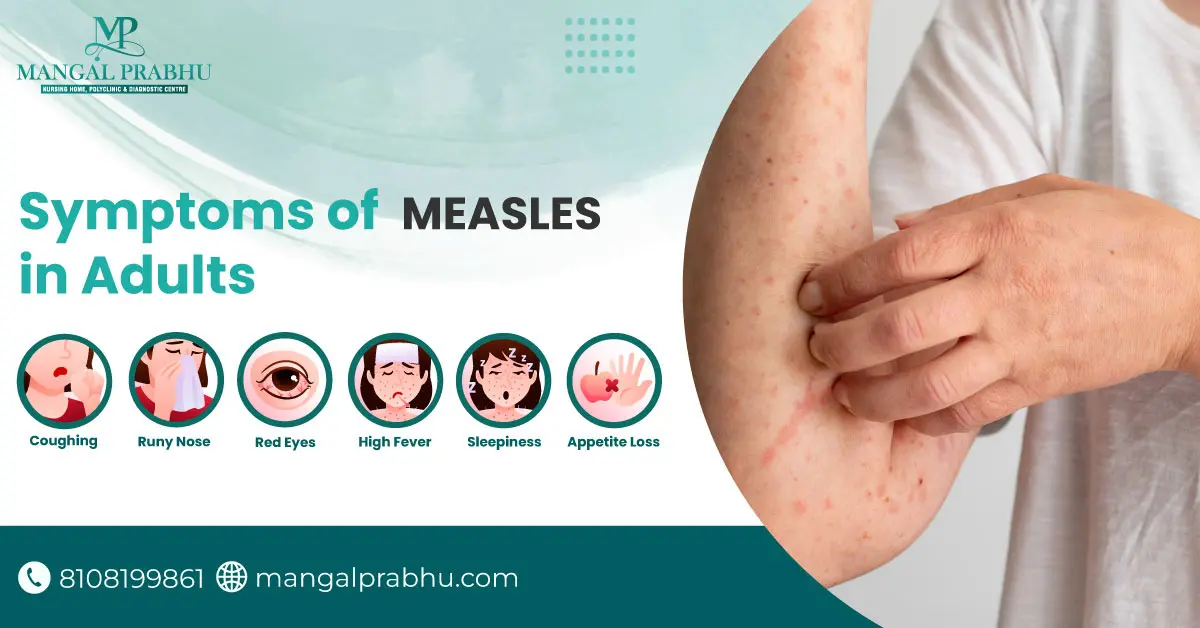
Measles symptoms typically appear 10 to 14 days after exposure to the virus. The initial symptoms often mimic those of a common cold, which may delay the diagnosis and treatment of the illness. Key symptoms include:
- High Fever: One of the earliest signs is a high fever that can reach up to 104°F (40°C).
- Cough: A persistent dry cough that may worsen over time.
- Runny Nose: Nasal congestion accompanied by a runny nose.
- Red Eyes: Conjunctivitis or red eyes occurs frequently alongside other symptoms.
- Rash: A distinctive rash typically appears 3 to 5 days after the onset of the initial symptoms. The rash usually starts on the face and spreads downward.
- Koplik Spots: Small white spots with a bluish-white center may appear inside the mouth, often considered an early indicator of measles.
Current Events Surrounding Measles
According to the World Health Organization (WHO), there has been a noticeable increase in measles cases globally, particularly in areas with low vaccination rates. The Centers for Disease Control and Prevention (CDC) has reported several recent outbreaks in the United States, driven largely by misinformation regarding vaccine safety. Instances of measles can lead to severe complications, including pneumonia, encephalitis, and can even be fatal in some cases.
Conclusion and Call to Action
Recognizing measles symptoms is vital for parents and caregivers, especially as outbreaks occur in unvaccinated populations. Vaccination remains the best preventive measure against measles, with the MMR (measles, mumps, and rubella) vaccine recommended for children. Public health initiatives need to focus on improving awareness about the symptoms and dangers of measles while combating vaccine hesitancy. By understanding and responding to the signs of measles promptly, communities can work towards preventing outbreaks and ensuring a healthier future for all.