Introduction
Measles, a highly contagious viral disease, has seen a resurgence in some areas due to declining vaccination rates. Understanding the symptoms of measles is crucial, not only for timely diagnosis and treatment but also for preventing further outbreaks. This article aims to provide vital information about measles symptoms, their significance, and the importance of vaccination.
Key Symptoms of Measles
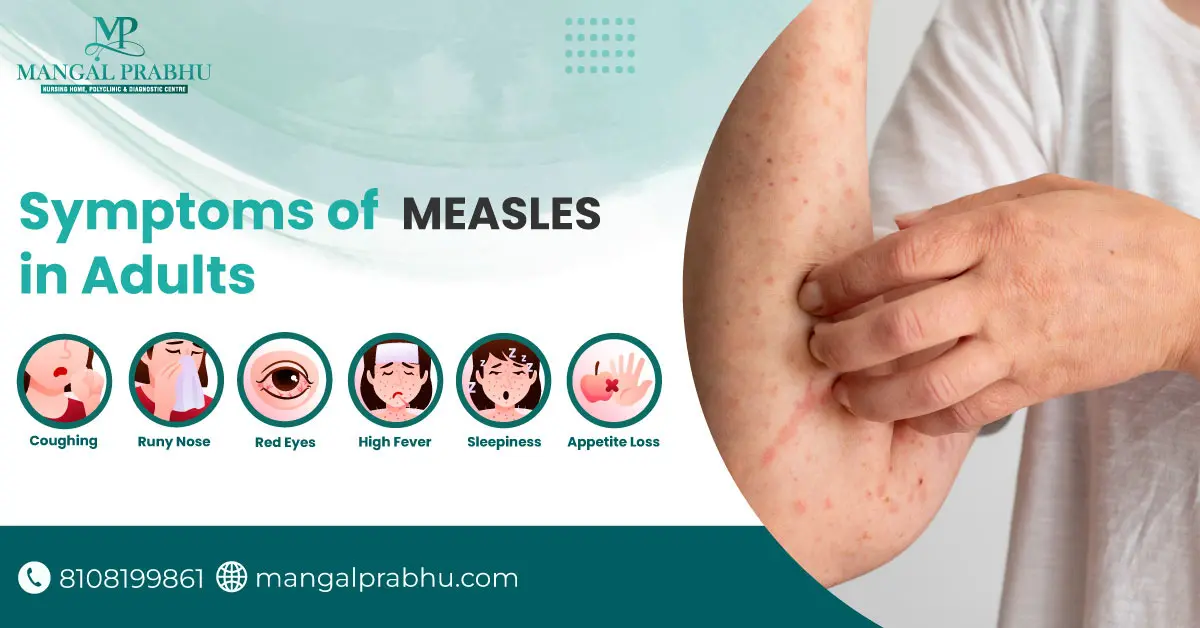
The symptoms of measles typically appear about 10 to 14 days after exposure to the virus and occur in stages. Initially, individuals may experience:
- High Fever: Starting around 104°F (40°C) and lasting several days.
- Cough: A dry, persistent cough is common.
- Runny Nose: Nasal congestion often accompanies the cough.
- Red Eyes: Photophobia or sensitivity to light may occur, alongside redness and swelling.
After a few days, a characteristic rash typically develops. This rash:
- Begins with small red spots on the face and hairline,
- Spreads rapidly to the trunk and limbs,
- Usually lasts for about a week.
Complications and Risks
Measles can result in serious complications, especially in young children and individuals with weakened immune systems. Complications may include:
- Ear infections
- Pneumonia
- Encephalitis (brain inflammation)
The risk of severe outcomes highlights the importance of recognizing symptoms early and seeking medical advice for suspected cases.
Vaccination and Prevention
The measles vaccine, often administered in combination with mumps and rubella (MMR), is effective in preventing the disease. According to the Centers for Disease Control and Prevention (CDC), high vaccination coverage in communities is critical for herd immunity, protecting those who cannot be vaccinated due to medical reasons.
Conclusion
Measles symptoms are significant indicators of a contagious and potentially severe disease. Recognizing these symptoms early can lead to effective management and help prevent outbreaks. Vaccination remains the best defense against measles, emphasizing the importance of maintaining high vaccination rates across all communities for public health safety.