Introduction
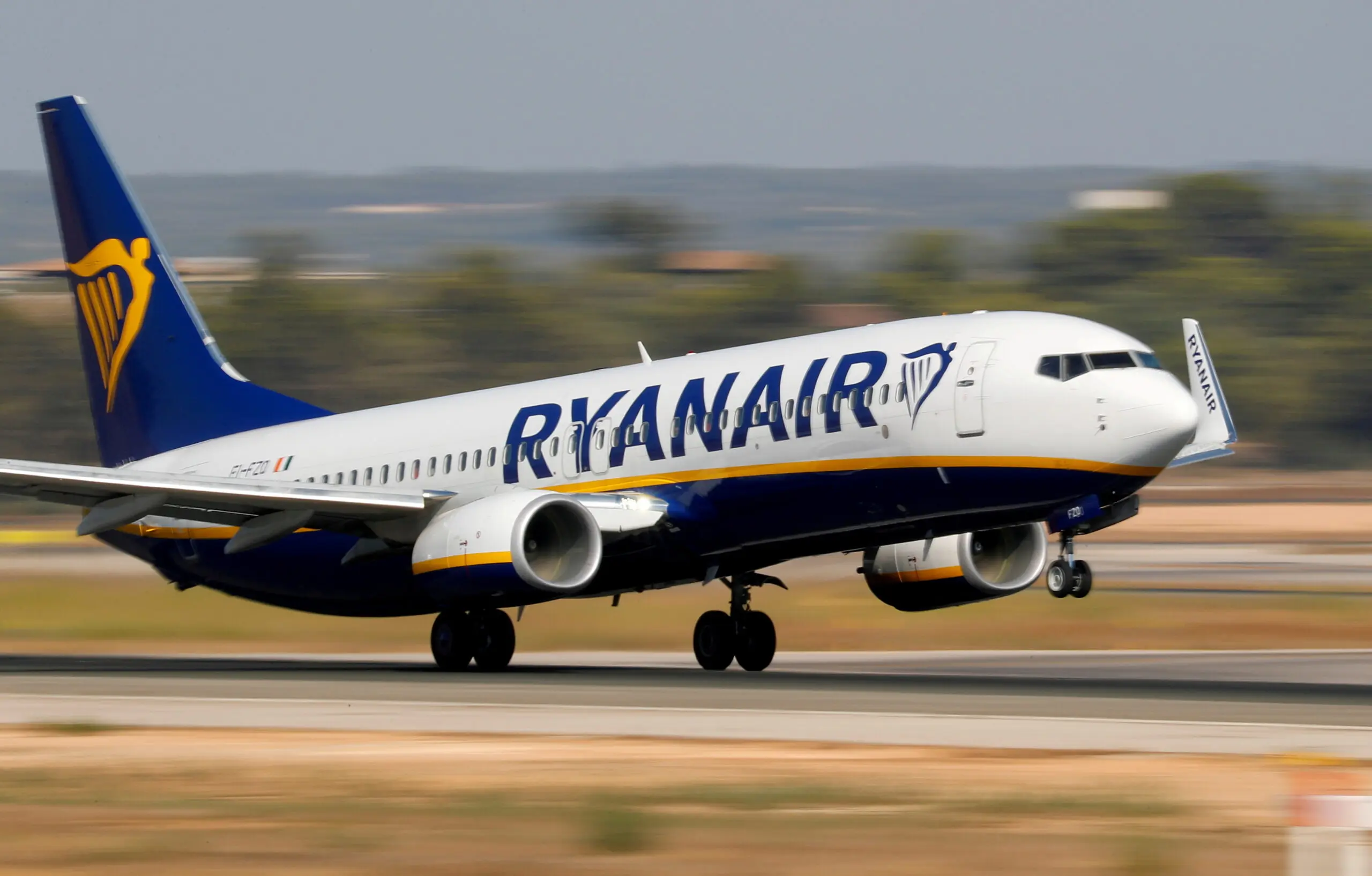
Ryanair has become synonymous with low-cost air travel in Europe, offering budget-friendly flight options that have transformed how millions of people travel. With the rise of concerns over airline affordability, Ryanair’s business model has become increasingly relevant as travelers seek economical ways to reach their destinations. As the airline industry continues to recover from the pandemic’s effects, understanding Ryanair’s strategies and impacts is crucial for consumers and industry observers alike.
Growth and Market Position
Founded in 1984, Ryanair has grown to become Europe’s largest airline by passenger numbers, reporting over 154 million travelers in 2019 before the pandemic hit. As of 2023, the airline has made a robust recovery, posting increased passenger numbers and expansion into new markets, along with a net profit of €1 billion in the fiscal year. The challenges of COVID-19 have prompted Ryanair to innovate, streamline operations, and introduce new routes catering to travel demand.
Current Strategies and Innovations
In response to shifting consumer preferences, Ryanair has embraced several strategies. These include enhancing digital services, increasing flight frequencies, and implementing contactless check-ins to ensure passenger safety. Additionally, Ryanair is focusing on sustainability, committing to a 10% reduction in CO2 emissions per passenger by 2030, further appealing to environmentally conscious travelers. With many travelers prioritizing budget and safety, Ryanair is well-positioned to capitalize on these trends.
Challenges Ahead
Despite its successes, Ryanair faces challenges such as rising fuel costs, industry competition, and fluctuating demand due to economic factors. The airline’s business model, while effective, relies on maintaining low operating costs, which may come under pressure in managing wages and service expectations. The surge in oil prices and labor disputes threaten to impact future profitability and route planning.
Conclusion
Ryanair’s approach to low-cost travel has ignited a shift in the airline industry, making air travel accessible to millions. As the airline charts its future in a post-pandemic world, it remains to be seen how it will navigate economic challenges and maintain its position in a competitive market. For travelers, Ryanair’s ever-evolving strategies and offers signify more affordable options ahead. As the airline industry continues to adapt, Ryanair’s role will remain pivotal in shaping travel habits and opportunities for budget-conscious flyers.