Introduction
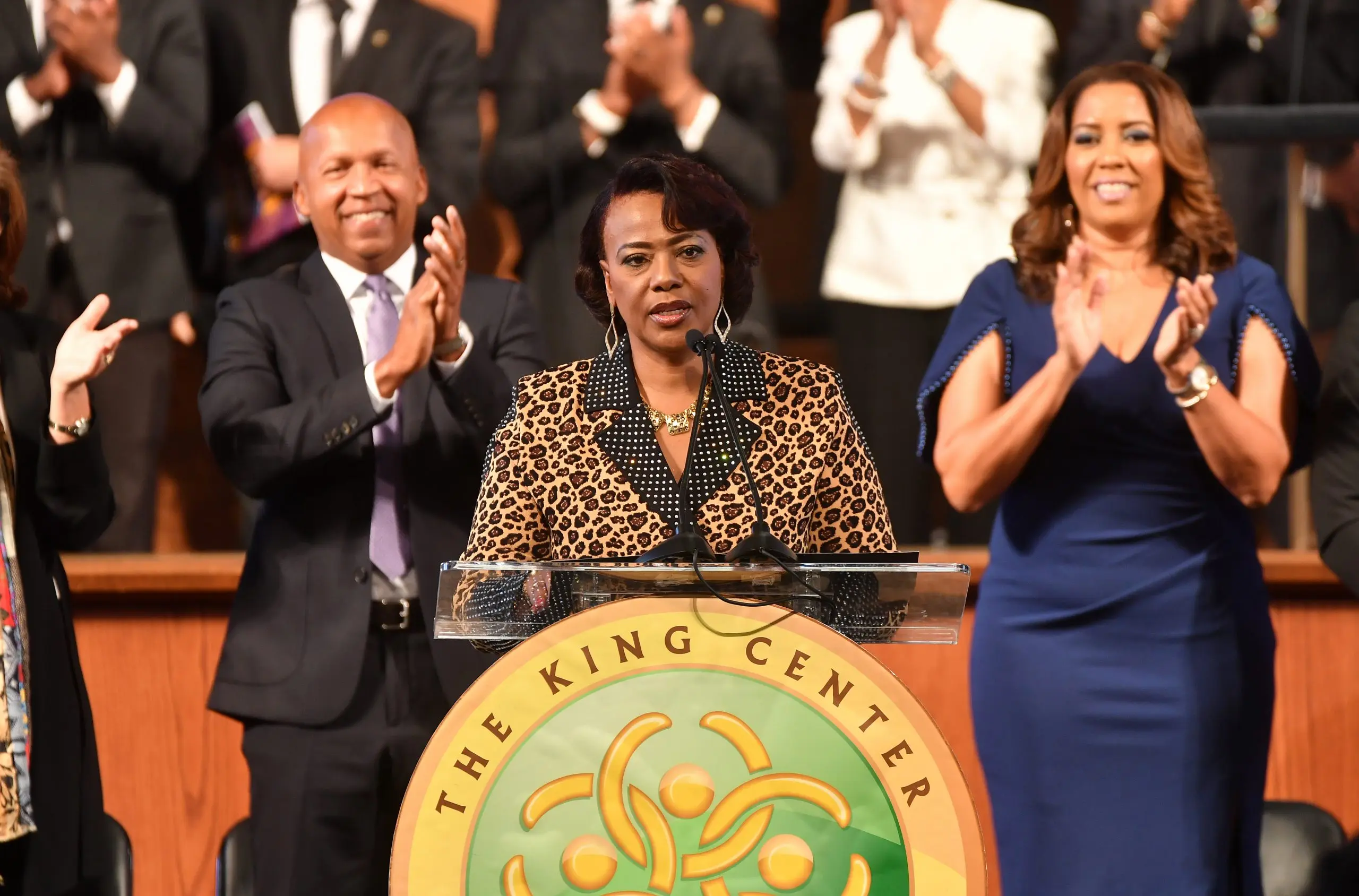
Bernice King, the youngest daughter of Dr. Martin Luther King Jr. and Coretta Scott King, has emerged as a formidable leader in the fight for civil rights and social justice. Her work not only honors her father’s legacy but also addresses contemporary issues affecting marginalized communities today. As the CEO of the King Center in Atlanta, Bernice is dedicated to keeping the dream of equality alive, making her contributions crucial in times of ongoing racial unrest and social inequality.
Continuing the Dream
In her role at the King Center, Bernice King has pioneered various initiatives designed to cultivate non-violence and social justice principles. She has been at the forefront of campaigns against police brutality and systemic racism, amplifying the conversation around these pressing issues through social media platforms and public speaking engagements. Her leadership during events such as the annual Martin Luther King Jr. Day celebrations further cements her role as a key figure in civil rights advocacy.
Recent Activism
This year, Bernice King has spearheaded discussions on the significance of voting rights, especially in light of recent legislative measures perceived as restrictive. In several interviews and public forums, she has linked the past struggles for voting rights during the civil rights movement with today’s challenges, emphasizing that the fight for equality is ongoing. Additionally, her participation in protests and dialogues surrounding issues like climate change also highlights the interconnectedness of various social justice movements.
Honoring Her Father’s Legacy
Bernice King’s commitment to non-violence is not merely a homage to her father’s legacy but also a call to action for new generations. This is evident in her outreach efforts aimed at educating youth about Martin Luther King Jr.’s philosophies, encouraging them to engage in community service and activism. By doing so, Bernice ensures that the principles of love, justice, and equality live on in the hearts and minds of the youth.
Conclusion
As Bernice King continues her vital work in civil rights and social justice, her influence remains profound. Whether advocating for voting rights or addressing systemic racism, her efforts remind us that the fight for equity is far from over. Her voice serves as both a challenge and an inspiration for current and future generations, reinforcing that every individual has a role to play in achieving the dream of equality espoused by her father. Readers should keep an eye on her upcoming projects, as they promise to further invigorate the civil rights movement in today’s context.