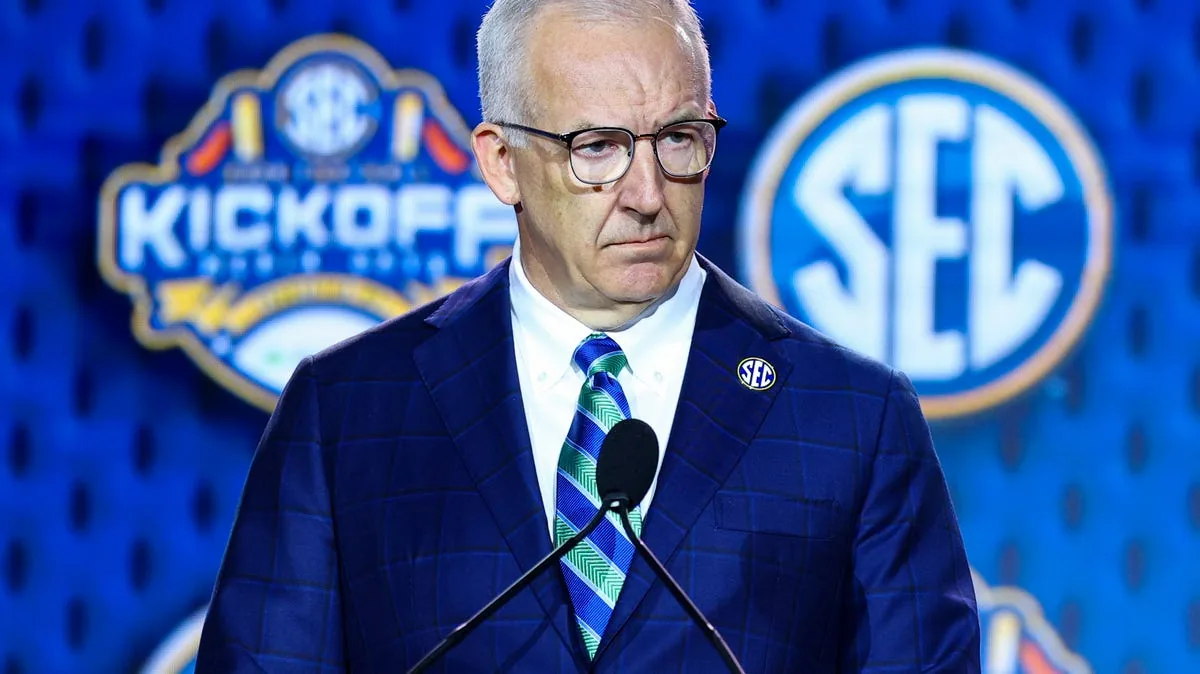
Greg Sankey, the commissioner of the Southeastern Conference (SEC), reiterated that discussions about the conference potentially breaking away from the National Collegiate Athletic Association (NCAA) are a real possibility. He emphasized that this is not a tactic for leverage but rather a reflection of significant frustration within the conference regarding current national rules and their enforcement.
The concept of the SEC operating independently, which could involve establishing its own rules and even organizing its own playoff, has been a topic of discussion within the conference for some time. These conversations gained prominence during the SEC spring meetings in late May. While Sankey did not initially address the matter in his opening remarks at the start of SEC football media days, he directly confirmed the reality of the breakaway discussions when questioned.
Frustrations with National Rules and Enforcement
Sankey highlighted that much of the frustration stems from how national rules, particularly those concerning tampering, the House v. NCAA settlement, and player eligibility, are currently enforced. There is a growing sentiment that the SEC might benefit from adopting its own regulations and potentially competing exclusively among its member institutions. Disagreements over the future structure of the College Football Playoff also contribute to these frustrations.
Despite these concerns, Sankey affirmed the conference’s preference for national competition. He expressed pride in the SEC’s achievement of 13 national championships across various NCAA sports in the past academic year. He stressed that while there is inherent value in participating in a national organization, that organization must function effectively to prevent continued discontent.
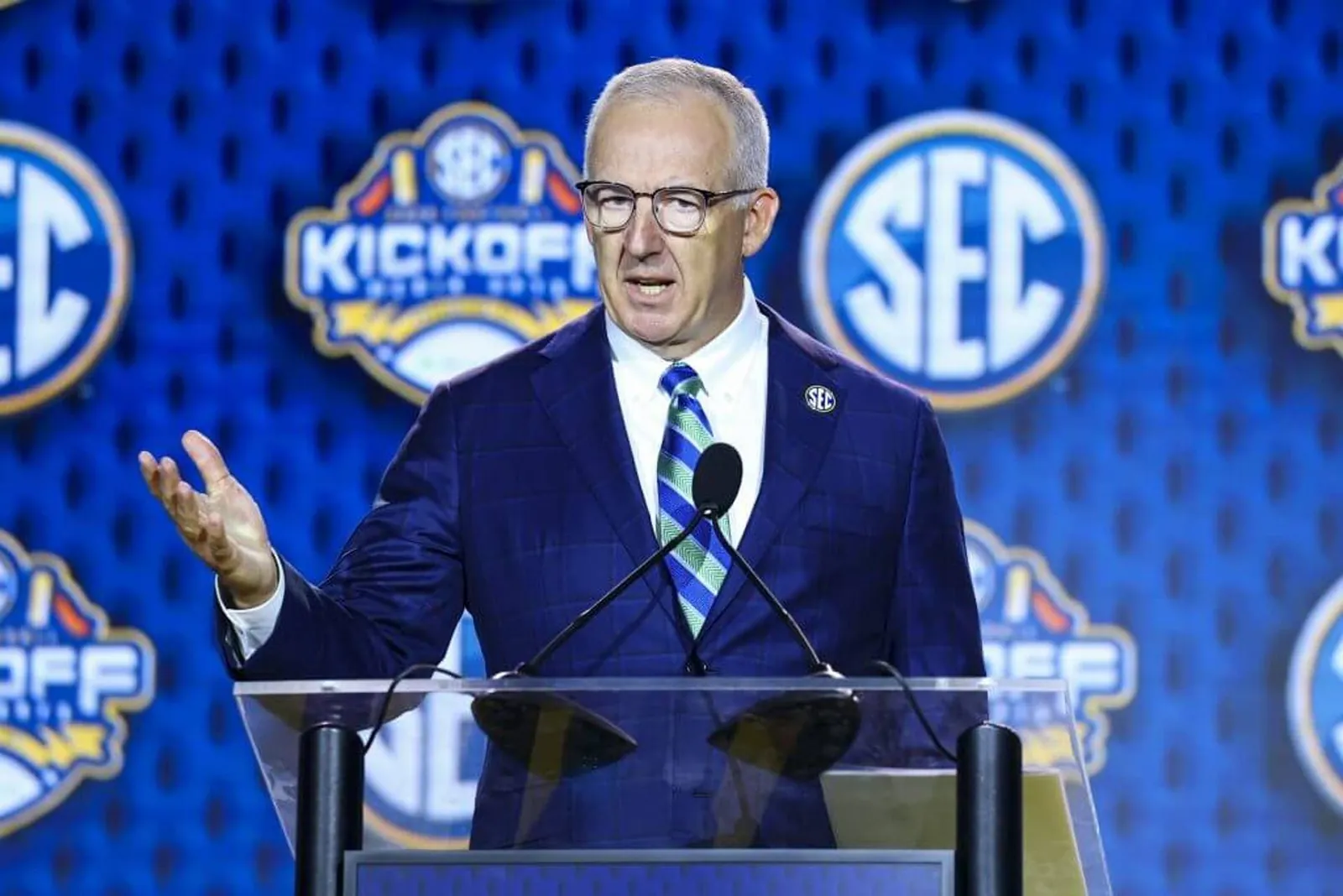
The commissioner also indicated that federal legislation remains a necessary step for college sports as a whole, and the SEC is committed to seeing a bill through to completion. The conference is advocating for four key changes to the proposed Protect College Sports Act: legal protections, clear national standards, transparency and accountability in name, image, and likeness (NIL) rules, and fair and consistent standards for conferences that also respect institutional autonomy.
Legislative Efforts and Playoff Expansion
One provision under consideration, though not directly mentioned by Sankey, reportedly aims to cap conference realignment at the Power 4 level. Reports suggest a revision could limit SEC and Big Ten membership to 19 teams. Sankey noted that certain aspects of the bill related to conference realignment and media rights are critically important to the SEC.
He underscored the importance of getting this legislation correct, stating that there is only one opportunity to do so. Sankey believes that if Congress passes a bill and it becomes law, there will not be a chance to revisit Washington D.C. in the near future to address any shortcomings. Therefore, he emphasized the need to address common-sense areas before the bill is enacted.
Regarding College Football Playoff expansion, Sankey’s position remains largely consistent. He continues to emphasize the need for leaders to acknowledge fan and broadcaster interest in a 24-team bracket, as well as the potential impact on the regular season. He also raised questions about the possibility of CFP games overlapping and the academic and physical implications of further changes to the calendar.
Sankey questioned the actual interest from fans and media entities in an expanded playoff and highlighted the importance of respecting the academic calendar and student-athlete well-being. He noted that these questions were addressed during the consideration process when the playoff expanded from four to 12 teams.
The future of conference championship games is also part of this ongoing discussion. Sankey confirmed that the league will hold its championship game this season and has existing contracts and plans extending beyond that. However, he also indicated that the conference has time to consider adjustments if the CFP format undergoes further changes.
Both the SEC and the Big Ten reportedly oppose the current version of the Save College Sports Act, partly due to concerns over revenue sharing and limitations on expansion. Sankey’s comments reflect a high level of frustration that could lead to a defining moment for the future of college sports.
Read Also
Source: nytimes.com